
Same Day or Next Day Appointments Available
Se Habla Español

Blog

Female Footwear and Effects on the Feet

Traditionally female footwear, such as high heels, pointed-toe shoes, and narrow-fitting flats, can have harmful effects on the feet. High heels shift body weight onto the front of the foot, leading to pressure on the toes and the ball of the foot, which can cause conditions like bunions, hammertoes, and metatarsalgia. Pointed-toe shoes squeeze the toes, causing misalignment and painful deformities. Flats without proper arch support can lead to conditions like plantar fasciitis or tendonitis. Over time, these shoes can also contribute to poor posture, back pain, and joint issues due to improper weight distribution. To promote foot health, choose footwear with a wide toe box, cushioning, and arch support. Low-heeled or flat shoes with proper support can prevent pain and foot damage. If foot pain persists or worsens, it is suggested that you visit a podiatrist who can assess the issue and recommend suitable treatments or custom orthotics.

High heels have a history of causing foot and ankle problems. If you have any concerns about your feet or ankles, contact Jed Wells, DPM from Jed Wells, DPM Foot Specialist. Our doctor can provide the care you need to keep you pain-free and on your feet.

Effects of High Heels on the Feet

High heels are popular shoes among women because of their many styles and societal appeal.  Despite this, high heels can still cause many health problems if worn too frequently.

Which Parts of My Body Will Be Affected by High Heels?

  • Ankle Joints
  • Achilles Tendon – May shorten and stiffen with prolonged wear
  • Balls of the Feet
  • Knees – Heels cause the knees to bend constantly, creating stress on them
  • Back – They decrease the spine’s ability to absorb shock, which may lead to back pain.  The vertebrae of the lower back may compress.

What Kinds of Foot Problems Can Develop from Wearing High Heels?

  • Corns
  • Calluses
  • Hammertoe
  • Bunions
  • Morton’s Neuroma
  • Plantar Fasciitis

How Can I Still Wear High Heels and Maintain Foot Health?

If you want to wear high heeled shoes, make sure that you are not wearing them every day, as this will help prevent long term physical problems.  Try wearing thicker heels as opposed to stilettos to distribute weight more evenly across the feet.  Always make sure you are wearing the proper shoes for the right occasion, such as sneakers for exercising.  If you walk to work, try carrying your heels with you and changing into them once you arrive at work.  Adding inserts to your heels can help cushion your feet and absorb shock. Full foot inserts or metatarsal pads are available. 

If you have any questions, please feel free to contact our office located in Corpus Christi, TX . We offer the newest diagnostic and treatment technologies for all your foot care needs.
Read more about Effect of High Heels on the Feet

Types of Achilles Tendon Bursitis

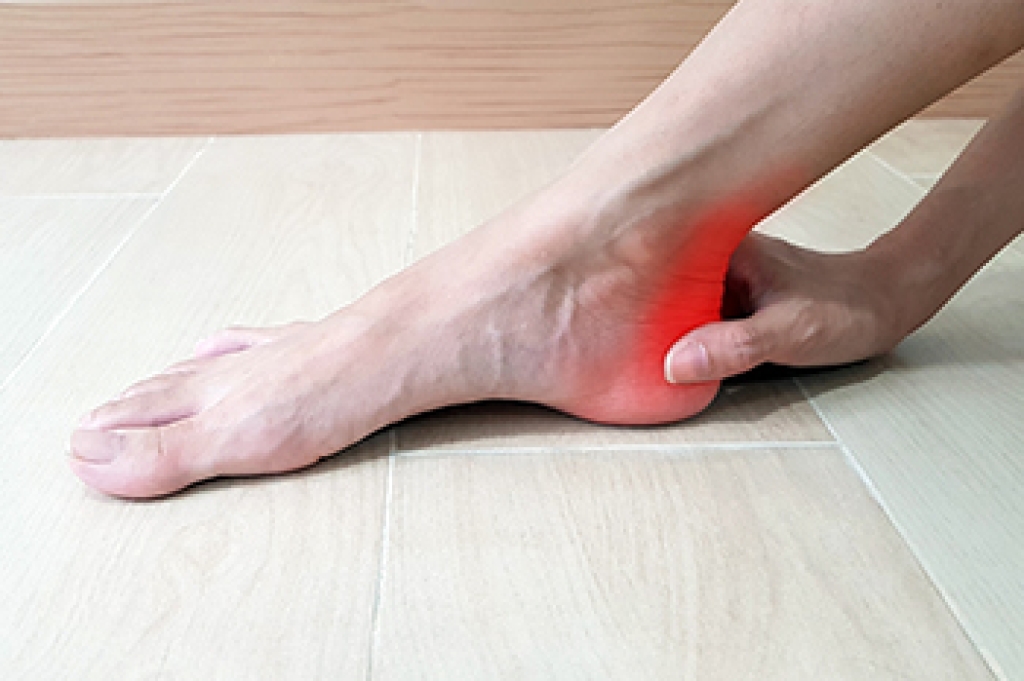
Achilles tendon bursitis occurs when a fluid-filled sac, called a bursa, becomes inflamed around the Achilles tendon. This inflammation can occur behind the tendon, known as posterior Achilles tendon bursitis, or in front of it, known as anterior Achilles tendon bursitis. Achilles tendon bursitis is often triggered by pressure on the back of the heel, such as from wearing poorly fitting shoes or abnormal foot movement. Symptoms typically include pain, swelling, and warmth at the back of the heel, making walking painful. Conditions like rheumatoid arthritis or heel injuries can also contribute to the development of bursitis in this area. A podiatrist can offer treatments like adjusting footwear or recommending custom orthotics, depending on the underlying cause. In some cases, surgery may be an option if other treatment fails to relieve the inflammation. If you are experiencing heel pain surrounding the Achilles tendon, it is suggested that you schedule an appointment with a podiatrist for a diagnosis and treatment.

Achilles tendon injuries need immediate attention to avoid future complications. If you have any concerns, contact Jed Wells, DPM of Jed Wells, DPM Foot Specialist. Our doctor can provide the care you need to keep you pain-free and on your feet.

What Is the Achilles Tendon?

The Achilles tendon is a tendon that connects the lower leg muscles and calf to the heel of the foot. It is the strongest tendon in the human body and is essential for making movement possible. Because this tendon is such an integral part of the body, any injuries to it can create immense difficulties and should immediately be presented to a doctor.

What Are the Symptoms of an Achilles Tendon Injury?

There are various types of injuries that can affect the Achilles tendon. The two most common injuries are Achilles tendinitis and ruptures of the tendon.

Achilles Tendinitis Symptoms

  • Inflammation
  • Dull to severe pain
  • Increased blood flow to the tendon
  • Thickening of the tendon

Rupture Symptoms

  • Extreme pain and swelling in the foot
  • Total immobility

Treatment and Prevention

Achilles tendon injuries are diagnosed by a thorough physical evaluation, which can include an MRI. Treatment involves rest, physical therapy, and in some cases, surgery. However, various preventative measures can be taken to avoid these injuries, such as:

  • Thorough stretching of the tendon before and after exercise
  • Strengthening exercises like calf raises, squats, leg curls, leg extensions, leg raises, lunges, and leg presses

If you have any questions please feel free to contact our office located in Corpus Christi, TX . We offer the newest diagnostic tools and technology to treat your foot and ankle needs.

Read more about What are Achilles Tendon Injuries

Definition and Signs of a Bunion

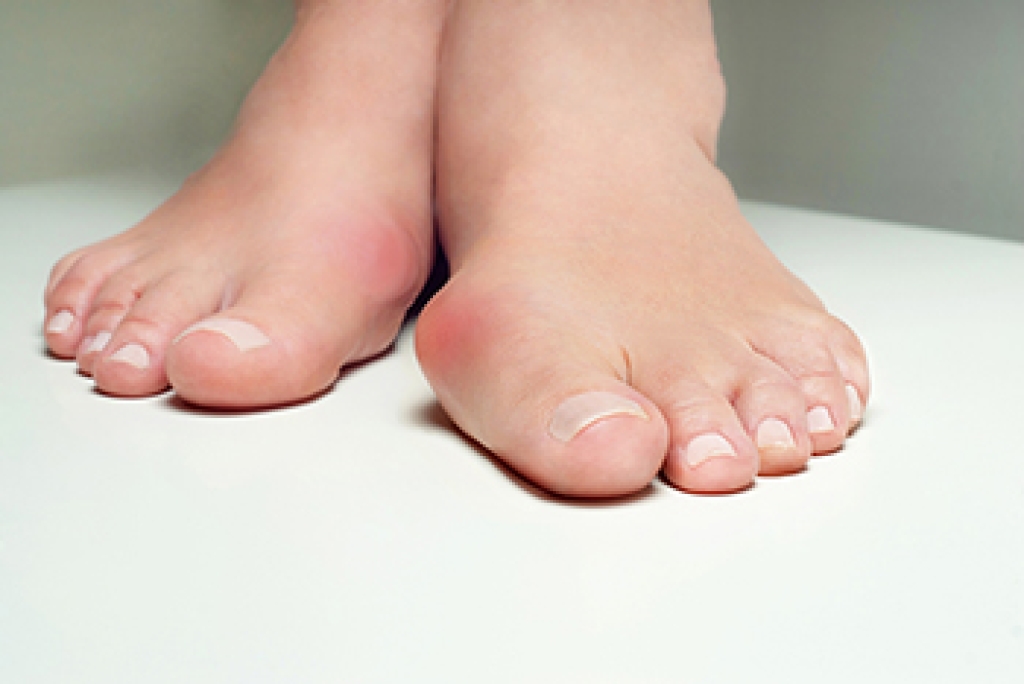
Bunions are bony protrusions that develop at the base of the big toe, where the toe meets the foot. This condition occurs when the big toe angles towards the second toe, causing a misalignment. Over time, this misalignment can lead to swelling, pain, and a noticeable bump on the outside of the foot. The skin over the bunion may become red and irritated due to friction from footwear. Bunions can also cause difficulty in finding comfortable shoes and may lead to issues with walking or standing for extended periods. Common reasons that bunions develop include genetics or from wearing shoes that are too tight. If you notice signs of a bunion forming, it is suggested that you consult a podiatrist who can offer you treatment solutions.

If you are suffering from bunion pain, contact Jed Wells, DPM of Jed Wells, DPM Foot Specialist. Our doctor can provide the care you need to keep you pain-free and on your feet.

What Is a Bunion?

Bunions are painful bony bumps that usually develop on the inside of the foot at the joint of the big toe. As the deformity increases over time, it may become painful to walk and wear shoes. Women are more likely to exacerbate existing bunions since they often wear tight, narrow shoes that shift their toes together. Bunion pain can be relieved by wearing wider shoes with enough room for the toes.

Causes

  • Genetics – some people inherit feet that are more prone to bunion development
  • Inflammatory Conditions - rheumatoid arthritis and polio may cause bunion development

Symptoms

  • Redness and inflammation
  • Pain and tenderness
  • Callus or corns on the bump
  • Restricted motion in the big toe

In order to diagnose your bunion, your podiatrist may ask about your medical history, symptoms, and general health. Your doctor might also order an x-ray to take a closer look at your feet. Nonsurgical treatment options include orthotics, padding, icing, changes in footwear, and medication. If nonsurgical treatments don’t alleviate your bunion pain, surgery may be necessary.

If you have any questions, please feel free to contact our office located in Corpus Christi, TX . We offer the newest diagnostic and treatment technologies for all your foot care needs.
Read more about Bunions

Facts About Ankle Fractures

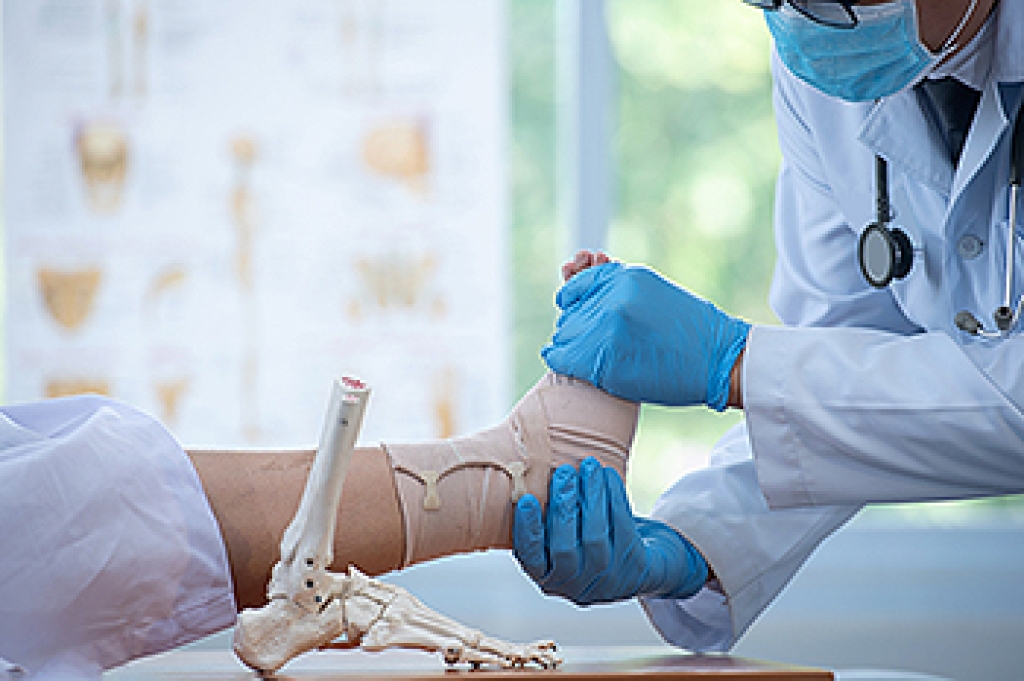
Ankle fractures occur when one or more of the bones in the ankle are broken, typically involving the tibia, fibula, and talus. The tibia and fibula are the main weight-bearing bones of the lower leg, while the talus sits between them and the heel bone, forming the ankle joint. Causes of broken ankles include trauma from falls, sports injuries, or accidents, as well as severe twisting or rolling of the ankle. Symptoms include sharp pain, significant swelling, bruising, and difficulty in bearing weight. The ankle may appear deformed or misaligned. Prompt medical evaluation is essential for proper diagnosis and treatment, which may involve immobilization, casting, or surgery depending on the severity of the fracture. If you have sustained an ankle fracture, it is suggested that you consult a podiatrist.

Broken ankles need immediate treatment. If you are seeking treatment, contact Jed Wells, DPM from Jed Wells, DPM Foot Specialist. Our doctor can provide the care you need to keep you pain-free and on your feet. 

Broken Ankles
A broken ankle is experienced when a person fractures their tibia or fibula in the lower leg and ankle area. Both of these bones are attached at the bottom of the leg and combine to form what we know to be our ankle.

When a physician is referring to a break of the ankle, he or she is usually referring to a break in the area where the tibia and fibula are joined to create our ankle joint. Ankles are more prone to fractures because the ankle is an area that suffers a lot of pressure and stress. There are some obvious signs when a person experiences a fractured ankle, and the following symptoms may be present.

Symptoms of a Fractured Ankle

  • Excessive pain when the area is touched or when any pressure is placed on the ankle
  • Swelling around the area
  • Bruising of the area
  • Area appears to be deformed

If you suspect an ankle fracture, it is recommended to seek treatment as soon as possible. The sooner you have your podiatrist diagnose the fracture, the quicker you’ll be on the way towards recovery.

If you have any questions, please feel free to contact our office located in Corpus Christi, TX . We offer the newest diagnostic and treatment technologies for all your foot care needs.
Read more about All About Broken Ankles

Understanding Diabetic Foot Ulcers

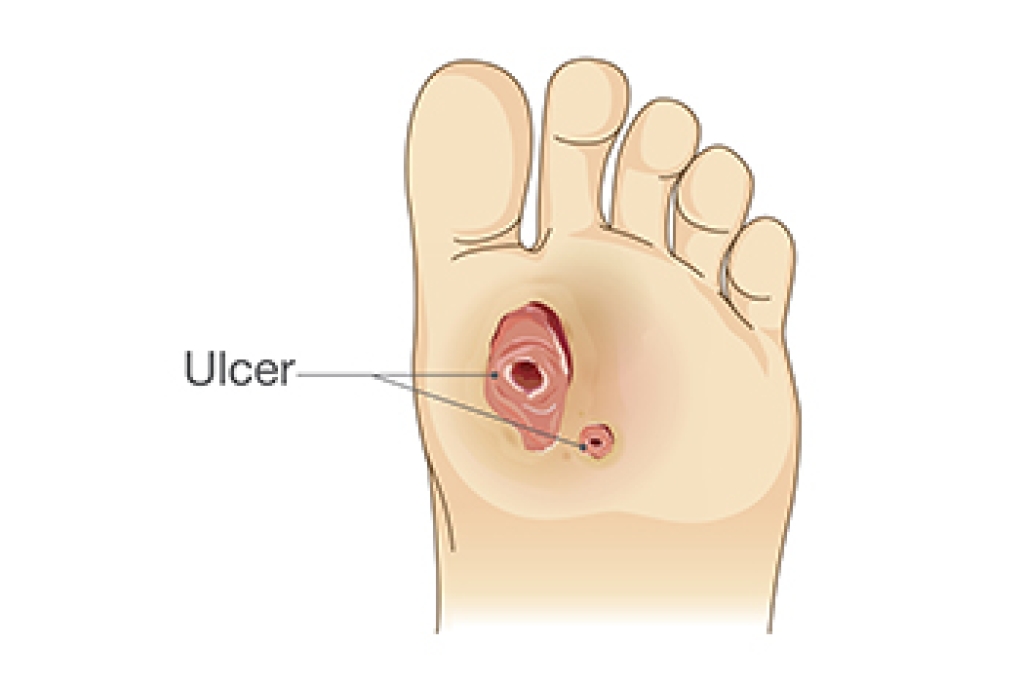
Diabetic foot ulcers are sores or wounds that can develop on the feet of people with diabetes, often due to poor circulation, nerve damage, and prolonged pressure. These ulcers commonly occur on the soles of the feet and can become severe if not treated promptly. Symptoms include pain, swelling, and sometimes a foul odor if the ulcer becomes infected. Treatment for diabetic foot ulcers focuses on wound care and managing diabetes effectively. This involves cleaning the wound regularly, using specialized dressings, and offloading pressure with customized footwear or orthotic devices. In some cases, antibiotics may be needed to treat or prevent infection. For a comprehensive evaluation and tailored treatment plan, it’s suggested you make an appointment with a podiatrist. Their expertise can significantly improve outcomes and prevent serious complications from foot ulcers.

Diabetic foot care is important in preventing foot ailments such as ulcers. If you are suffering from diabetes or have any other concerns about your feet, contact Jed Wells, DPM from Jed Wells, DPM Foot Specialist. Our doctor can provide the care you need to keep you pain-free and on your feet.

Diabetic Foot Care

Diabetes affects millions of people every year. The condition can damage blood vessels in many parts of the body, especially the feet. Because of this, taking care of your feet is essential if you have diabetes, and having a podiatrist help monitor your foot health is highly recommended.

The Importance of Caring for Your Feet

  • Routinely inspect your feet for bruises or sores.
  • Wear socks that fit your feet comfortably.
  • Wear comfortable shoes that provide adequate support.

Patients with diabetes should have their doctor monitor their blood levels, as blood sugar levels play such a huge role in diabetic care. Monitoring these levels on a regular basis is highly advised.

It is always best to inform your healthcare professional of any concerns you may have regarding your feet, especially for diabetic patients. Early treatment and routine foot examinations are keys to maintaining proper health, especially because severe complications can arise if proper treatment is not applied.

If you have any questions, please feel free to contact our office located in Corpus Christi, TX . We offer the newest diagnostic and treatment technologies for all your foot care needs.

Read more about Diabetic Foot Care
Connect with us