
Custom orthotics, or shoe inserts, should be periodically replaced. Orthotics must fit properly to give you the best results. Protect your feet and ankles!
Custom orthotics, or shoe inserts, should be periodically replaced. Orthotics must fit properly to give you the best results. Protect your feet and ankles!
 Research has shown it has been widely known that wearing high heels may cause harm and injuries to the feet. Experiencing pain the the feet can be a result of wearing this type of shoe, including the formation of hammertoes and bunions. However, new information may indicate the ankles may strengthen during the first few years of wearing high heels. There have been studies performed that possibly prove the theory of the muscles around the ankle becoming stronger during this time frame. As time progresses, the joints and tendons will gradually weaken if high heels are worn frequently for a long period of time. Performing proper stretches may protect the feet in maintaining the balance necessary for daily tasks. A consultation with a podiatrist is recommended if you would like additional information about how high heels may affect the feet.
High heels have a history of causing foot and ankle problems. If you have any concerns about your feet or ankles, contact Jed Wells, DPM from Jed Wells, DPM Foot Specialist. Our doctor can provide the care you need to keep you pain-free and on your feet.
Effects of High Heels on the Feet
High heels are popular shoes among women because of their many styles and societal appeal. Despite this, high heels can still cause many health problems if worn too frequently.
Which Parts of My Body Will Be Affected by High Heels?
What Kinds of Foot Problems Can Develop from Wearing High Heels?
How Can I Still Wear High Heels and Maintain Foot Health?
If you want to wear high heeled shoes, make sure that you are not wearing them every day, as this will help prevent long term physical problems. Try wearing thicker heels as opposed to stilettos to distribute weight more evenly across the feet. Always make sure you are wearing the proper shoes for the right occasion, such as sneakers for exercising. If you walk to work, try carrying your heels with you and changing into them once you arrive at work. Adding inserts to your heels can help cushion your feet and absorb shock. Full foot inserts or metatarsal pads are available.
If you have any questions, please feel free to contact our office located in Corpus Christi, TX . We offer the newest diagnostic and treatment technologies for all your foot care needs.

Suffering from this type of pain? You may have the foot condition known as Morton's neuroma. Morton's neuroma may develop as a result of ill-fitting footwear and existing foot deformities. We can help.
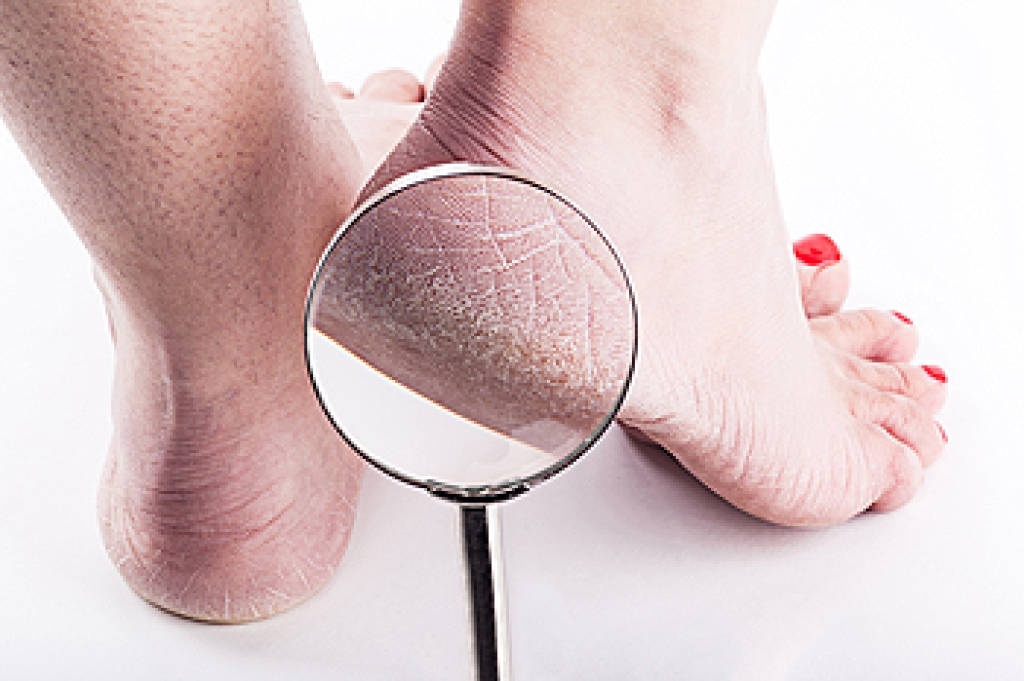 Cracked heels may be caused by several different factors. One of the most common causes is prolonged standing. Standing makes skin on the feet harden, and this could potentially lead to cracks in the skin. The best way to solve this problem is by finding a cushion to place on the bottom of the feet. It is also important to take breaks if you find yourself standing up for a long period of time. Another cause of cracked heels is old age. As you grow older, the skin on the bottom of your feet will begin to thicken and develop cracks. This is because old skin eventually loses the elasticity and moisture it once had in the past. Certain medical conditions such as vitamin deficiencies, diabetes, and thyroid conditions, and psoriasis are also known to cause cracks in the feet.
If the skin on your feet starts to crack, you may want to see a podiatrist to find treatment. If you have any concerns, contact Jed Wells, DPM from Jed Wells, DPM Foot Specialist. Our doctor can provide the care you need to keep you pain-free and on your feet.
Cracked Heels
It is important to moisturize your cracked heels in order to prevent pain, bleeding, and infection. The reason cracked heels form is because the skin on the foot is too dry to support the immense pressure placed on them. When the foot expands, the dry skin on the foot begins to split.
Ways to Help Heal Them
Ways to Prevent Cracked Heels
If you are unsure how to proceed in treating cracked heels, seek guidance from a podiatrist. Your doctor will help you with any questions or information you may need.
If you have any questions, please feel free to contact our office located in Corpus Christi, TX . We offer the newest diagnostic and treatment technologies for all your foot care needs.
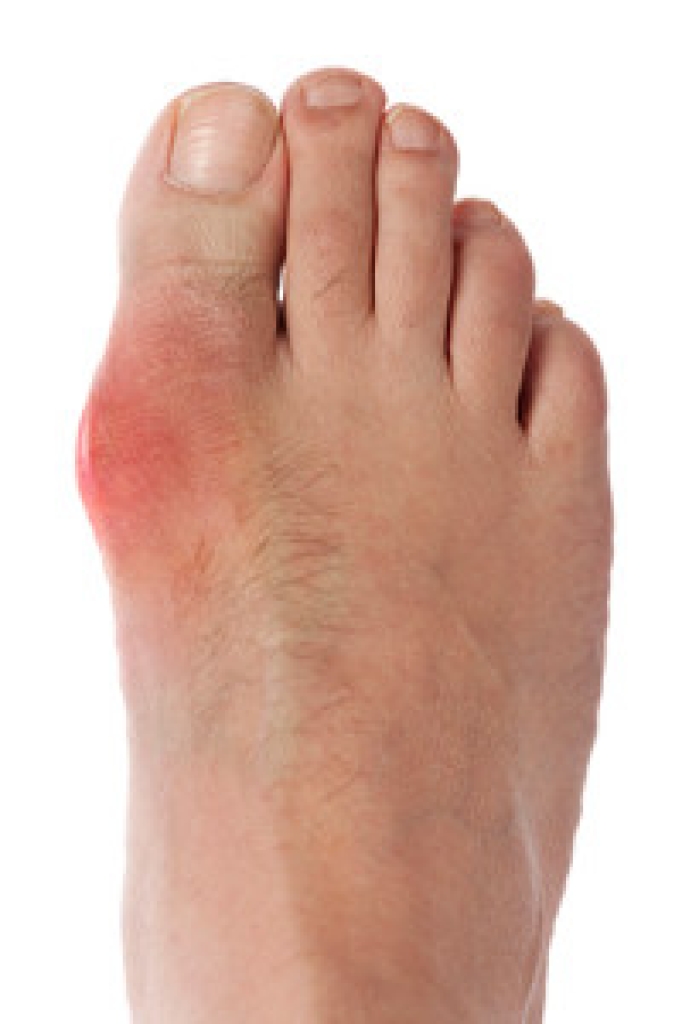 A recent study conducted by Keele University has shown that gout is not related to foot fractures. This news contrasts with prior speculation that the two foot ailments were correlated. Gout is the most common form of inflammatory arthritis, and it is caused by a buildup of urate crystals in the joint. Some symptoms of gout include severe pain and swelling in the joints, and this pain is most commonly experienced in the big toe. Although the study suggests that gout itself is not related to foot fractures, there has been some evidence that suggests chronic inflammation may result in a foot fracture. Researchers at Keele University found that medications used to lower urate acid in those with gout didn't have an impact on one’s long-term risk of developing a fracture. If you have any questions regarding Gout or are experiencing any symptoms, a consultation with a podiatrist is suggested.
Gout is a painful condition that can be treated. If you are seeking treatment, contact Jed Wells, DPM from Jed Wells, DPM Foot Specialist. Our doctor will treat your foot and ankle needs.
What Is Gout?
Gout is a form of arthritis that is characterized by sudden, severe attacks of pain, redness, and tenderness in the joints. The condition usually affects the joint at the base of the big toe. A gout attack can occur at any random time, such as the middle of the night while you are asleep.
Symptoms
Risk Factors
Prior to visiting your podiatrist to receive treatment for gout, there are a few things you should do beforehand. If you have gout you should write down your symptoms--including when they started and how often you experience them, important medical information you may have, and any questions you may have. Writing down these three things will help your podiatrist in assessing your specific situation so that he or she may provide the best route of treatment for you.
If you have any questions, please feel free to contact our office located in Corpus Christi, TX . We offer the newest diagnostic and treatment technologies for all your foot care needs.