
Do you suffer from heel pain when you get up in the morning? If so, you should seek professional help and have a proper diagnosis performed. Heel pain can be caused by several different foot-related conditions.
Do you suffer from heel pain when you get up in the morning? If so, you should seek professional help and have a proper diagnosis performed. Heel pain can be caused by several different foot-related conditions.
 Demarcus Cousins of the New Orleans Pelicans recently ruptured his Achilles Tendon during a Friday night game. With just 15 seconds remaining, Cousins went to rebound on a free throw he missed and landed on his left leg. Now, Cousins must miss the remainder of the season from having to undergo surgery. Cousins will be immobilized for quite some time and have to go through physical therapy to regain strength and range of motion in his ankle and leg. It is said that the rate of recovery from surgery associated with this injury are high. With professional athletes having a different standard of physical health, this injury may hinder their athletic performance in the future. That being said, many people are curious to see how well Cousins will perform when he returns.
Achilles tendon injuries need immediate attention to avoid future complications. If you have any concerns, contact Jed Wells, DPM of Jed Wells, DPM Foot Specialist. Our doctor can provide the care you need to keep you pain-free and on your feet.
What Is the Achilles Tendon?
The Achilles tendon is a tendon that connects the lower leg muscles and calf to the heel of the foot. It is the strongest tendon in the human body and is essential for making movement possible. Because this tendon is such an integral part of the body, any injuries to it can create immense difficulties and should immediately be presented to a doctor.
What Are the Symptoms of an Achilles Tendon Injury?
There are various types of injuries that can affect the Achilles tendon. The two most common injuries are Achilles tendinitis and ruptures of the tendon.
Achilles Tendinitis Symptoms
Rupture Symptoms
Treatment and Prevention
Achilles tendon injuries are diagnosed by a thorough physical evaluation, which can include an MRI. Treatment involves rest, physical therapy, and in some cases, surgery. However, various preventative measures can be taken to avoid these injuries, such as:
If you have any questions please feel free to contact our office located in Corpus Christi, TX . We offer the newest diagnostic tools and technology to treat your foot and ankle needs.

Custom orthotics, or shoe inserts, should be periodically replaced. Orthotics must fit properly to give you the best results. Protect your feet and ankles!
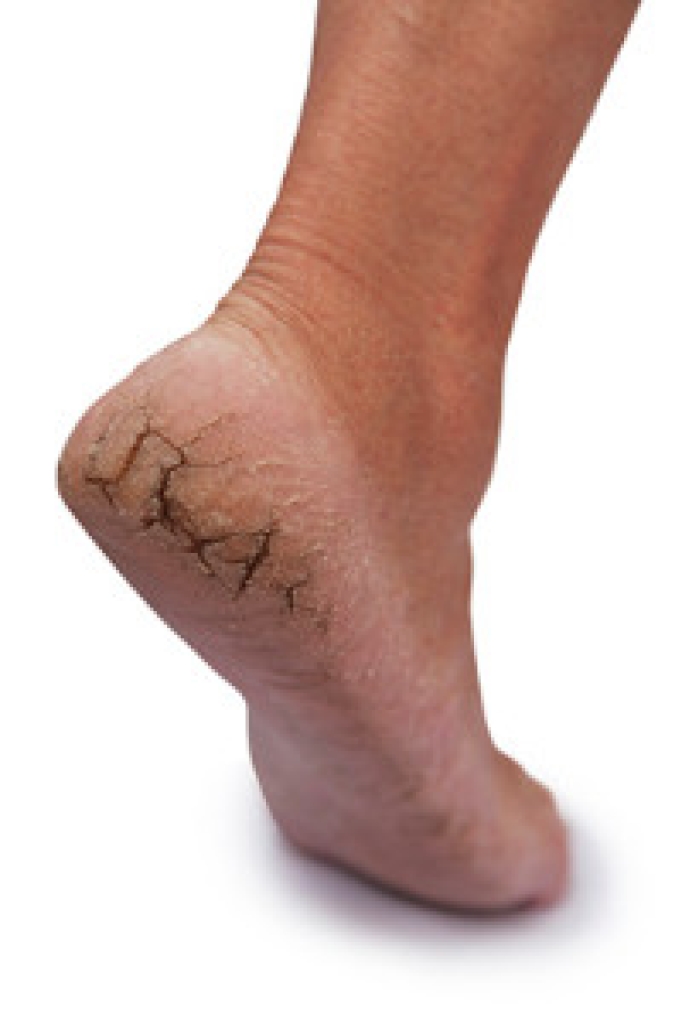 One of the most common causes of cracked heels is a lack of moisture. Typically, a callus will begin to form, and when coupled with dryness the skin can split. This is often accompanied by pain and bleeding. Other medical causes may include thyroid disease, diabetes, and vitamin deficiency, in addition to possibly wearing incorrect shoes. Calluses can form from having dropped arches, affecting the heel as walking occurs, which may put additional stress on the foot. These conditions can cause the skin to become less supple and can incur diminished flexibility while walking, therefore leading to cracks in the skin. Treatments may include practicing improved nutrition and applying moisturizers. The skin on the heel will possibly feel more comfortable when the hardened calluses are removed. A consultation with a podiatrist may be considered for treatment options if cracked heels are affecting your day to day activities.
Cracked heels are unsightly and can cause further damage to your shoes and feet. If you have any concerns, contact Jed Wells, DPM from Jed Wells, DPM Foot Specialist. Our doctor can provide the care you need to keep you pain-free and on your feet.
Cracked Heels
Cracked heels appear unappealing and can make it harder for you walk around in sandals. Aside from looking unpleasant, cracked heels can also tear stockings, socks, and wear out your shoes. There are several methods to help restore a cracked heel and prevent further damage.
How Do You Get Them?
Dry skin is the number one culprit in creating cracked heels. Many athletes, walkers, joggers, and even swimmers suffer from cracked heels. Age and skin oil production play a role to getting cracked heels as well.
Promote Healing
Over the counter medicines can help, especially for those that need instant relief or who suffer from chronic dry feet.
Wear Socks – Wearing socks with medicated creams helps lock in moisture.
Moisturizers – Applying both day and night will help alleviate dryness which causes cracking.
Pumice Stones – These exfoliate and remove dead skin, which allows for smoother moisturizer application and better absorption into the skin.
Change in Diet
Eating healthy with a well-balanced diet will give the skin a fresh and radiant look. Your body responds to the kinds of food you ingest. Omega-3 fatty acids and zinc supplements can also revitalize skin tissue.
Most importantly, seek professional help if unsure how to proceed in treating cracked heels. A podiatrist will help you with any questions or information needed.
If you have any questions, please feel free to contact our office located in Corpus Christi, TX . We offer the newest diagnostic and treatment technologies for all your foot care needs.

Suffering from this type of pain? You may have the foot condition known as Morton's neuroma. Morton's neuroma may develop as a result of ill-fitting footwear and existing foot deformities. We can help.