Same Day or Next Day Appointments Available
Se Habla Español

Blog

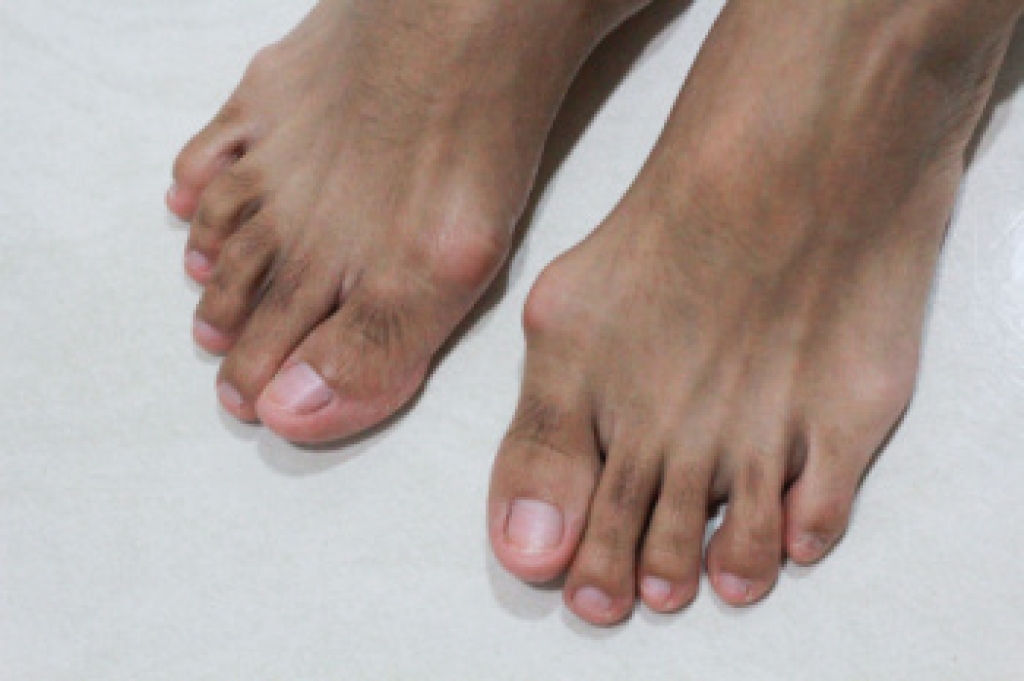
Reasons for Having Bunion Surgery

A bunion can lead to steady pain at the base of the big toe, especially when the bump grows larger as the toe shifts toward the second toe. When wider shoes or protective pads no longer reduce discomfort, surgery to correct the deformity may be considered. Reasons for choosing bunion surgery include pain that interferes with daily movement, difficulty walking more than short distances, or swelling around the big toe joint that does not improve with rest. Some people also struggle to bend or straighten the toe because the joint becomes too stiff. Surgery helps realign the bones of the big toe and reduce the bony prominence so the foot can function more comfortably. A podiatrist can assess the size and severity of the bunion and recommend the best plan for relief. If you have a painful bunion, it is suggested that you make an appointment with a podiatrist for a diagnosis and treatment.

If you are suffering from bunion pain, contact Jed Wells, DPM of Jed Wells, DPM Foot Specialist. Our doctor can provide the care you need to keep you pain-free and on your feet.

What Is a Bunion?

Bunions are painful bony bumps that usually develop on the inside of the foot at the joint of the big toe. As the deformity increases over time, it may become painful to walk and wear shoes. Women are more likely to exacerbate existing bunions since they often wear tight, narrow shoes that shift their toes together. Bunion pain can be relieved by wearing wider shoes with enough room for the toes.

Causes

  • Genetics – some people inherit feet that are more prone to bunion development
  • Inflammatory Conditions - rheumatoid arthritis and polio may cause bunion development

Symptoms

  • Redness and inflammation
  • Pain and tenderness
  • Callus or corns on the bump
  • Restricted motion in the big toe

In order to diagnose your bunion, your podiatrist may ask about your medical history, symptoms, and general health. Your doctor might also order an x-ray to take a closer look at your feet. Nonsurgical treatment options include orthotics, padding, icing, changes in footwear, and medication. If nonsurgical treatments don’t alleviate your bunion pain, surgery may be necessary.

If you have any questions, please feel free to contact our office located in Corpus Christi, TX . We offer the newest diagnostic and treatment technologies for all your foot care needs.


Read more about Bunions

How Contagious Is Athlete’s Foot?

Athlete’s foot is a fungal infection that spreads easily from person to person and through contaminated surfaces. The fungi that cause the infection thrive in warm, moist environments, such as locker rooms, public showers, and inside of shoes. Walking barefoot on damp floors or sharing towels, socks, or footwear can quickly spread the fungus. Even tiny flakes of infected skin can contain spores that linger on floors or carpets and lead to reinfection. Scratching the affected skin can also transfer the fungus to other parts of the foot or between the toes. A podiatrist can confirm an athlete's foot infection through examination and testing, prescribe antifungal medication, and recommend ways to prevent recurrence. Keeping the feet dry and clean, wearing flip-flops in public showers, and avoiding shared items can help reduce transmission. If you have an athlete's foot infection, it is suggested that you make an appointment with a podiatrist for a diagnosis and treatment.

Athlete’s Foot

Athlete’s foot is often an uncomfortable condition to experience. Thankfully, podiatrists specialize in treating athlete’s foot and offer the best treatment options. If you have any questions about athlete’s foot, consult with Jed Wells, DPM from Jed Wells, DPM Foot Specialist. Our doctor will assess your condition and provide you with quality treatment.

What Is Athlete’s Foot?

Tinea pedis, more commonly known as athlete’s foot, is a non-serious and common fungal infection of the foot. Athlete’s foot is contagious and can be contracted by touching someone who has it or infected surfaces. The most common places contaminated by it are public showers, locker rooms, and swimming pools. Once contracted, it grows on feet that are left inside moist, dark, and warm shoes and socks.

Prevention

The most effective ways to prevent athlete’s foot include:

  • Thoroughly washing and drying feet
  • Avoid going barefoot in locker rooms and public showers
  • Using shower shoes in public showers
  • Wearing socks that allow the feet to breathe
  • Changing socks and shoes frequently if you sweat a lot

Symptoms

Athlete’s foot initially occurs as a rash between the toes. However, if left undiagnosed, it can spread to the sides and bottom of the feet, toenails, and if touched by hand, the hands themselves. Symptoms include:

  • Redness
  • Burning
  • Itching
  • Scaly and peeling skin

Diagnosis and Treatment

Diagnosis is quick and easy. Skin samples will be taken and either viewed under a microscope or sent to a lab for testing. Sometimes, a podiatrist can diagnose it based on simply looking at it. Once confirmed, treatment options include oral and topical antifungal medications.

If you have any questions, please feel free to contact our office located in Corpus Christi, TX . We offer the newest diagnostic and treatment technologies for all your foot care needs.
Read more about How to Deal with Athlete's Foot

Recognizing Arthritis in the Toes

Arthritis in the toes affects the joints and can make everyday movement uncomfortable. It often develops with increased age as joint cartilage naturally wears down. Being overweight places added pressure on the toe joints, while genetics may increase the likelihood of developing this condition. Common symptoms include persistent pain, stiffness, swelling and reduced flexibility in the toes which may worsen with walking or standing. Some people notice tenderness, redness or difficulty wearing shoes comfortably. A podiatrist can help by evaluating joint health and recommending personalized treatment, such as supportive footwear, custom orthotics, targeted exercises, and pain management strategies. Early care can slow progression and improve function. If toe pain or stiffness is limiting your lifestyle, it is suggested that you consult a podiatrist who can offer effective relief and management tips. 

Arthritis can be a difficult condition to live with. If you are seeking treatment, contact Jed Wells, DPM from Jed Wells, DPM Foot Specialist. Our doctor can provide the care you need to keep you pain-free and on your feet.

Arthritic Foot Care  

Arthritis is a term that is commonly used to describe joint pain.  The condition itself can occur to anyone of any age, race, or gender, and there are over 100 types of it.  Nevertheless, arthritis is more commonly found in women compared to men, and it is also more prevalent in those who are overweight. The causes of arthritis vary depending on which type of arthritis you have. Osteoarthritis for example, is often caused by injury, while rheumatoid arthritis is caused by a misdirected immune system.

Symptoms

  • Swelling
  • Pain
  • Stiffness
  • Decreased Range of Motion

Arthritic symptoms range in severity, and they may come and go. Some symptoms stay the same for several years but could potentially get worse with time. Severe cases of arthritis can prevent its sufferers from performing daily activities and make walking difficult.

Risk Factors

  • Occupation – Occupations requiring repetitive knee movements have been linked to osteoarthritis
  • Obesity – Excess weight can contribute to osteoarthritis development
  • Infection – Microbial agents can infect the joints and trigger arthritis
  • Joint Injuries – Damage to joints may lead to osteoarthritis
  • Age – Risk increases with age
  • Gender –Most types are more common in women
  • Genetics – Arthritis can be hereditary

If you suspect your arthritis is affecting your feet, it is crucial that you see a podiatrist immediately. Your doctor will be able to address your specific case and help you decide which treatment method is best for you.

If you have any questions please feel free to contact our office located in Corpus Christi, TX . We offer the newest diagnostic tools and technology to treat your foot and ankle needs.

Read more about Arthritic Foot Care

Changes in the Toes Linked to Rheumatoid Arthritis

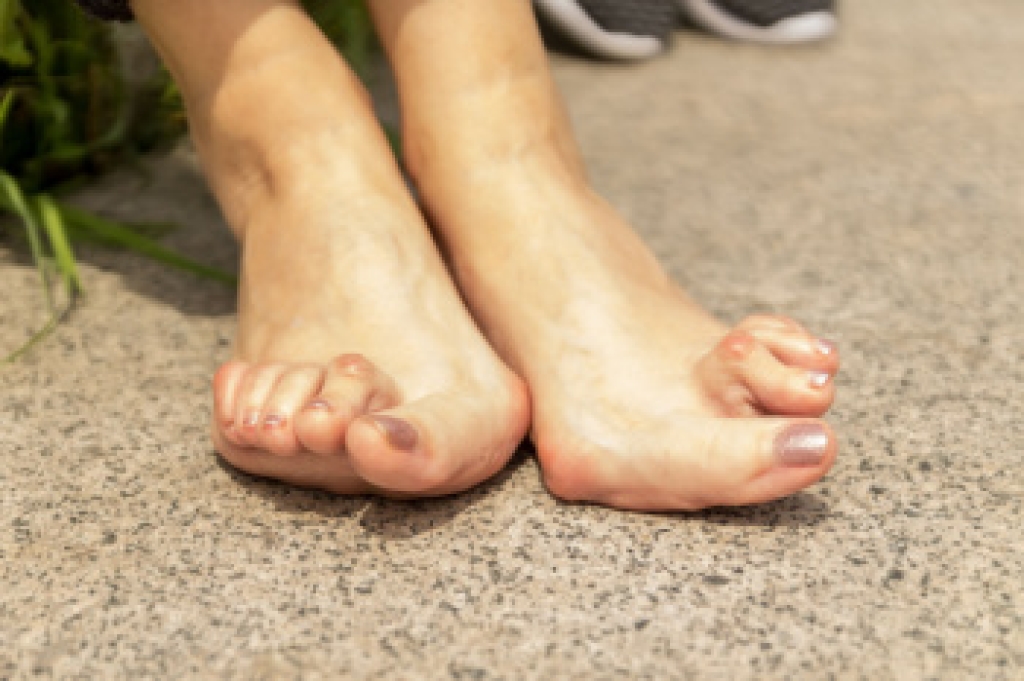
Rheumatoid arthritis is an autoimmune condition in which the body mistakenly attacks its own joints, and the small joints of the toes are often among the first to show signs of trouble. Early signs may include stiffness in the morning, swelling that makes shoes feel tight, or tenderness when pushing off during walking. As the condition progresses, the joints can lose stability, causing the toes to drift, curl, or feel less flexible than before. Some people develop pressure beneath the ball of the foot as alignment shifts, which can lead to discomfort with even short periods of standing. These changes can make movement more tiring and limit comfortable footwear choices. A podiatrist can assess the joints, recommend supportive shoes, provide inserts that improve alignment, and offer targeted treatments that ease irritation. If your toes are changing or becoming painful due to rheumatoid arthritis, it is suggested that you see a podiatrist for effective relief and management tips.

Because RA affects more than just your joints, including the joints in your feet and ankles, it is important to seek early diagnosis from your podiatrist if you feel like the pain in your feet might be caused by RA. For more information, contact Jed Wells, DPM of Jed Wells, DPM Foot Specialist. Our doctor will assist you with all of your podiatric concerns.

What Is Rheumatoid Arthritis?

Rheumatoid Arthritis (RA) is an autoimmune disorder in which the body’s own immune system attacks the membranes surrounding the joints. Inflammation of the lining and eventually the destruction of the joint’s cartilage and bone occur, causing severe pain and immobility.

Rheumatoid Arthritis of the Feet

Although RA usually attacks multiple bones and joints throughout the entire body, almost 90 percent of cases result in pain in the foot or ankle area.

Symptoms

  • Swelling and pain in the feet
  • Stiffness in the feet
  • Pain on the ball or sole of feet
  • Joint shift and deformation

Diagnosis

Quick diagnosis of RA in the feet is important so that the podiatrist can treat the area effectively. Your doctor will ask you about your medical history, occupation, and lifestyle to determine the origin of the condition. Rheumatoid Factor tests help to determine if someone is affected by the disease.

If you have any questions, please feel free to contact our office located in Corpus Christi, TX . We offer the newest diagnostic and treatment technologies for all your foot care needs.

Read more about Rheumatoid Arthritis in the Feet
Connect with us