
Same Day or Next Day Appointments Available
Se Habla Español

Blog

Understanding Common Causes of Foot Pain

Foot pain can affect individuals of all ages and lifestyles, impacting mobility and quality of life. One frequent reason for this type of pain is wearing improper footwear, such as shoes that are too tight, narrow, or lacking in support, leading to conditions like bunions, corns, and ingrown toenails. Overuse or repetitive strain on the feet, often seen in athletes or individuals with occupations that require prolonged standing or walking, can result in plantar fasciitis, stress fractures, and tendonitis. Additionally, structural abnormalities, such as flat feet, high arches, or misalignment of the bones, can contribute to chronic foot pain and discomfort. Systemic conditions like arthritis, diabetes, and circulatory disorders may also result in foot pain. Foot pain can be successfully treated by a podiatrist. If you have any type of foot pain, it is strongly suggested that you visit this type of doctor who can offer you appropriate treatment solutions.

Foot Pain

Foot pain can be extremely painful and debilitating. If you have a foot pain, consult with Jed Wells, DPM from Jed Wells, DPM Foot Specialist. Our doctor will assess your condition and provide you with quality foot and ankle treatment.

Causes

Foot pain is a very broad condition that could be caused by one or more ailments. The most common include:

  • Bunions
  • Hammertoes
  • Plantar Fasciitis
  • Bone Spurs
  • Corns
  • Tarsal Tunnel Syndrome
  • Ingrown Toenails
  • Arthritis (such as Gout, Rheumatoid, and Osteoarthritis)
  • Flat Feet
  • Injury (from stress fractures, broken toe, foot, ankle, Achilles tendon ruptures, and sprains)
  • And more

Diagnosis

To figure out the cause of foot pain, podiatrists utilize several different methods. This can range from simple visual inspections and sensation tests to X-rays and MRI scans. Prior medical history, family medical history, and any recent physical traumatic events will all be taken into consideration for a proper diagnosis.

Treatment

Treatment depends upon the cause of the foot pain. Whether it is resting, staying off the foot, or having surgery; podiatrists have a number of treatment options available for foot pain.

If you have any questions, please feel free to contact our office located in Corpus Christi, TX . We offer the newest diagnostic and treatment technologies for all your foot care needs.

Read more about Foot Pain

Key Facts About Bunions

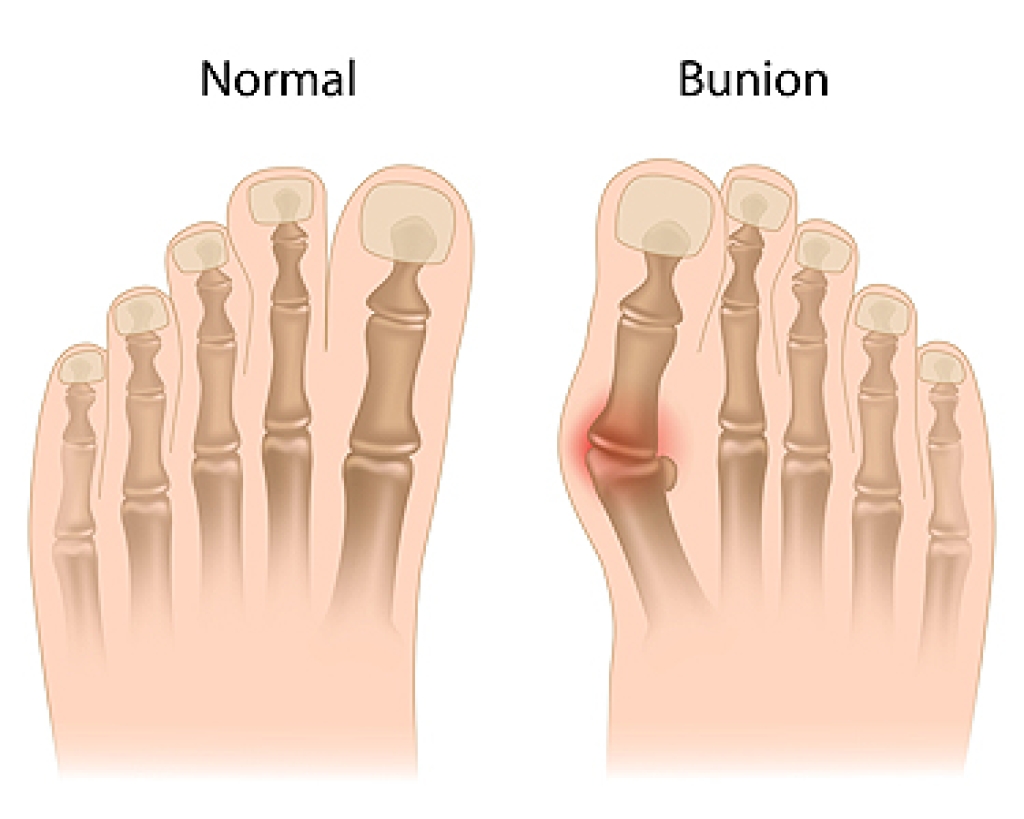
Bunions, a prevalent foot deformity, are characterized by a bony bump that forms at the base of the big toe. Contrary to common belief, bunions are not merely a cosmetic issue but can cause discomfort and affect mobility. One essential fact about bunions is their tendency to develop gradually over time, often due to structural issues in the foot, such as flat feet or abnormal bone alignment. Additionally, wearing ill-fitting shoes, particularly those with narrow toe boxes, can exacerbate bunion development or worsen existing symptoms. Individuals with bunions may experience pain, swelling, redness, and restricted movement in the affected toe. Despite popular misconceptions, bunions cannot be permanently corrected through nonsurgical means. However, conservative measures such as wearing supportive footwear, and using orthotic inserts can help alleviate symptoms and slow the progression of the deformity. For severe cases causing significant pain or hindering daily activities, surgical intervention may be necessary to realign the affected joint and provide lasting relief from bunions. If you have a bunion, it is suggested that you are under the care of a podiatrist who can help you to manage this condition.

If you are suffering from bunion pain, contact Jed Wells, DPM of Jed Wells, DPM Foot Specialist. Our doctor can provide the care you need to keep you pain-free and on your feet.

What Is a Bunion?

Bunions are painful bony bumps that usually develop on the inside of the foot at the joint of the big toe. As the deformity increases over time, it may become painful to walk and wear shoes. Women are more likely to exacerbate existing bunions since they often wear tight, narrow shoes that shift their toes together. Bunion pain can be relieved by wearing wider shoes with enough room for the toes.

Causes

  • Genetics – some people inherit feet that are more prone to bunion development
  • Inflammatory Conditions - rheumatoid arthritis and polio may cause bunion development

Symptoms

  • Redness and inflammation
  • Pain and tenderness
  • Callus or corns on the bump
  • Restricted motion in the big toe

In order to diagnose your bunion, your podiatrist may ask about your medical history, symptoms, and general health. Your doctor might also order an x-ray to take a closer look at your feet. Nonsurgical treatment options include orthotics, padding, icing, changes in footwear, and medication. If nonsurgical treatments don’t alleviate your bunion pain, surgery may be necessary.

If you have any questions, please feel free to contact our office located in Corpus Christi, TX . We offer the newest diagnostic and treatment technologies for all your foot care needs.

Read more about What Are Bunions?

The Impact of Flat Feet on Physical Performance in School-Age Children

Flat feet, a common condition characterized by a lack of arch in the foot, can potentially affect the physical performance of school-age children. While flat feet themselves may not directly hinder a child's ability to engage in physical activities, they can contribute to issues such as foot pain, fatigue, and decreased stability. Children with flat feet may experience discomfort or cramping during prolonged periods of standing or walking, impacting their participation in sports or physical education classes. Furthermore, flat feet may alter the biomechanics of the lower limbs, leading to poor posture, balance problems, and an increased risk of injury. Addressing flat feet early on through proper footwear, orthotic inserts, and targeted exercises can help alleviate symptoms and improve physical performance in children. By recognizing the potential impact of flat feet on physical activity, parents and educators can take proactive steps to support the overall well-being and participation of school-age children in various physical pursuits. If your child has flat feet, it is suggested that a podiatrist is contacted who can offer effective relief and treatment methods.

Flatfoot is a condition many people suffer from. If you have flat feet, contact Jed Wells, DPM from Jed Wells, DPM Foot Specialist. Our doctor will treat your foot and ankle needs.

What Are Flat Feet?

Flatfoot is a condition in which the arch of the foot is depressed and the sole of the foot is almost completely in contact with the ground. About 20-30% of the population generally has flat feet because their arches never formed during growth.

Conditions & Problems:

Having flat feet makes it difficult to run or walk because of the stress placed on the ankles.

Alignment – The general alignment of your legs can be disrupted, because the ankles move inward which can cause major discomfort.

Knees – If you have complications with your knees, flat feet can be a contributor to arthritis in that area.  

Symptoms

  • Pain around the heel or arch area
  • Trouble standing on the tip toe
  • Swelling around the inside of the ankle
  • Flat look to one or both feet
  • Having your shoes feel uneven when worn

Treatment

If you are experiencing pain and stress on the foot you may weaken the posterior tibial tendon, which runs around the inside of the ankle. 

If you have any questions, please feel free to contact our office located in Corpus Christi, TX . We offer the newest diagnostic and treatment technologies for all your foot care needs.

Read more about What is Flexible Flat Foot?

Plantar Warts Can Be Treated!

Plantar warts are small growths that develop on parts of the feet that bear weight. They're typically found on the bottom of the foot. Don't live with plantar warts, and call us today!

Understanding Your Health Through Your Feet

Your feet, often overlooked, hold valuable clues about your overall health. They serve as a mirror reflecting various underlying conditions that might otherwise go unnoticed. Paying attention to subtle signs can provide insight into your well-being. For instance, cold feet could indicate poor circulation, while dry, cracked skin might suggest dehydration or a nutrient deficiency. Swelling may signal issues with your heart, kidneys, or lymphatic system. Additionally, changes in toenails, such as discoloration or thickening, may hint at fungal infections or more serious ailments like diabetes or psoriasis. Moreover, persistent foot pain might not just be due to overuse but could signify conditions like plantar fasciitis or arthritis. Therefore, by observing and heeding the messages your feet convey, you can take proactive steps toward maintaining optimal health and addressing potential concerns before they escalate. After all, your feet are more than just the foundation of your body, they are valuable indicators of your overall well-being. If you have foot pain, it is suggested that you visit a podiatrist who may find underlying health issues and offer you specific treatment plans.

When dealing with systemic disease of the feet, it is extremely important to check the affected areas routinely so that any additional problems are caught quickly.  If you have any concerns about your feet and ankles contact Jed Wells, DPM from Jed Wells, DPM Foot Specialist. Our doctor will assist you with all of your podiatric needs.

Systemic Diseases of the Feet

Systemic diseases affect the whole body, and symptoms usually are displayed in the feet. This condition can make a patient’s ability to walk unbearable.  Systemic diseases include gout, diabetes mellitus, neurological disorders, and arthritis.

Gout – is caused by an excess of uric acid in the body. Common symptoms include pain, inflammation, and redness at the metatarsal/phalangeal joint of the base big toe. Gout can be treated by NSAIDs to relieve pain and inflammation, and other drugs that lower the acid levels in the body.

Diabetes mellitus – is an increase in the level of blood sugar that the body cannot counteract with its own insulin. Failure to produce enough insulin is a factor in Diabetes.

Diabetes of the Feet

Diabetic Neuropathy – may lead to damaged nerves and affect the feet through numbness and loss of sensation.

Peripheral Vascular Disease – can restrict the blood flow to the feet, and often times lead to amputation of the feet. 

If you have any questions please contact our office located in Corpus Christi, TX . We offer the newest diagnostic and treatment technologies for all your foot and ankle needs.

Read more about Systemic Diseases of the Foot
Connect with us