
Same Day or Next Day Appointments Available
Se Habla Español

Blog

Podiatric Care for Blisters and Blistering Conditions

Blisters are fluid-filled pockets that form beneath the outer layer of skin. On the feet, they can develop when repeated rubbing or pressure irritates the skin. Tight shoes can create friction against the toes, heels, or sides of the feet. Burns and other skin injuries can also cause blisters. Most blisters caused by irritation affect the upper layers of skin and heal without leaving a scar. Symptoms include tenderness, redness, and a raised pocket of fluid. A blister can make standing or walking uncomfortable when pressure is placed on the affected area.

Not every blister develops from friction or an injury. Some diseases cause blisters because of problems within the body. Certain conditions involve the immune system mistakenly attacking healthy skin. These conditions can produce widespread blisters that begin in deeper layers of the skin. They can take longer to heal and can sometimes leave scars. Infections and reactions to certain medications can also cause serious blistering. A podiatrist can examine foot blisters and ask about when they appeared. The examination can help determine whether pressure, infection, or another condition could be responsible. Unexplained or widespread blistering can require evaluation by another medical specialist.

Treatment for foot blisters depends on their cause, location, and severity. A podiatrist can protect an irritated area and address pressure that contributes to the problem. Treatment can include professional wound care, protective padding, and care for an underlying infection. A podiatrist can also evaluate shoes that create repeated friction or pressure against the skin. Blisters linked to a more serious skin disease require treatment directed at the underlying condition. Patients with diabetes or poor circulation should have foot blisters evaluated promptly because damaged skin can lead to serious complications.  A podiatric evaluation is also important when a foot blister becomes increasingly painful, red, or swollen. If you are developing frequent blisters on your feet, it is suggested that you schedule an appointment with a podiatrist for effective relief and treatment solutions. 

Blisters are prone to making everyday activities extremely uncomfortable. If your feet are hurting, contact Jed Wells, DPM of Jed Wells, DPM Foot Specialist. Our doctor can provide the care you need to keep you pain-free and on your feet.

Foot Blisters

Foot blisters develop as a result of constantly wearing tight or ill-fitting footwear. This happens due to the constant rubbing from the shoe, which can often lead to pain.

What Are Foot Blisters?

A foot blister is a small fluid-filled pocket that forms on the upper-most layer of the skin. Blisters are filled with clear fluid and can lead to blood drainage or pus if the area becomes infected.

How Do Blisters Form?

Blisters on the feet are often the result of constant friction of skin and material, usually by shoe rubbing. Walking in sandals, boots, or shoes that don’t fit properly for long periods of time can result in a blister. Having consistent foot moisture and humidity can easily lead to blister formation.

Prevention & Treatment

It is important to properly care for the affected area in order to prevent infection and ease the pain. Do not lance the blister and use a Band-Aid to provide pain relief. Also, be sure to keep your feet dry and wear proper fitting shoes. If you see blood or pus in a blister, seek assistance from a podiatrist.

If you have any questions, please feel free to contact our office located in Corpus Christi, TX . We offer the newest diagnostic and treatment technologies for all your foot care needs.


Read more about Blisters

What to Know About Toe and Forefoot Fractures

Toe and forefoot fractures can happen after a direct injury, like hitting the foot against a hard object or dropping something on the toes. A fracture is a break or crack in a bone. The forefoot contains five long bones called metatarsals, with the smaller bones that form the toes. Fractures can develop from repeated stress or after a sudden increase in physical activity. Pain and swelling are common signs. Bruising,  pain while walking, and a change in the shape of a toe can also occur. A fracture does not always look obvious, so an evaluation is important when foot pain follows an injury or continues with activity.

A podiatrist can examine the foot and ask how the injury happened. The examination focuses on swelling, tenderness, bruising, changes in shape, and other signs of injury. X-rays can help show most toe and forefoot fractures. However, a stress fracture can be difficult to see on an early X-ray because it can begin as a small crack. When a stress fracture is suspected but does not appear on an X-ray, a podiatrist can determine whether additional imaging is appropriate. A diagnosis helps identify the location and type of fracture and guides treatment.

Treatment for toe and forefoot fractures depends on the location, type, and position of the broken bone. Many fractures can heal without surgery. A podiatrist can provide treatment that supports the bone while it heals, which can include a walking boot, cast, or other form of immobilization. Some fractures require the bone to be moved back into proper position, while more serious or unstable fractures can require surgery. Follow-up visits can help a podiatrist check whether the bone is staying aligned and healing properly. Recovery can take several weeks, and some fractures require a longer period of time before normal activity is safe. If you have symptoms of toe and forefoot fractures, it is suggested that you schedule an appointment with a podiatrist for a diagnosis and appropriate treatment.

Broken toes may cause a lot of pain and should be treated as soon as possible. If you have any concerns about your feet, contact Jed Wells, DPM from Jed Wells, DPM Foot Specialist. Our doctor will treat your foot and ankle needs.

What Is a Broken Toe?

A broken toe occurs when one or more of the toe bones of the foot are broken after an injury. Injuries such as stubbing your toe or dropping a heavy object on it may cause a toe fracture.

Symptoms of a Broken Toe

  • Swelling
  • Pain (with/without wearing shoes)
  • Stiffness
  • Nail Injury

Although the injured toe should be monitored daily, it is especially important to have a podiatrist look at your toe if you have severe symptoms. Some of these symptoms include worsening or new pain that is not relieved with medication, sores, redness, or open wounds near the toe.

If you have any questions please feel free to contact our office located in Corpus Christi, TX . We offer the newest diagnostic tools and technology to treat your foot and ankle needs.

Read more about What to Know About a Broken Toe

Exploring Reasons for Ankle Pain

Ankle pain is discomfort affecting the ankle joint, surrounding muscles, or ligaments. It can develop gradually or occur suddenly after an injury. Pain may range from a dull ache to severe discomfort that makes walking difficult. Common symptoms include swelling, bruising, or stiffness. Tenderness, and reduced movement are also common. Ankle pain can affect daily activities, especially while standing, walking, or exercising. Understanding the cause can help guide appropriate care and prevent symptoms from becoming worse.

Several factors can contribute to ankle pain. Excessive exercise may place repeated stress on muscles, tendons, and joints, especially when activity increases too quickly. Wearing tight shoes can also create pressure around the ankle and affect foot movement. Other causes include sprains, tendon irritation, or overuse. Risk factors may include previous ankle injuries, physically demanding activities, and sudden changes in exercise routines. Paying attention to discomfort can help prevent minor problems from progressing.


A podiatrist can evaluate ankle pain by reviewing your symptoms, activity level, and injury history. The examination may assess swelling, tenderness, and foot strength. They may also check flexibility, and walking mechanics. Imaging tests may be recommended when a fracture or significant structural problem is suspected. Treatment depends on the underlying cause. A podiatrist may recommend activity modification, supportive footwear, or targeted exercises. More involved care may include bracing, physical therapy, or other treatments designed to reduce pain and restore ankle function.


Do not ignore ankle pain that persists, becomes severe, or interferes with movement. Resting from aggravating activities and wearing comfortable shoes may help reduce irritation. However, continued symptoms require a podiatric evaluation to identify the source and prevent further damage. Your podiatrist can develop a treatment plan based on your needs and monitor your progress during recovery. If you have ankle pain, it is suggested that you consult a podiatrist for an accurate diagnosis and appropriate treatment.

Ankle pain can be caused by a number of problems and may be potentially serious. If you have ankle pain, consult with Jed Wells, DPM from Jed Wells, DPM Foot Specialist. Our doctor will assess your condition and provide you with quality foot and ankle treatment.

Ankle pain is any condition that causes pain in the ankle. Due to the fact that the ankle consists of tendons, muscles, bones, and ligaments, ankle pain can come from a number of different conditions.

Causes

The most common causes of ankle pain include:

  • Types of arthritis (rheumatoid, osteoarthritis, and gout)
  • Ankle sprains
  • Broken ankles
  • Achilles tendonitis
  • Achilles tendon rupture
  • Stress fractures
  • Bursitis
  • Tarsal tunnel syndrome
  • Plantar fasciitis

Symptoms

Symptoms of ankle injury vary based upon the condition. Pain may include general pain and discomfort, swelling, aching, redness, bruising, burning or stabbing sensations, and/or loss of sensation.

Diagnosis

Due to the wide variety of potential causes of ankle pain, podiatrists will utilize a number of different methods to properly diagnose ankle pain. This can include asking for personal and family medical histories and of any recent injuries. Further diagnosis may include sensation tests, a physical examination, and potentially x-rays or other imaging tests.

Treatment

Just as the range of causes varies widely, so do treatments. Some more common treatments are rest, ice packs, keeping pressure off the foot, orthotics and braces, medication for inflammation and pain, and surgery.

If you have any questions please feel free to contact our office located in Corpus Christi, TX . We offer the newest diagnostic tools and technology to treat your foot and ankle needs.

Read more about Various Causes of Ankle Pain

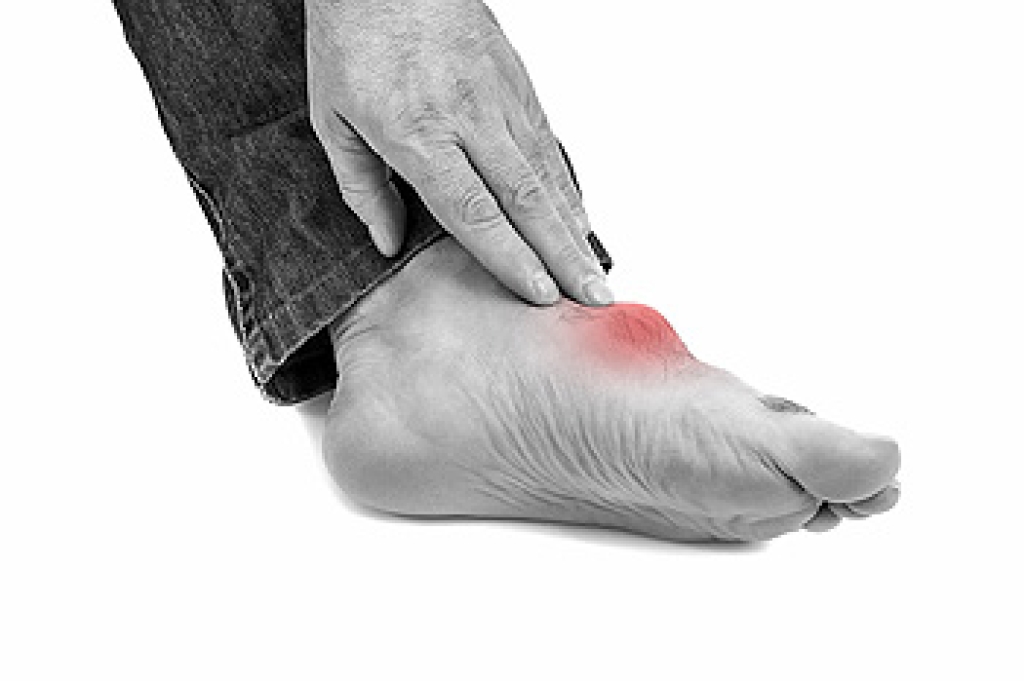
Understanding Gout and Sudden Foot Pain

Gout can cause sudden, intense pain in a joint, and the big toe is one of the most frequent areas affected. The condition develops when uric acid builds up in the body and forms tiny crystals inside a joint. These crystals can trigger swelling, redness, and strong tenderness. A gout flare can begin quickly, sometimes reaching its highest level of pain within a day. Gout can also affect the ankle, midfoot, or other joints, making foot pain difficult to identify by symptoms alone. Because several foot problems can cause similar symptoms, a careful evaluation is important.

A podiatrist can assess the painful area and look for signs that fit gout. The evaluation can include a review of symptoms, a physical examination, and testing when the diagnosis is unclear. A blood test can measure urate, which is the form of uric acid found in the blood. However, a normal urate level does not always rule out gout during a flare. In some cases, fluid from the affected joint can be examined for crystals. Imaging tests can also help identify crystal buildup or rule out other causes of joint pain. These steps help guide an appropriate treatment plan and help separate gout from other causes of sudden joint pain.

Treatment for gout focuses on controlling painful flares and lowering the chance of future attacks. A podiatrist can help identify foot and ankle problems related to gout and coordinate care that fits the patient’s needs. Treatment can involve medicines that reduce inflammation during a flare. Long-term care can also involve medicines that lower uric acid and reduce crystal buildup. Managing gout is important because repeated flares can damage joints and lead to firm lumps called tophi, which are collections of urate crystals under the skin. If you have symptoms of gout, it is suggested that you are under the care of a podiatrist who can help you to manage this painful condition.

Gout is a foot condition that requires certain treatment and care. If you are seeking treatment, contact Jed Wells, DPM from Jed Wells, DPM Foot Specialist. Our doctor will treat your foot and ankle needs.

What Is Gout?

Gout is a type of arthritis caused by a buildup of uric acid in the bloodstream. It often develops in the foot, especially the big toe area, although it can manifest in other parts of the body as well. Gout can make walking and standing very painful and is especially common in diabetics and the obese.

People typically get gout because of a poor diet. Genetic predisposition is also a factor. The children of parents who have had gout frequently have a chance of developing it themselves.

Gout can easily be identified by redness and inflammation of the big toe and the surrounding areas of the foot. Other symptoms include extreme fatigue, joint pain, and running high fevers. Sometimes corticosteroid drugs can be prescribed to treat gout, but the best way to combat this disease is to get more exercise and eat a better diet.

If you have any questions, please feel free to contact our office located in Corpus Christi, TX . We offer the newest diagnostic and treatment technologies for all your foot care needs.
Read more about Everything You Need to Know About Gout

Are You Suffering From Ingrown Toenails?

If left untreated, an ingrown toenail can lead to more serious concerns, such as an infection. Knowing proper nail care can help in the prevention of an ingrown toenail. Give us a call, and get treated!

Connect with us