Same Day or Next Day Appointments Available
Se Habla Español

Blog

Seeking Podiatric Help for Cracked Heels

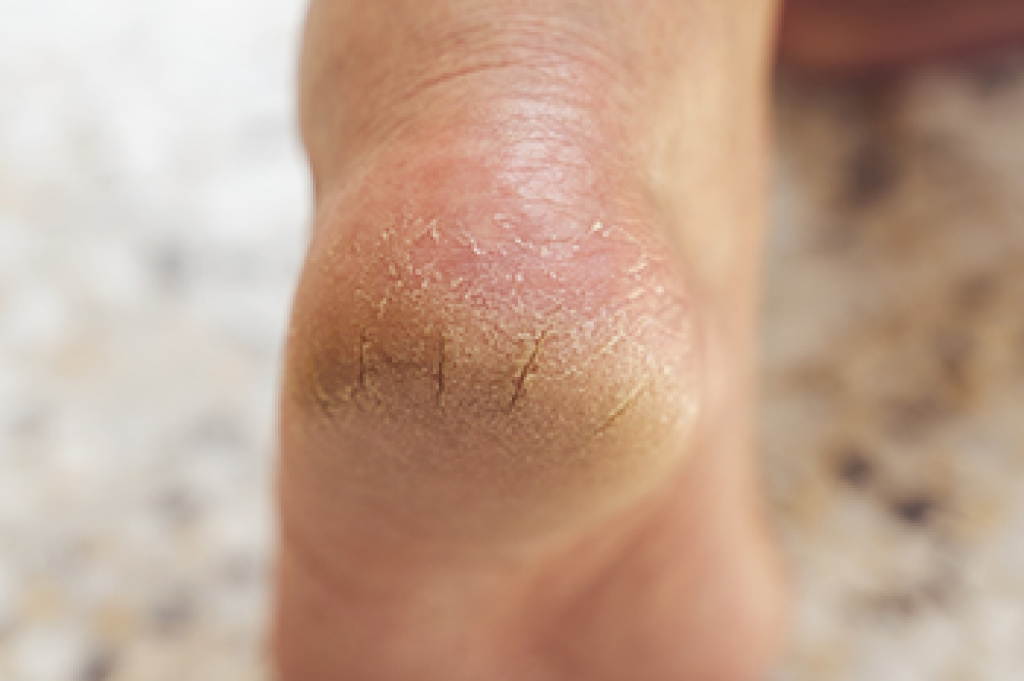
Cracked heels can range from a cosmetic concern to a source of significant discomfort. Also known as heel fissures, cracked heels develop when the skin surrounding the heel becomes dry, thickened, and less flexible. As pressure is placed on the heel during standing and walking, the skin may split and form visible cracks. In mild cases, cracked heels may cause little discomfort. However, deeper cracks can lead to pain, especially during daily activities. Some individuals may also notice rough skin, flaking, or tenderness around the affected area. Because the feet support the body's weight throughout the day, heel problems can quickly interfere with comfort and mobility.

Several factors can contribute to cracked heels. Dry skin is one of the most common causes, but age, prolonged standing, and certain medical conditions may also increase the risk. Excess pressure on the heels can cause the skin to expand outward, making it more likely to crack. In some cases, the skin becomes so thick and dry that deeper fissures develop. These cracks can become painful and may make walking difficult. If left unaddressed, severe cracks can increase the risk of infection, particularly when the skin barrier is damaged. Early evaluation is important for identifying contributing factors and preventing the condition from worsening.

Podiatric care can help address cracked heels by evaluating the condition of the skin and identifying underlying causes. A podiatrist can assess the severity of the cracks and determine whether additional foot-related issues are contributing to the problem. Professional treatment may help reduce discomfort, improve skin health, and support normal foot function. Because cracked heels can become increasingly painful, seeking care before complications develop is often beneficial. Maintaining healthy feet is important for overall mobility and quality of life. If you have pain from cracked heels, it is suggested that you consult a podiatrist for an evaluation and appropriate treatment options.

If the skin on your feet starts to crack, you may want to see a podiatrist to find treatment. If you have any concerns, contact Jed Wells, DPM from Jed Wells, DPM Foot Specialist. Our doctor can provide the care you need to keep you pain-free and on your feet.

Cracked Heels

It is important to moisturize your cracked heels in order to prevent pain, bleeding, and infection. The reason cracked heels form is because the skin on the foot is too dry to support the immense pressure placed on them. When the foot expands, the dry skin on the foot begins to split.

Ways to Help Heal Them

  • Invest in a good foot cream
  • Try Using Petroleum Jelly
  • Ease up on Soaps
  • Drink Plenty of Water

Ways to Prevent Cracked Heels

  • Moisturize After Showering
  • Skip a Shower
  • Keep Shower Water Lukewarm
  • Don’t Scrub Your Feet

If you are unsure how to proceed in treating cracked heels, seek guidance from a podiatrist. Your doctor will help you with any questions or information you may need. 

If you have any questions, please feel free to contact our office located in Corpus Christi, TX . We offer the newest diagnostic and treatment technologies for all your foot care needs.
Read more about Solutions for Cracked Heels

Gout and Sudden Big Toe Pain

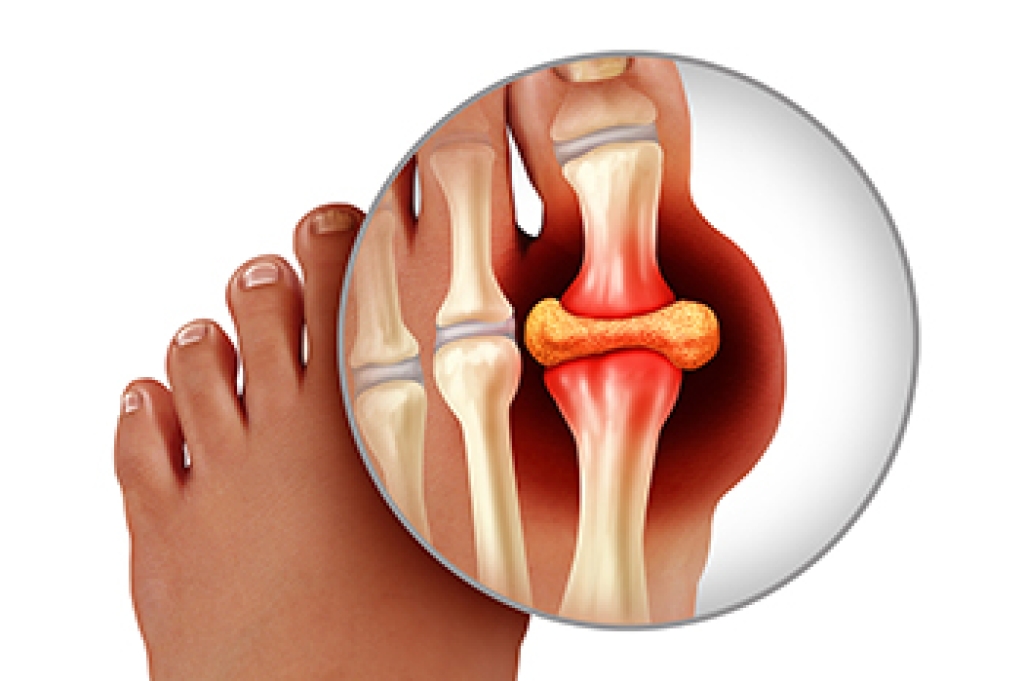
Gout is a form of arthritis caused by a buildup of uric acid crystals in the joints. It often affects the big toe because this joint is more prone to temperature changes and stress, which can encourage crystal formation. Symptoms include sudden intense pain, redness, swelling, and warmth, often occurring at night. Risk factors include a diet high in purines, obesity, dehydration, certain medications, and family history. Without proper care, flare-ups may become more frequent and severe. A podiatrist can diagnose gout, provide treatment to relieve pain, and offer guidance on lifestyle changes to reduce future attacks. If you have symptoms of gout, it is strongly suggested that you are under the care of a podiatrist who can help you to manage this painful condition.

Gout is a painful condition that can be treated. If you are seeking treatment, contact Jed Wells, DPM from Jed Wells, DPM Foot Specialist. Our doctor will treat your foot and ankle needs.

What Is Gout?

Gout is a form of arthritis that is characterized by sudden, severe attacks of pain, redness, and tenderness in the joints. The condition usually affects the joint at the base of the big toe. A gout attack can occur at any random time, such as the middle of the night while you are asleep.

Symptoms

  • Intense Joint Pain - Usually around the large joint of your big toe, and it most severe within the first four to twelve hours
  • Lingering Discomfort - Joint discomfort may last from a few days to a few weeks
  • Inflammation and Redness -Affected joints may become swollen, tender, warm and red
  • Limited Range of Motion - May experience a decrease in joint mobility

Risk Factors

  • Genetics - If family members have gout, you’re more likely to have it
  • Medications - Diuretic medications can raise uric acid levels
  • Gender/Age - Gout is more common in men until the age of 60. It is believed that estrogen protects women until that point
  • Diet - Eating red meat and shellfish increases your risk
  • Alcohol - Having more than two alcoholic drinks per day increases your risk
  • Obesity - Obese people are at a higher risk for gout

Prior to visiting your podiatrist to receive treatment for gout, there are a few things you should do beforehand. If you have gout you should write down your symptoms--including when they started and how often you experience them, important medical information you may have, and any questions you may have. Writing down these three things will help your podiatrist in assessing your specific situation so that he or she may provide the best route of treatment for you.

If you have any questions, please feel free to contact our office located in Corpus Christi, TX . We offer the newest diagnostic and treatment technologies for all your foot care needs.
Read more about Gout

When Your Child Has Arthritis

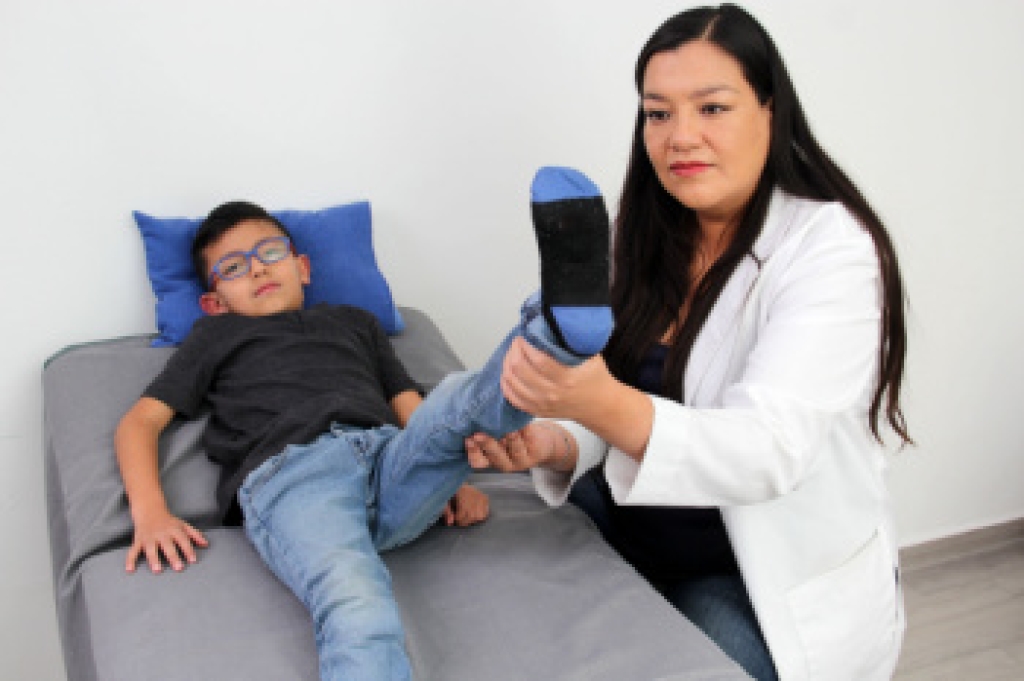
Juvenile arthritis causes joint pain and swelling in children. It can affect the feet, ankles, knees, and other joints, making it harder for a child to walk, run, or stay active. Symptoms include stiffness in the morning, swollen joints, and pain while walking. Children may also feel tired or develop warmth and redness around the joints. When the feet and ankles are affected, children may limp or avoid certain activities because of discomfort. A podiatrist can examine how the child walks and check for joint changes in the feet. Treatment includes custom orthotics, supportive footwear, and braces that help reduce pressure on painful joints. Stretching exercises and monitoring foot growth can also help improve comfort and movement. If your child has foot or ankle pain linked to arthritis, it is suggested that you make an appointment with a podiatrist for an exam and treatment options.

Arthritis can be a difficult condition to live with. If you are seeking treatment, contact Jed Wells, DPM from Jed Wells, DPM Foot Specialist. Our doctor can provide the care you need to keep you pain-free and on your feet.

Arthritic Foot Care  

Arthritis is a term that is commonly used to describe joint pain.  The condition itself can occur to anyone of any age, race, or gender, and there are over 100 types of it.  Nevertheless, arthritis is more commonly found in women compared to men, and it is also more prevalent in those who are overweight. The causes of arthritis vary depending on which type of arthritis you have. Osteoarthritis for example, is often caused by injury, while rheumatoid arthritis is caused by a misdirected immune system.

Symptoms

  • Swelling
  • Pain
  • Stiffness
  • Decreased Range of Motion

Arthritic symptoms range in severity, and they may come and go. Some symptoms stay the same for several years but could potentially get worse with time. Severe cases of arthritis can prevent its sufferers from performing daily activities and make walking difficult.

Risk Factors

  • Occupation – Occupations requiring repetitive knee movements have been linked to osteoarthritis
  • Obesity – Excess weight can contribute to osteoarthritis development
  • Infection – Microbial agents can infect the joints and trigger arthritis
  • Joint Injuries – Damage to joints may lead to osteoarthritis
  • Age – Risk increases with age
  • Gender –Most types are more common in women
  • Genetics – Arthritis can be hereditary

If you suspect your arthritis is affecting your feet, it is crucial that you see a podiatrist immediately. Your doctor will be able to address your specific case and help you decide which treatment method is best for you.

If you have any questions please feel free to contact our office located in Corpus Christi, TX . We offer the newest diagnostic tools and technology to treat your foot and ankle needs.

Read more about Arthritic Foot Care

Heel Pain and Plantar Fasciitis

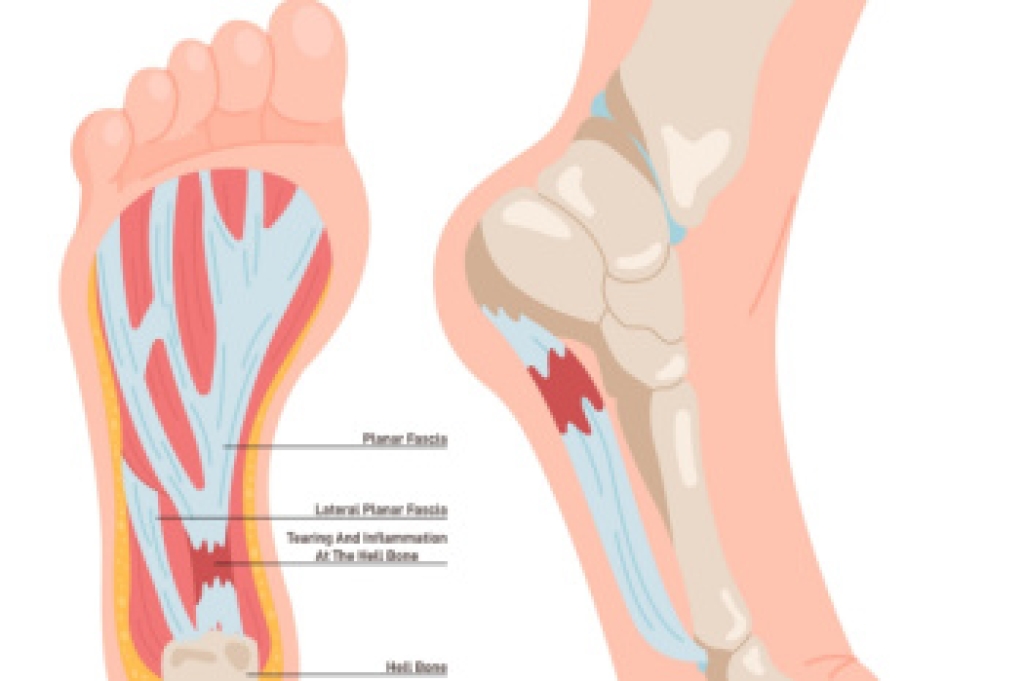
Plantar fasciitis involves inflammation of the plantar fascia, the thick band of tissue that supports the arch along the bottom of the foot. It develops when this tissue becomes overstretched or overused. Causes often include foot arch problems, running long distances, obesity, and a tight Achilles tendon that increases strain on the heel. Symptoms include sharp heel pain, especially with the first steps in the morning, along with stiffness and tenderness. Risk factors include repetitive activity, poor footwear, and limited flexibility. A podiatrist can evaluate the condition, recommend supportive shoes, stretching exercises, and other treatments to reduce discomfort. If you have heel pain, it is suggested that you consult a podiatrist who can accurately diagnose and treat plantar fasciitis. 

Plantar fasciitis can be very painful and inconvenient. If you are experiencing heel pain or symptoms of plantar fasciitis, contact Jed Wells, DPM  from Jed Wells, DPM Foot Specialist. Our doctor can provide the care you need to keep you pain-free and on your feet.

What Is Plantar Fasciitis?

Plantar fasciitis is the inflammation of the thick band of tissue that runs along the bottom of your foot, known as the plantar fascia, and causes mild to severe heel pain.

What Causes Plantar Fasciitis?

  • Excessive running
  • Non-supportive shoes
  • Overpronation
  • Repeated stretching and tearing of the plantar fascia

How Can It Be Treated?

  • Conservative measures – anti-inflammatories, ice packs, stretching exercises, physical therapy, orthotic devices
  • Shockwave therapy – sound waves are sent to the affected area to facilitate healing and are usually used for chronic cases of plantar fasciitis
  • Surgery – usually only used as a last resort when all else fails. The plantar fascia can be surgically detached from the heel

While very treatable, plantar fasciitis is definitely not something that should be ignored. Especially in severe cases, speaking to your doctor right away is highly recommended to avoid complications and severe heel pain. Your podiatrist can work with you to provide the appropriate treatment options tailored to your condition.

If you have any questions, please feel free to contact our office located in Corpus Christi, TX . We offer the newest diagnostic and treatment technologies for all your foot care needs.

Read more about Plantar Fasciitis

Why Live with Pain and Numbness in Your Feet?

Suffering from this type of pain? You may have the foot condition known as Morton's neuroma. Morton's neuroma may develop as a result of ill-fitting footwear and existing foot deformities. We can help.

Connect with us