Same Day or Next Day Appointments Available
Se Habla Español

Blog

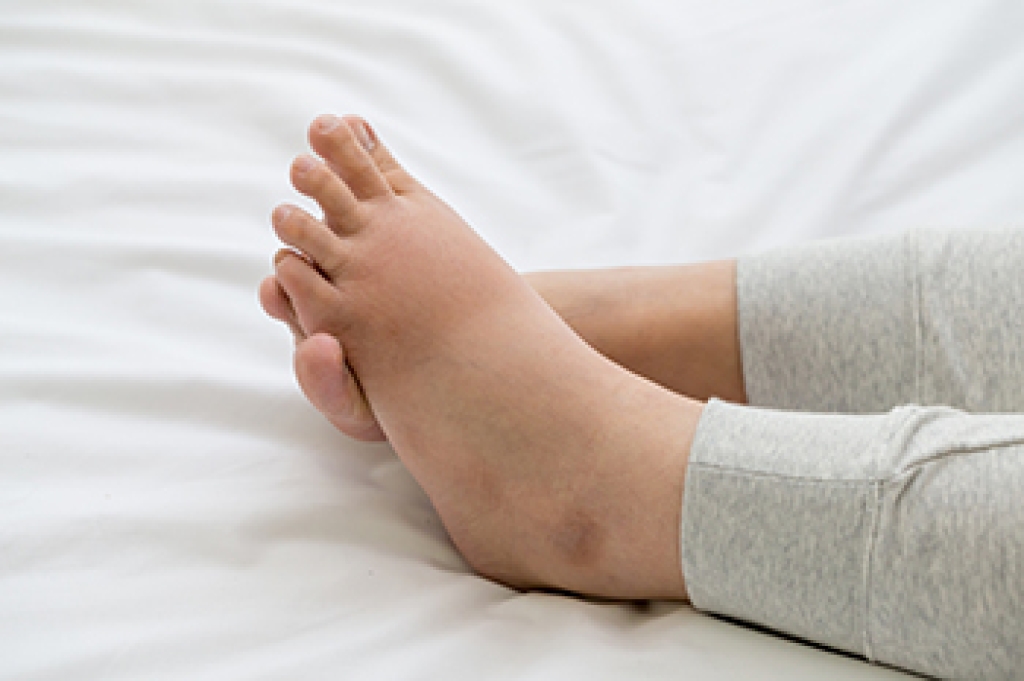
Drinking Water and Exercising May Help Swollen Feet During Pregnancy

Swollen feet and ankles are common among the majority of women during pregnancy. This is a condition that generally begins during the second trimester, and continues throughout the pregnancy. Swollen feet are caused by excess fluid the body produces for the growing fetus, and it can collect in the feet. Relief may be found when the feet are frequently elevated, and sodium intake is reduced. Additionally, the swelling may become worse during the warmer months, and it is beneficial to stay as cool as possible. Research has shown that drinking plenty of water daily may help to control the swelling, in addition to wearing comfortable shoes and socks. The feet will typically feel better when gentle foot exercises are performed, consisting of bending and stretching them up and down several times. If you have questions about how the feet are affected during pregnancy, please consult with a podiatrist who can address any concerns you may have.

Pregnant women with swollen feet can be treated with a variety of different methods that are readily available. For more information about other cures for swollen feet during pregnancy, consult with Jed Wells, DPM from Jed Wells, DPM Foot Specialist. Our doctor will attend to all of your foot and ankle needs.

What Foot Problems Can Arise During Pregnancy?

One problem that can occur is overpronation, which occurs when the arch of the foot flattens and tends to roll inward.  This can cause pain and discomfort in your heels while you’re walking or even just standing up, trying to support your baby.  

Another problem is edema, or swelling in the extremities. This often affects the feet during pregnancy but tends to occur in the later stages. 

How Can I Keep My Feet Healthy During Pregnancy?

  • Wearing orthotics can provide extra support for the feet and help distribute weight evenly
  • Minimize the amount of time spent walking barefoot
  • Wear shoes with good arch support
  • Wear shoes that allow for good circulation to the feet
  • Elevate feet if you experience swelling
  • Massage your feet
  • Get regular, light exercise, such as walking, to promote blood circulation to the feet

If you have any questions, please feel free to contact our office located in Corpus Christi, TX . We offer the newest diagnostic and treatment technologies for all your foot care needs.
Read more about Foot Care for Pregnant Women

Foods That Cause or Worsen Gout

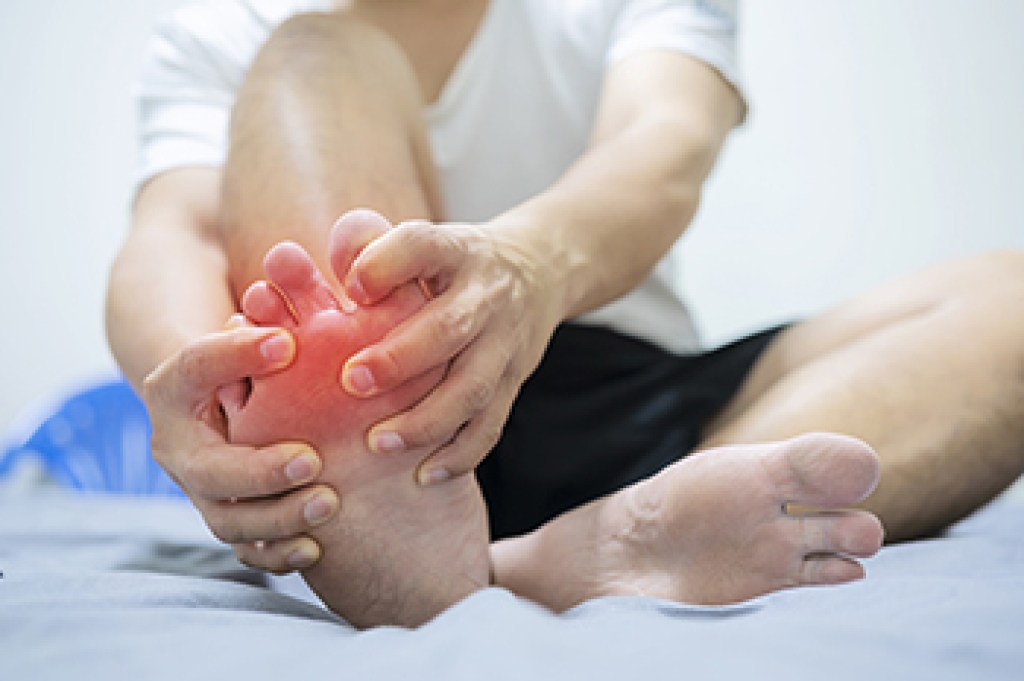
Gout is a type of inflammatory arthritis that results in swelling and severe pain in joints. It often shows itself in the big toe joint first. This condition comes on from having high uric acid levels in the blood and the formation of crystals in the joints. Uric acid is produced when purines, a naturally occurring substance in the body, are broken down and excess acid is not eliminated. Purines can also be found in certain foods, particularly red meats, seafood, high-sugar beverages, alcohol, and beer. It is important to limit the consumption of these foods if one is prone to gout. If you have pain in the joint of your big toe and you think it might be gout or have no idea what it could be from, see a podiatrist who can make an accurate diagnosis and provide treatment.

Gout is a foot condition that requires certain treatment and care. If you are seeking treatment, contact Jed Wells, DPM from Jed Wells, DPM Foot Specialist. Our doctor will treat your foot and ankle needs.

What Is Gout?

Gout is a type of arthritis caused by a buildup of uric acid in the bloodstream. It often develops in the foot, especially the big toe area, although it can manifest in other parts of the body as well. Gout can make walking and standing very painful and is especially common in diabetics and the obese.

People typically get gout because of a poor diet. Genetic predisposition is also a factor. The children of parents who have had gout frequently have a chance of developing it themselves.

Gout can easily be identified by redness and inflammation of the big toe and the surrounding areas of the foot. Other symptoms include extreme fatigue, joint pain, and running high fevers. Sometimes corticosteroid drugs can be prescribed to treat gout, but the best way to combat this disease is to get more exercise and eat a better diet.

If you have any questions, please feel free to contact our office located in Corpus Christi, TX . We offer the newest diagnostic and treatment technologies for all your foot care needs.

Read more about Gout

Risks of Charcot Foot in Diabetics

Charcot foot is a rare, but serious, complication of peripheral neuropathy brought on by diabetes. It affects the bones, joints, and soft tissues of the foot and ankle. Weakened joints can cause the bones to break and joints to dislocate. As a result, the shape of the foot changes. Charcot foot is deceptive and can be hard to diagnose, because symptoms include redness, hotness, and swelling. Because of that, it is often thought to be an infection. Although specific causes for Charcot foot are not clear, some conditions may help to indicate it. Often, because a diabetic with peripheral neuropathy cannot feel pain, a sprain or even a fracture can go unnoticed. In some cases, the foot becomes rounded on the bottom because the arch has collapsed. This also may indicate Charcot foot. Treatment varies from staying off the affected foot to surgery. People with Charcot foot may need to wear protective footwear, such as a cast, on a regular basis. If you suffer from diabetes and have developed peripheral neuropathy, it is highly recommended that you consult a podiatrist on a regular basis to monitor any unnoticed injuries that may indicate Charcot foot. 

Diabetic foot care is important in preventing foot ailments such as ulcers. If you are suffering from diabetes or have any other concerns about your feet, contact Jed Wells, DPM from Jed Wells, DPM Foot Specialist. Our doctor can provide the care you need to keep you pain-free and on your feet.

Diabetic Foot Care

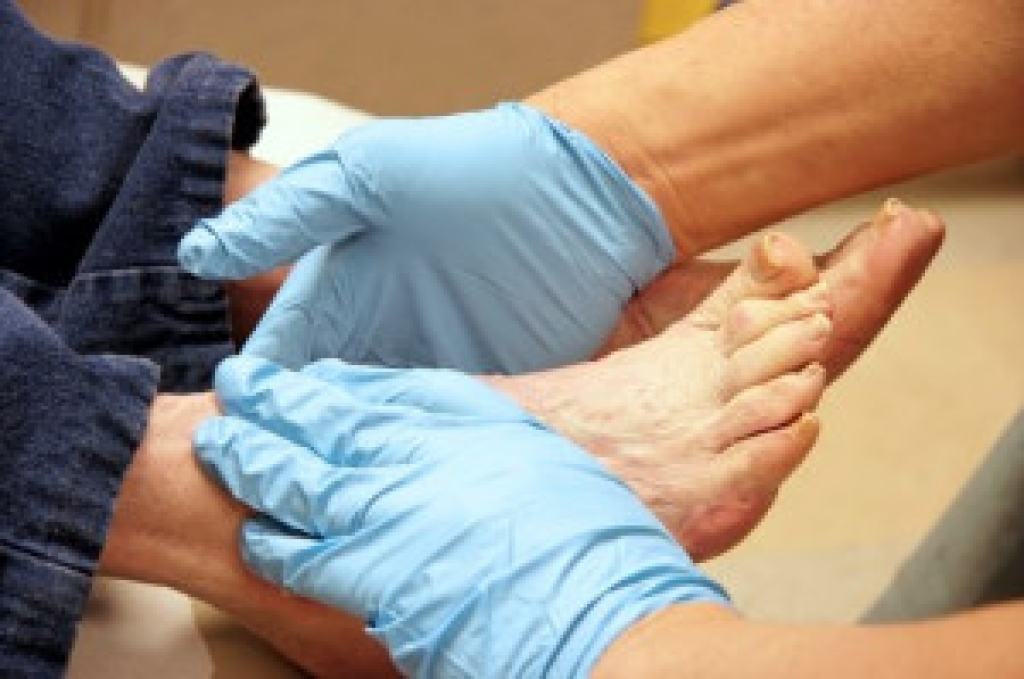
Diabetes affects millions of people every year. The condition can damage blood vessels in many parts of the body, especially the feet. Because of this, taking care of your feet is essential if you have diabetes, and having a podiatrist help monitor your foot health is highly recommended.

The Importance of Caring for Your Feet

  • Routinely inspect your feet for bruises or sores.
  • Wear socks that fit your feet comfortably.
  • Wear comfortable shoes that provide adequate support.

Patients with diabetes should have their doctor monitor their blood levels, as blood sugar levels play such a huge role in diabetic care. Monitoring these levels on a regular basis is highly advised.

It is always best to inform your healthcare professional of any concerns you may have regarding your feet, especially for diabetic patients. Early treatment and routine foot examinations are keys to maintaining proper health, especially because severe complications can arise if proper treatment is not applied.

If you have any questions, please feel free to contact our office located in Corpus Christi, TX . We offer the newest diagnostic and treatment technologies for all your foot care needs.
Read more about Diabetic Foot Conditions

Reminder: When Was the Last Time...?

Custom orthotics, or shoe inserts, should be periodically replaced. Orthotics must fit properly to give you the best results. Protect your feet and ankles!

Kohler Disease and Its Impact on Children

Kohler disease is a rare bone disorder that causes a child’s foot to hurt and swell. This disease usually impacts children between the ages of 3 to 7. Boys are much more likely to be afflicted with Kohler disease than girls. The flow of blood to the navicular bone in the foot is interrupted and there is a progressive degeneration of the bone. Some experts believe it may be related to an injury near the navicular bone and delayed bone formation leading to structural weakness. It can be caused by genetic factors, or it may develop from stress-related compression during a child’s growth period. A child will often limp or walk on the side of their foot because it might hurt them to put weight on it. There may be tenderness along the length of the arch and the affected area may redden. Those with this disorder most often outgrow it and the affected bone regains size, density, and structure. It often resolves itself within three months to two years. Since other disorders can have symptoms similar to those of Kohler disease, treatment can be helpful. If your child is complaining of foot pain or you notice a gait change, contact a podiatrist who can diagnose the problem and offer remedies.

Some foot conditions may require additional professional care. If you have any concerns, contact Jed Wells, DPM of Jed Wells, DPM Foot Specialist. Our doctor can provide the care you need to keep you pain-free and on your feet.

Rare Foot Conditions

The majority of foot conditions are common and can be treated by a podiatrist.  Standard diagnostic procedures are generally used to identify specific conditions and treatment can be rendered. A podiatrist also treats rare foot conditions which can be difficult to diagnose and may need extra attention and care. 

There are many rare foot conditions that can affect children. Some of these can include:

  • Freiberg’s disease
  • Kohler’s disease
  • Maffucci syndrome

Freiberg’s disease - This can be seen as a deterioration and flattening of a metatarsal bone that exists in the ball of the foot. It typically affects pre-teen and teenage girls, but can affect anyone at any age. Symptoms that can accompany this can be swelling, stiffness, and the patient may limp. 

Kohler’s disease - This often targets the bone in the arch of the foot and affects younger boys. It can lead to an interruption of the blood supply which ultimately can lead to bone deterioration. The patient may limp or experience tenderness, swelling, and redness.

Maffucci syndrome - This affects the long bones in a child’s foot leading to the development of abnormal bone lesions. They are benign growths and typically develop in early childhood and the bones may be susceptible to breaking. 

A podiatrist can properly diagnose and treat all types of rare foot conditions. If your child is affected by any of these symptoms or conditions, please don’t hesitate to call our office so the correct treatment method can begin.

If you have any questions, please feel free to contact our office located in Corpus Christi, TX . We offer the newest diagnostic and treatment technologies for all your foot care needs.

Read more about Rare Foot Conditions
Connect with us