
 Research has shown there are notable differences between walking and running shoes. These may include having thicker soles to allow for additional stability. The technique of walking differs between the two types of shoes. Walkers tend to land on their heels as opposed to runners who appear to land flat-footed. Stability is often increased as a result of the design of the shoes, and this may help to guide the foot in a forward motion. For both types of shoes, it’s important to have ample room for the toes to move about, in addition to having adequate flexibility that meet the demands of your chosen sport. Please consult with a podiatrist for additional information about the differences between walking and running shoes.
For more information about walking shoes versus running shoes, consult with Jed Wells, DPM from Jed Wells, DPM Foot Specialist. Our doctor can measure your feet to determine what your needs are and help you find an appropriate pair of footwear.
Foot Health: The Differences between Walking & Running Shoes
There are great ways to stay in shape: running and walking are two great exercises to a healthy lifestyle. It is important to know that running shoes and walking shoes are not interchangeable. There is a key difference on how the feet hit the ground when someone is running or walking. This is why one should be aware that a shoe is designed differently for each activity.
You may be asking yourself what the real differences are between walking and running shoes and the answers may shock you.
Differences
Walking doesn’t involve as much stress or impact on the feet as running does. However, this doesn’t mean that you should be any less prepared. When you’re walking, you land on your heels and have your foot roll forward. This rolling motion requires additional support to the feet.
Flexibility – Walking shoes are designed to have soft, flexible soles. This allows the walker to push off easily with each step.
If you have any questions, please feel free to contact our office located in Corpus Christi, TX . We offer the newest diagnostic and treatment technologies for all your foot care needs.

Your feet are covered most of the day. If you're diabetic, periodic screening is important for good health. Numbness is often a sign of diabetic foot and can mask a sore or wound.
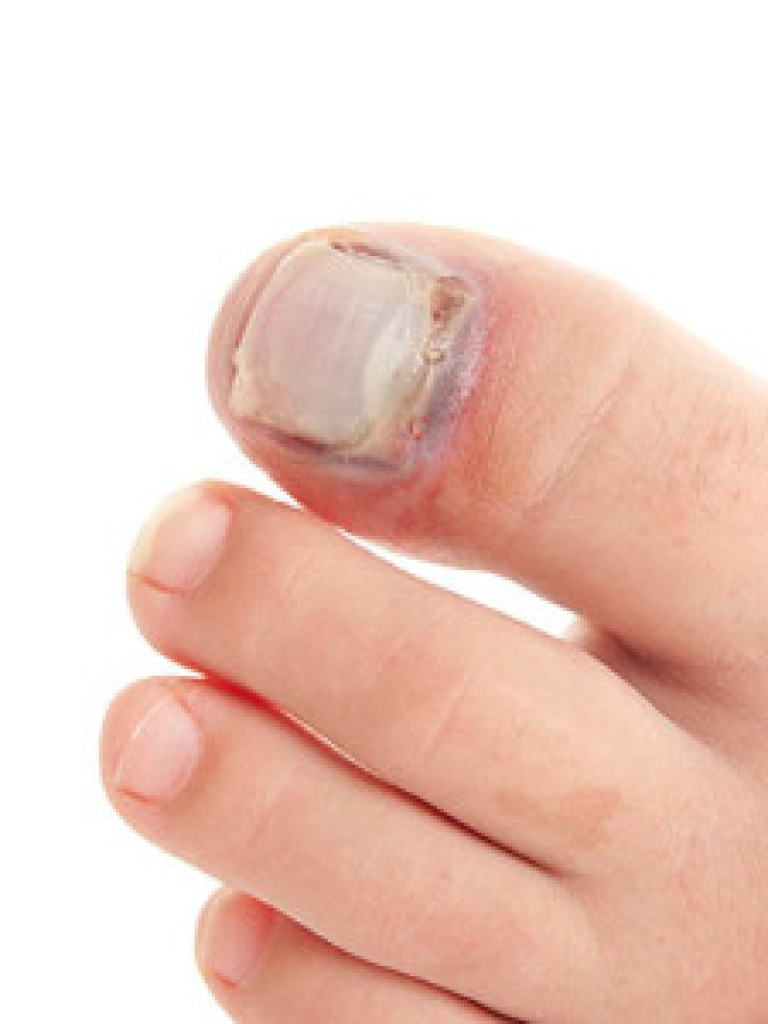 If you have suffered a broken toe, it is typically a result of an injury that has occurred or from a heavy object falling on the foot. Often, people may stub or jam their toe which may lead to the toe becoming fractured. There are several symptoms that are easily identifiable, including bruising, pain while walking, or a deformed look to the toe. In more severe fractures, the bone may protrude from the skin and the nail may become injured which may cause a subungual hematoma, often referred to as an open fracture. Typical treatment methods may consist of the toe being placed in a splint which prevents mobility to ensure proper healing. A simple fracture generally will heal completely in approximately six weeks but complications may develop such as arthritis, pain, and stiffness from a more severely broken toe. A podiatrist can properly diagnose a broken toe and it’s advised to schedule a consultation when the injury occurs.
A broken toe can be very painful and lead to complications if not properly fixed. If you have any concerns about your feet, contact Jed Wells, DPM from Jed Wells, DPM Foot Specialist. Our doctor will treat your foot and ankle needs.
What to Know About a Broken Toe
Although most people try to avoid foot trauma such as banging, stubbing, or dropping heavy objects on their feet, the unfortunate fact is that it is a common occurrence. Given the fact that toes are positioned in front of the feet, they typically sustain the brunt of such trauma. When trauma occurs to a toe, the result can be a painful break (fracture).
Symptoms of a Broken Toe
Generally, it is best to stay off of the injured toe with the affected foot elevated.
Severe toe fractures may be treated with a splint, cast, and in some cases, minor surgery. Due to its position and the pressure it endures with daily activity, future complications can occur if the big toe is not properly treated.
If you have any questions, please feel free to contact our office located in Corpus Christi, TX . We offer the newest diagnostic and treatment technologies for all your foot care needs.

You don't need an excuse to have beautiful nails. Step outside without worrying about the appearance of your feet.