Have your child's feet been examined lately? Healthy feet are happy feet. If your child is complaining of foot pain, it may be a sign of underlying problems.
Have your child's feet been examined lately? Healthy feet are happy feet. If your child is complaining of foot pain, it may be a sign of underlying problems.
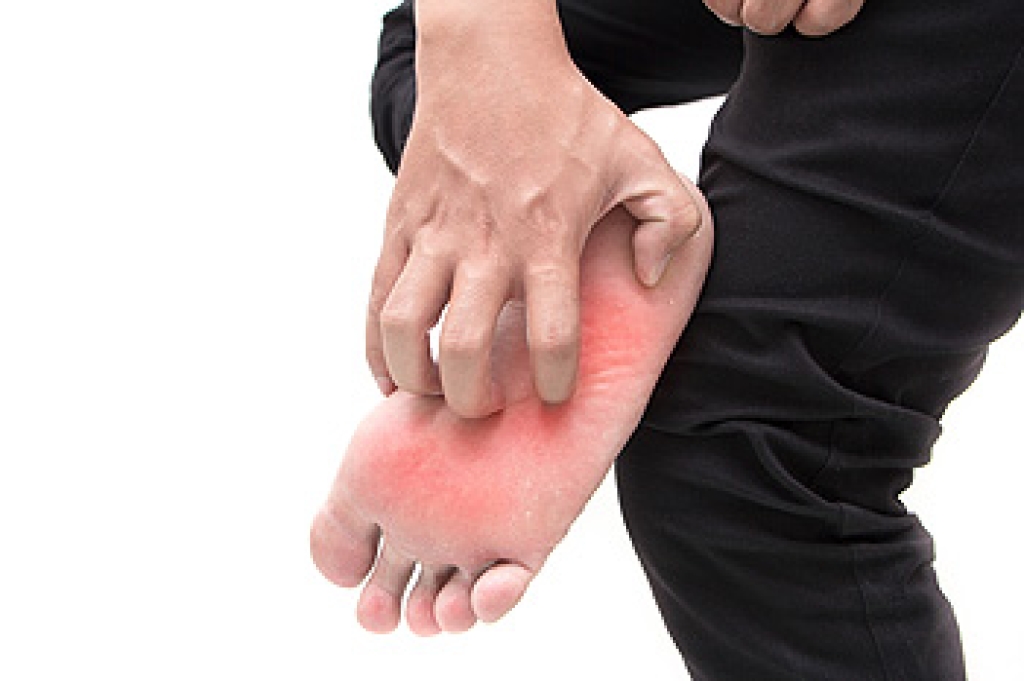 A fungus that lives on the toes and the bottom of feet is referred to as athlete’s foot. Public pools and showers are often a breeding ground for this type of fungus, and it may appear on your feet if you tend to walk barefoot in these areas. Parents may suggest wearing flip flops or shower shoes in public areas because they know the fungus can spread. There may be several signs you may notice that can indicate this condition is evident, including any blistered or cracked skin especially between the toes, severe itching, or a rash that appears on the inside of the foot. There are simple yet effective ways to prevent athlete’s foot from developing. Washing and drying the feet is important in keeping this ailment from spreading, and wearing proper footwear in public areas will decrease the chances of this condition from growing. If you have any symptoms relating to athletes foot, please ask your parents to schedule a consultation with a podiatrist for additional information.
Athlete’s foot is an inconvenient condition that can be easily reduced with the proper treatment. If you have any concerns about your feet and ankles, contact Jed Wells, DPM from Jed Wells, DPM Foot Specialist. Our doctor will treat your foot and ankle needs.
Athlete’s Foot: The Sole Story
Athlete's foot, also known as tinea pedis, can be an extremely contagious foot infection. It is commonly contracted in public changing areas and bathrooms, dormitory style living quarters, around locker rooms and public swimming pools, or anywhere your feet often come into contact with other people.
Solutions to Combat Athlete’s Foot
Athlete’s foot can cause many irritating symptoms such as dry and flaking skin, itching, and redness. Some more severe symptoms can include bleeding and cracked skin, intense itching and burning, and even pain when walking. In the worst cases, Athlete’s foot can cause blistering as well. Speak to your podiatrist for a better understanding of the different causes of Athlete’s foot, as well as help in determining which treatment options are best for you.
If you have any questions please feel free to contact our office located in Corpus Christi, TX . We offer the newest diagnostic and treatment technologies for all your foot and ankle needs.
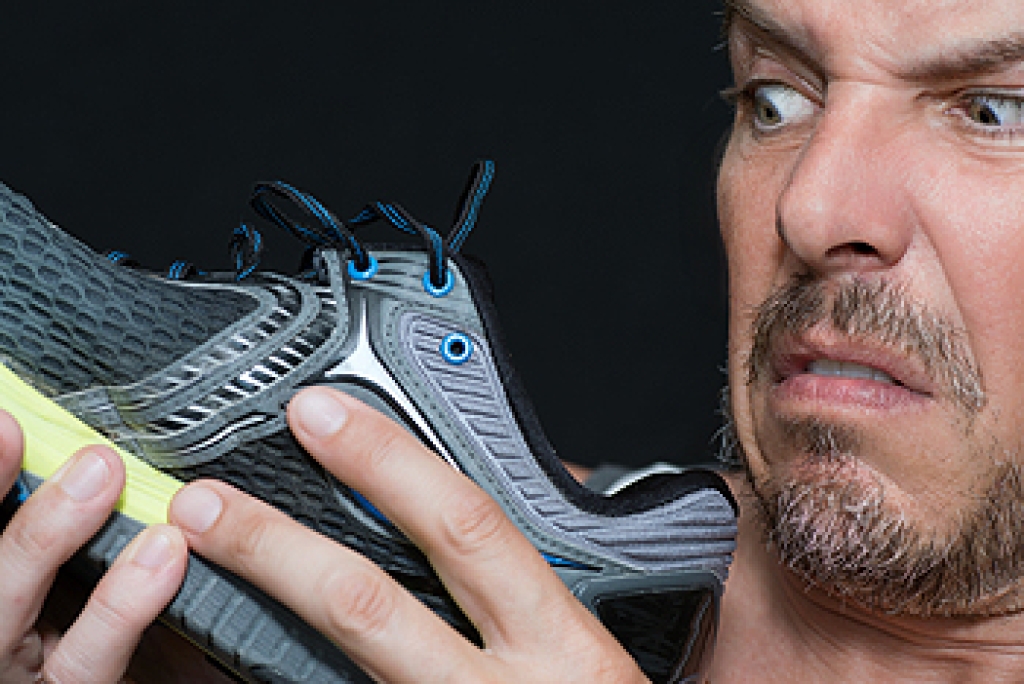 There are numerous sweat glands in the body, also known as eccrine glands. When these glands are overactive, excessive sweating can come from the feet, which is a condition known as plantar hyperhidrosis. Numerous side effects may often accompany this ailment because the skin is consistently moist. These may include scaling of the feet, especially in between the toes. Additionally, inflammation of the skin, blisters, and itchy feet are among the many conditions that can occur from hyperhidrosis. If the type of footwear that is worn includes insulated or waterproof shoes, the feet can produce an abnormal amount of sweat resulting in discomfort. It’s important to choose shoes that allows the feet to breath, and this will generally help to control any excessive sweating that may occur. A consultation with a podiatrist may be suggested for information and advice on how to control plantar hyperhidrosis.
If you are suffering from hyperhidrosis contact Jed Wells, DPM of Jed Wells, DPM Foot Specialist. Our doctor can provide the care you need to attend to all of your foot and ankle needs.
Hyperhidrosis of the Feet
Hyperhidrosis is a rare disorder that can cause people to have excessive sweating of their feet. This can usually occur all on its own without rigorous activity involved. People who suffer from hyperhidrosis may also experience sweaty palms.
Although it is said that sweating is a healthy process meant to cool down the body temperature and to maintain a proper internal temperature, hyperhidrosis may prove to be a huge hindrance on a person’s everyday life.
Plantar hyperhidrosis is considered to be the main form of hyperhidrosis. Secondary hyperhidrosis can refer to sweating that occurs in areas other than the feet or hands and armpits. Often this may be a sign of it being related to another medical condition such as menopause, hyperthyroidism and even Parkinson’s disease.
In order to alleviate this condition, it is important to see your doctor so that they may prescribe the necessary medications so that you can begin to live a normal life again. If this is left untreated, it is said that it will persist throughout an individual’s life.
A last resort approach would be surgery, but it is best to speak with your doctor to find out what may be the best treatment for you.
If you have any questions, please feel free to contact our office located in Corpus Christi, TX . We offer the newest diagnostic and treatment technologies for all your foot care needs.
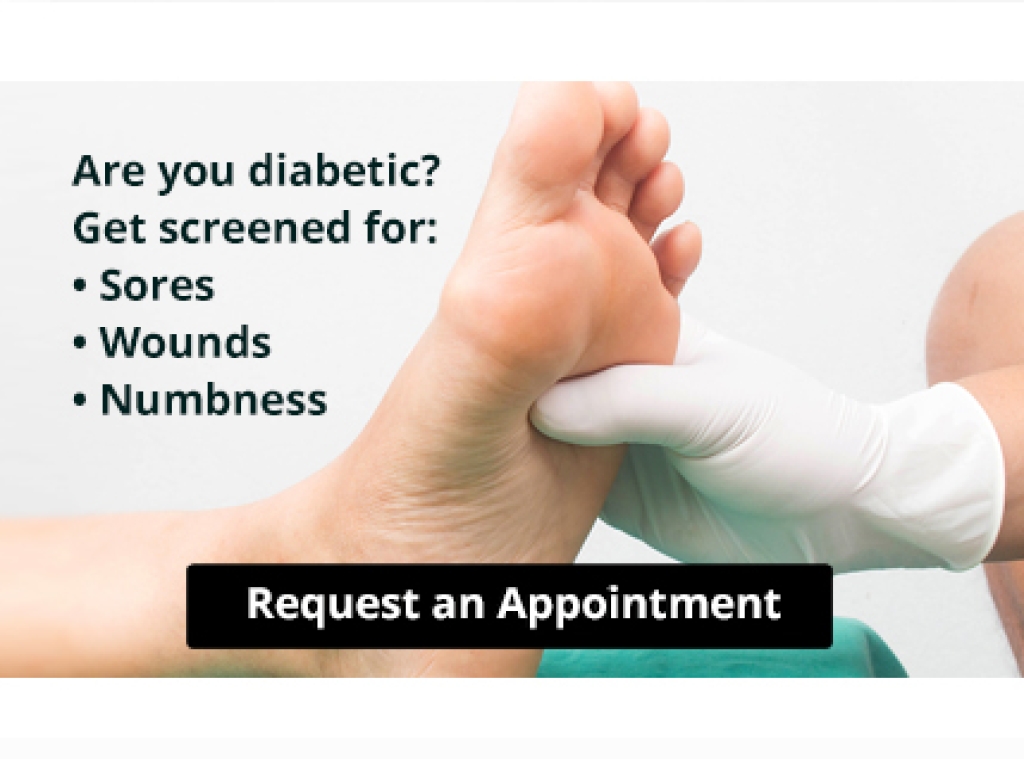
Your feet are covered most of the day. If you're diabetic, periodic screening is important for good health. Numbness is often a sign of diabetic foot and can mask a sore or wound.