
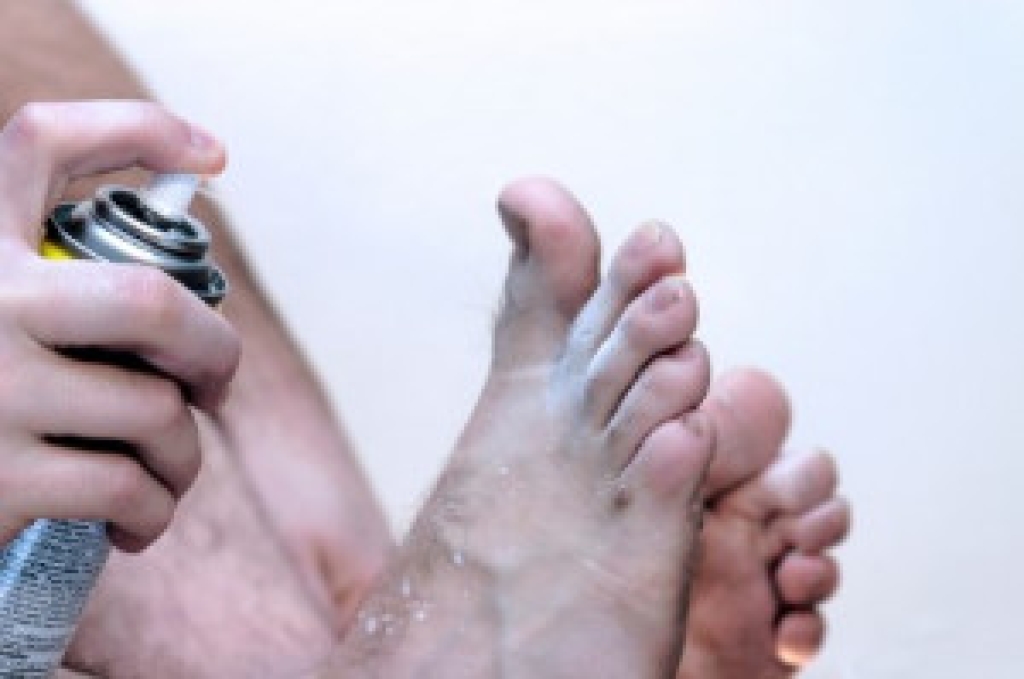
 Athlete’s foot is a condition that often affects the skin between the toes. The skin will become soft from moisture development and may peel away effortlessly, in addition to possibly having an unpleasant odor. Severe itching generally accompanies athlete’s foot and is often caused by a bacterial infection. Medical conditions such as eczema or psoriasis may also be possible pre-existing conditions that help athlete’s foot develop. It may be prevalent in people who are involved in sports because of the heavy sweating that’s often produced. If public showers are used, it’s suggested that shoes are worn to protect the feet against fungus that may be present on the shower floor. A common method for diagnosing athlete’s foot involves scraping off a portion of the affected area to observe for any signs of infection. If you find that you have athlete’s foot, it’s important to dry your feet thoroughly, particularly in between the toes, and choose shoes that give the toes ample room for movement. Treatment may include using an antifungal ointment and powder for extended relief.
Athlete’s foot is an inconvenient condition that can be easily reduced with the proper treatment. If you have any concerns about your feet and ankles, contact Jed Wells, DPM from Jed Wells, DPM Foot Specialist. Our doctor will treat your foot and ankle needs.
Athlete’s Foot: The Sole Story
Athlete's foot, also known as tinea pedis, can be an extremely contagious foot infection. It is commonly contracted in public changing areas and bathrooms, dormitory style living quarters, around locker rooms and public swimming pools, or anywhere your feet often come into contact with other people.
Solutions to Combat Athlete’s Foot
Athlete’s foot can cause many irritating symptoms such as dry and flaking skin, itching, and redness. Some more severe symptoms can include bleeding and cracked skin, intense itching and burning, and even pain when walking. In the worst cases, Athlete’s foot can cause blistering as well. Speak to your podiatrist for a better understanding of the different causes of Athlete’s foot, as well as help in determining which treatment options are best for you.
If you have any questions please feel free to contact our office located in Corpus Christi, TX . We offer the newest diagnostic and treatment technologies for all your foot and ankle needs.

Your feet are covered most of the day. If you're diabetic, periodic screening is important for good health. Numbness is often a sign of diabetic foot and can mask a sore or wound.
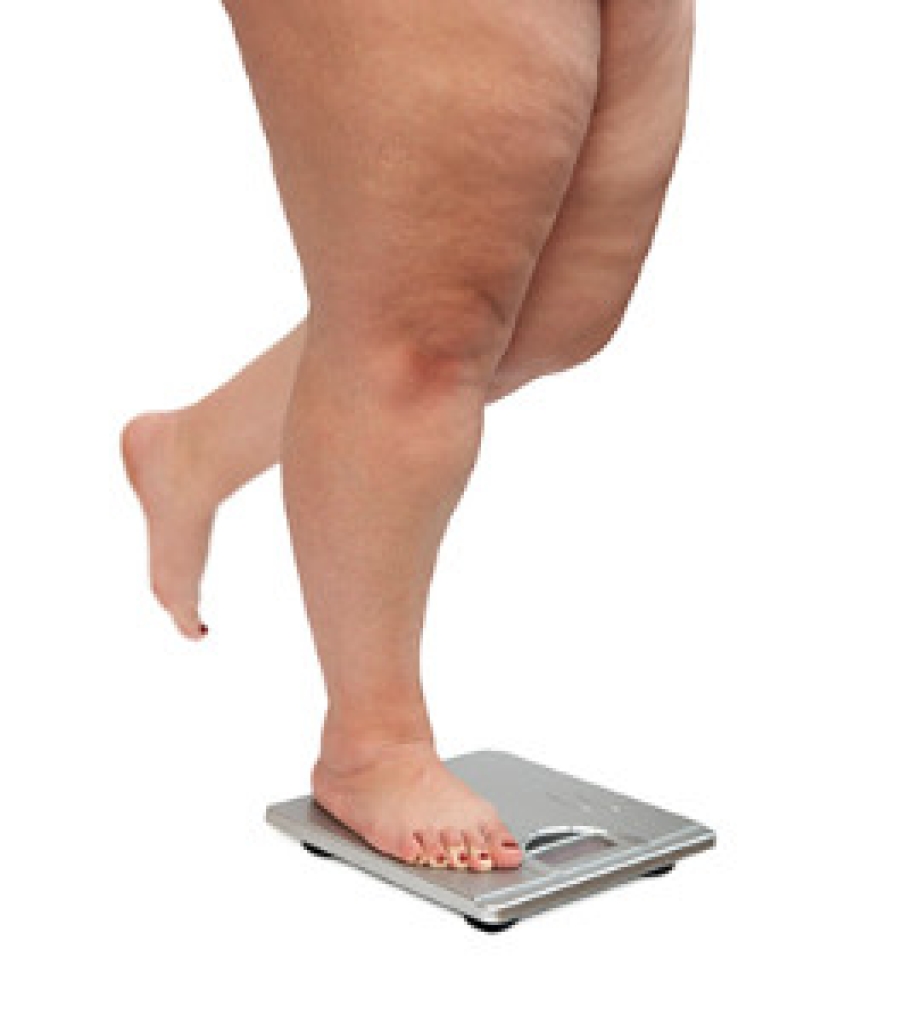 Fallen arches are a common result of being obese. The feet provide a natural support system for the body, and imbalance may occur due to the excess weight the feet must withstand. The feet may also grow in size due to excess pressure and swelling. The ankles will be surrounded by fat tissues and cells, which may cause immense pain and difficulty walking. Pressure that settles on the ankle often makes it painful to wear shoes. Bending over to put them on may be challenging because of the additional weight the body must endure. Fat and sugar deposits surrounding the ankle may weaken the structure of the foot, commonly causing serious complications and discomfort. This condition may be prevented by implementing dietary and lifestyle changes, thus improving not only the general health of the feet, but the rest of the body as well.
Obesity has become very problematic at this point in time and can have extremely negative effects on the feet. If you’re an obese individual and are concerned about your feet, contact Jed Wells, DPM from Jed Wells, DPM Foot Specialist. Our doctor can provide the care you need to keep you pain-free and on your feet.
Obesity and Your Feet
Since your feet are what support your entire weight when standing, any additional weight can result in pain and swelling. Being overweight is one of the main contributors to foot complications.
Problems & Complications
Extra Weight – Even putting on just a few extra pounds could create serious complications for your feet. As your weight increases, your balance and body will shift, creating new stresses on your feet. This uneven weight distribution can cause pain, even while doing the simplest tasks, such as walking.
Diabetes – People who are overweight are at serious risk of developing type-2 diabetes, which has a drastic impact on the health of your feet. As you get older, your diabetes might worsen, which could lead to loss of feeling in your feet, sores, and bruises. You could also become more prone to various infections.
Plantar fasciitis – Pressure and stress that is placed on muscles, joints, and tendons can trigger plantar fasciitis, which is an inflammation of tissue that forms along the bottom of the foot.
If you have any questions, please feel free to contact our office located in Corpus Christi, TX . We offer the newest diagnostic and treatment technologies for all your foot care needs.

You don't need an excuse to have beautiful nails. Step outside without worrying about the appearance of your feet.