
Suffering from this type of pain? You may have the foot condition known as Morton's neuroma. Morton's neuroma may develop as a result of ill-fitting footwear and existing foot deformities. We can help.
Suffering from this type of pain? You may have the foot condition known as Morton's neuroma. Morton's neuroma may develop as a result of ill-fitting footwear and existing foot deformities. We can help.
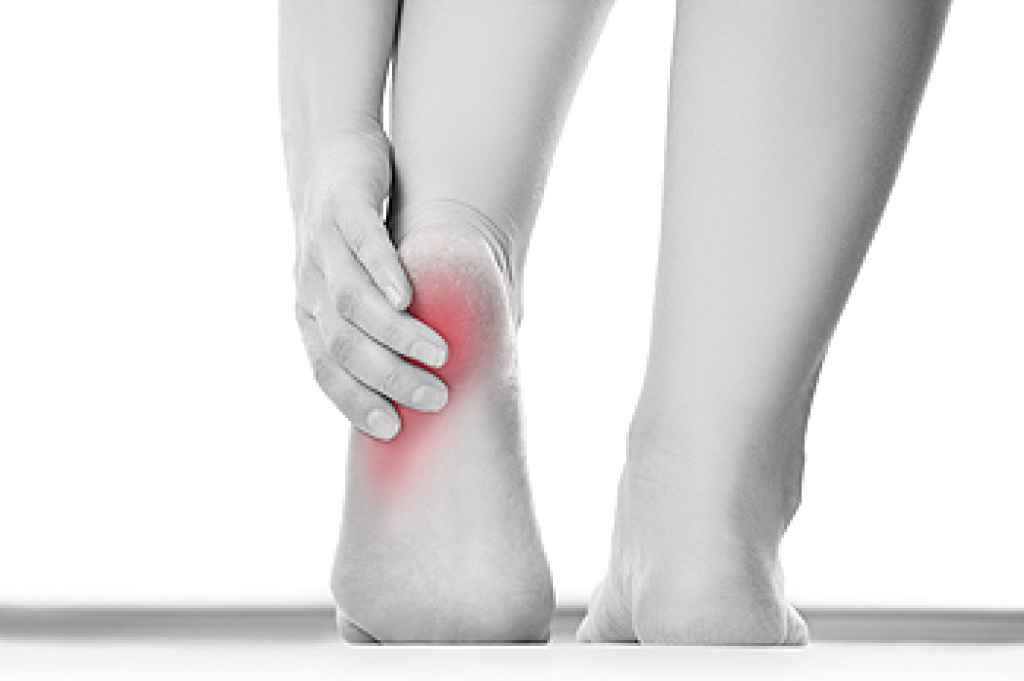 If you experience sharp pains in your heels when you wake up in the morning, there is a chance you could have a heel spur. Heel spurs are calcium deposits that cause a bony protrusion beneath the heel bone. This ailment is typically associated with another heel condition called plantar fasciitis. There are often no symptoms that accompany having a heel spur. Nevertheless, there are factors that may make some people more likely to suffer from heel spurs than others. Those who run often, have gait abnormalities, are obese, or wear poorly fitting shoes are more likely to develop a heel spur.
Heel spurs can be incredibly painful and sometimes may make you unable to participate in physical activities. To get medical care for your heel spurs, contact Jed Wells, DPM from Jed Wells, DPM Foot Specialist. Our doctor will do everything possible to treat your condition.
Heels Spurs
Heel spurs are formed by calcium deposits on the back of the foot where the heel is. This can also be caused by small fragments of bone breaking off one section of the foot, attaching onto the back of the foot. Heel spurs can also be bone growth on the back of the foot and may grow in the direction of the arch of the foot.
Older individuals usually suffer from heel spurs and pain sometimes intensifies with age. One of the main condition's spurs are related to is plantar fasciitis.
Pain
The pain associated with spurs is often because of weight placed on the feet. When someone is walking, their entire weight is concentrated on the feet. Bone spurs then have the tendency to affect other bones and tissues around the foot. As the pain continues, the feet will become tender and sensitive over time.
Treatments
There are many ways to treat heel spurs. If one is suffering from heel spurs in conjunction with pain, there are several methods for healing. Medication, surgery, and herbal care are some options.
If you have any questions, please feel free to contact our office located in Corpus Christi, TX . We offer the newest diagnostic and treatment technologies for all your foot care needs.

Have your child's feet been examined lately? Healthy feet are happy feet. If your child is complaining of foot pain, it may be a sign of underlying problems.
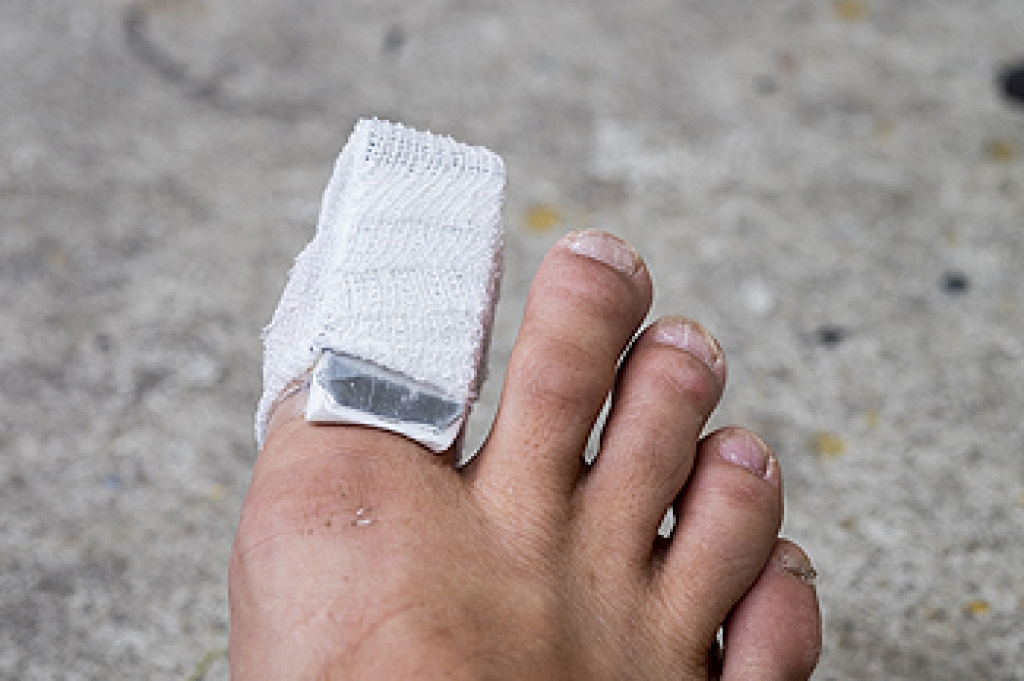 Many bones are located in the foot and they all work together to provide optimum balance necessary to effectively walk and run. If something heavy should fall on your toe or if you fall down, you may experience pain and discomfort due to a broken toe. You may notice the obvious symptoms, which may include bruising and swelling, or continued pain and throbbing. Research has shown the importance of having a proper diagnosis performed, which most likely will include having an X-ray taken. If a broken toe is confirmed, treatment should commence as quickly as possible. This may include taping the toe to the toe next to it, resetting the bone for more severe fractures, or undergoing surgery. Please consult with a podiatrist for advice on how to treat a broken toe.
Broken toes may cause a lot of pain and should be treated as soon as possible. If you have any concerns about your feet, contact Jed Wells, DPM from Jed Wells, DPM Foot Specialist. Our doctor will treat your foot and ankle needs.
What Is a Broken Toe?
A broken toe occurs when one or more of the toe bones of the foot are broken after an injury. Injuries such as stubbing your toe or dropping a heavy object on it may cause a toe fracture.
Symptoms of a Broken Toe
Although the injured toe should be monitored daily, it is especially important to have a podiatrist look at your toe if you have severe symptoms. Some of these symptoms include worsening or new pain that is not relieved with medication, sores, redness, or open wounds near the toe.
If you have any questions please feel free to contact our office located in Corpus Christi, TX . We offer the newest diagnostic tools and technology to treat your foot and ankle needs.