
Same Day or Next Day Appointments Available
Se Habla Español

Blog

Two Types of Corns on the Feet

Many patients who develop corns on their feet are often aware of the intense discomfort they can cause. A hard corn typically forms on the bottom of the foot, and can be caused by wearing shoes that do not fit correctly. Soft corns form between the toes, and can cause severe pain, which may change the way you walk. Relief can be found when the correct shoe size is worn, as this can help to eliminate the pressure that caused the corn to develop. Some patients find it helpful to soak their feet in warm water, as this may help to soften the corn. Corns on the feet can be debilitating, and they may affect everyday activities. If you are struggling with corns, it is strongly suggested that you consult with a podiatrist who can offer the best treatment options for you.

If you have any concerns regarding your feet and ankles, contact Jed Wells, DPM of Jed Wells, DPM Foot Specialist. Our doctor will treat your foot and ankle needs.

Corns: What Are They? and How Do You Get Rid of Them?
Corns can be described as areas of the skin that have thickened to the point of becoming painful or irritating. They are often layers and layers of the skin that have become dry and rough, and are normally smaller than calluses.

Ways to Prevent Corns
There are many ways to get rid of painful corns such as wearing:

  • Well-fitting socks
  • Comfortable shoes that are not tight around your foot
  • Shoes that offer support

Treating Corns
Treatment of corns involves removing the dead skin that has built up in the specific area of the foot. Consult with Our doctor to determine the best treatment option for your case of corns.

If you have any questions, please feel free to contact our office located in Corpus Christi, TX . We offer the newest diagnostic and treatment technologies for all your foot care needs.

Read more about Understanding Corns and Calluses

Are You Suffering From Ingrown Toenails?

If left untreated, an ingrown toenail can lead to more serious concerns, such as an infection. Knowing proper nail care can help in the prevention of an ingrown toenail. Give us a call, and get treated!

External Fixation for Ankle Fractures

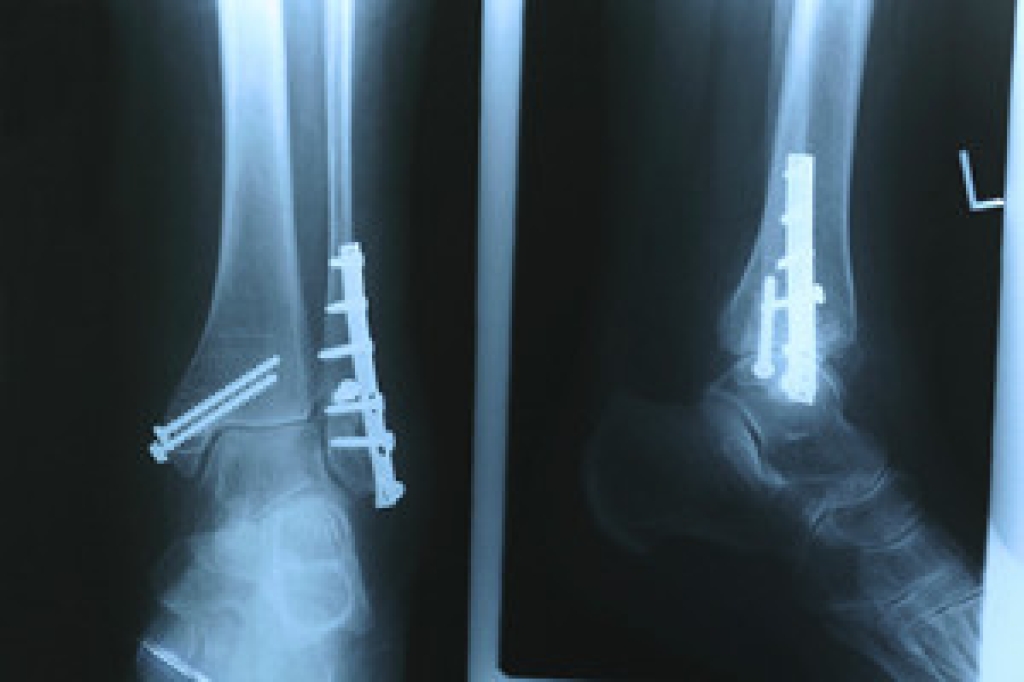
A broken ankle sometimes requires surgery to fully heal. One method of ankle fracture surgery is external fixation. This surgery is done when the fractured bones are not in their normal positions, are broken into several pieces, or are sticking out through the skin. In an external fixation surgery, pins and other devices sticking out of the ankle hold together the broken pieces of bones within the ankle while they heal. You will likely need to avoid physical activity for a period of months while the bones heal. You may require antibiotics, pain medications, and physical therapy following the surgery to prevent infections, reduce pain, and speed recovery. For more information about ankle fractures, please consult with a podiatrist.

Broken ankles need immediate treatment. If you are seeking treatment, contact Jed Wells, DPM from Jed Wells, DPM Foot Specialist. Our doctor can provide the care you need to keep you pain-free and on your feet. 

Broken Ankles
A broken ankle is experienced when a person fractures their tibia or fibula in the lower leg and ankle area. Both of these bones are attached at the bottom of the leg and combine to form what we know to be our ankle.

When a physician is referring to a break of the ankle, he or she is usually referring to a break in the area where the tibia and fibula are joined to create our ankle joint. Ankles are more prone to fractures because the ankle is an area that suffers a lot of pressure and stress. There are some obvious signs when a person experiences a fractured ankle, and the following symptoms may be present.

Symptoms of a Fractured Ankle

  • Excessive pain when the area is touched or when any pressure is placed on the ankle
  • Swelling around the area
  • Bruising of the area
  • Area appears to be deformed

If you suspect an ankle fracture, it is recommended to seek treatment as soon as possible. The sooner you have your podiatrist diagnose the fracture, the quicker you’ll be on the way towards recovery.

If you have any questions, please feel free to contact our office located in Corpus Christi, TX . We offer the newest diagnostic and treatment technologies for all your foot care needs.
Read more about All About Broken Ankles

Ankle Sprains in Children

Ankle sprains are a common occurrence in children because they are often engaged in physical activities that involve jumping, running, and changing direction abruptly. These sprains happen when the ligaments holding the bones in the ankle together become overly stretched, or torn. Symptoms of an ankle sprain include swelling, pain on the outside of the ankle, and bruising. While the RICE strategy (Rest-Ice-Compression-Elevation) can help ease pain and swelling, a podiatrist should examine your child to rule out a broken ankle, and help treat more severe strains properly.

Although ankle sprains are common, they aren’t always minor injuries. If you need your ankle injury looked at, contact Jed Wells, DPM from Jed Wells, DPM Foot Specialist. Our doctor can provide the care you need to keep you pain-free and on your feet.

How Does an Ankle Sprain Occur?

Ankle sprains are the result of a tear in the ligaments within the ankle. These injuries may happen when you make a rapid shifting movement while your foot is planted. A less common way to sprain your ankle is when your ankle rolls inward while your foot turns outward.

What Are the Symptoms?

  • Pain at the sight of the tear
  • Bruising/Swelling
  • Ankle area is tender to touch
  • In severe cases, may hear/feel something tear
  • Skin discoloration

Preventing a Sprain

  • Wearing appropriate shoes for the occasion
  • Stretching before exercises and sports
  • Knowing your limits

Treatment of a Sprain

In many cases, the RICE method (Rest, Ice, Compression, and Elevate) is used to treat ankle sprains. However, you should see a podiatrist to see which treatment option would work best with your injury. In severe cases, surgery may be required.

It is important to ask your doctor about rehab options after you receive treatment for your injury. Stretching, strength training, and balance exercises may help the ankle heal while also preventing further injury.

If you have any questions, please feel free to contact our office located in Corpus Christi, TX . We offer the newest diagnostic and treatment technologies for all your foot care needs.

Read more about Ankle Sprains

Why Do My Arches Hurt?

Pain in the arches on the bottom of the feet is a common problem that can have many different causes. Plantar fasciitis, an inflammation of the plantar fascia, can lead to arch pain due to overstretching and pulling on this ligament from repetitive activities like running and jumping. Arch pain may also result from abnormalities in your gait or walking pattern. Arch pain may be especially prevalent in people whose feet overpronate or roll too much inwards when they walk. Walking, standing, or running for prolonged periods of time, being overweight, or having tight Achilles tendons or calf muscles are other risk factors for developing arch pain. If you have pain in your feet, it is recommended that you consult with a podiatrist.

Foot Pain

Foot pain can be extremely painful and debilitating. If you have a foot pain, consult with Jed Wells, DPM from Jed Wells, DPM Foot Specialist. Our doctor will assess your condition and provide you with quality foot and ankle treatment.

Causes

Foot pain is a very broad condition that could be caused by one or more ailments. The most common include:

  • Bunions
  • Hammertoes
  • Plantar Fasciitis
  • Bone Spurs
  • Corns
  • Tarsal Tunnel Syndrome
  • Ingrown Toenails
  • Arthritis (such as Gout, Rheumatoid, and Osteoarthritis)
  • Flat Feet
  • Injury (from stress fractures, broken toe, foot, ankle, Achilles tendon ruptures, and sprains)
  • And more

Diagnosis

To figure out the cause of foot pain, podiatrists utilize several different methods. This can range from simple visual inspections and sensation tests to X-rays and MRI scans. Prior medical history, family medical history, and any recent physical traumatic events will all be taken into consideration for a proper diagnosis.

Treatment

Treatment depends upon the cause of the foot pain. Whether it is resting, staying off the foot, or having surgery; podiatrists have a number of treatment options available for foot pain.

If you have any questions, please feel free to contact our office located in Corpus Christi, TX . We offer the newest diagnostic and treatment technologies for all your foot care needs.

Read more about Foot Pain
Connect with us