
Same Day or Next Day Appointments Available
Se Habla Español

Blog

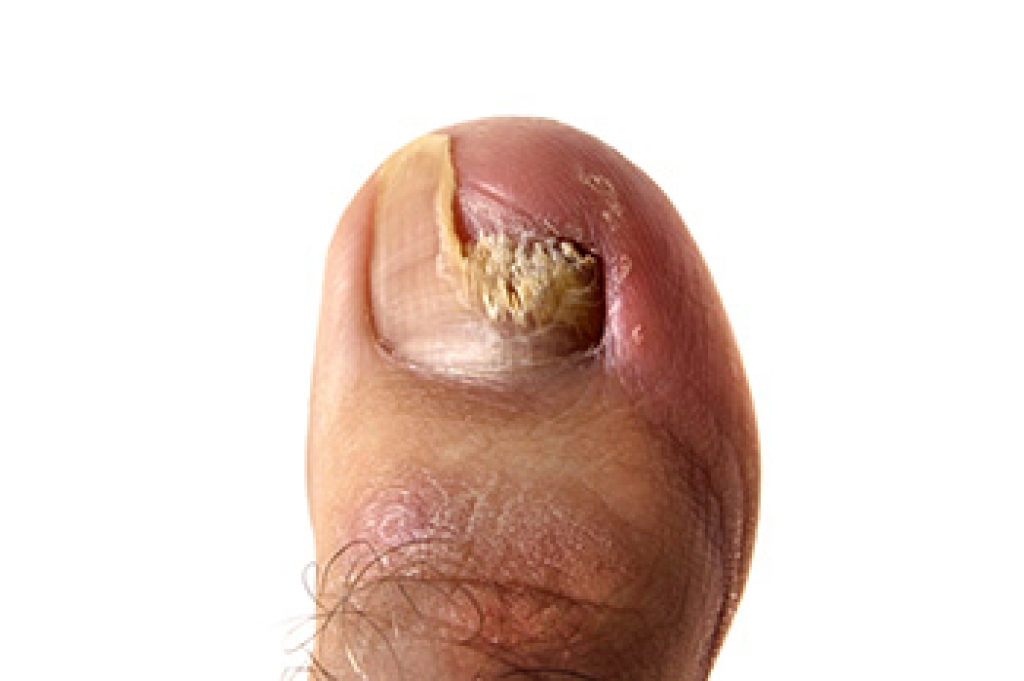
Managing an Ingrown Toenail

An ingrown toenail occurs when the side or corner of the nail grows into the surrounding skin, often resulting in pain, redness, and swelling. This condition most commonly affects the big toe and can worsen if left untreated. A podiatrist can diagnose an ingrown toenail by examining the affected area and evaluating any signs of infection, such as pus, warmth, or foul odor. If an infection is present, antibiotics may be prescribed. In moderate to severe cases, a podiatrist may recommend surgery to remove a portion of the nail, a procedure known as a partial nail avulsion. Additional options like splinting or bracing may be used to help the nail grow in the correct direction. People with diabetes or poor circulation are at a higher risk for complications and should seek prompt medical care. If you have an ingrown toenail that is causing pain, it is suggested that you schedule an appointment with a podiatrist for appropriate treatment.

Ingrown toenails can become painful if they are not treated properly. For more information about ingrown toenails, contact Jed Wells, DPM of Jed Wells, DPM Foot Specialist. Our doctor can provide the care you need to keep you pain-free and on your feet.

Ingrown Toenails

Ingrown toenails occur when a toenail grows sideways into the bed of the nail, causing pain, swelling, and possibly infection.

Causes

  • Bacterial infections
  • Improper nail cutting such as cutting it too short or not straight across
  • Trauma to the toe, such as stubbing, which causes the nail to grow back irregularly
  • Ill-fitting shoes that bunch the toes too close together
  • Genetic predisposition

Prevention

Wearing proper fitting shoes and using proper cutting techniques will also help decrease your risk of developing ingrown toenails.

Treatment

Ingrown toenails are a very treatable foot condition. In minor cases, soaking the affected area in salt or antibacterial soaps will not only help with the ingrown nail itself, but also help prevent any infections from occurring. In more severe cases, surgery is an option. In either case, speaking to your podiatrist about this condition will help you get a better understanding of specific treatment options that are right for you.

If you have any questions, please feel free to contact our office located in Corpus Christi, TX . We offer the newest diagnostic and treatment technologies for all your foot care needs.


Read more about Ingrown Toenail Care

Wounds That Don't Heal Need to Be Checked

Your feet are covered most of the day. If you're diabetic, periodic screening is important for good health. Numbness is often a sign of diabetic foot and can mask a sore or wound.

Managing Foot Cramps

Foot cramps are sudden, involuntary muscle spasms that can cause sharp, intense pain in the feet or toes. These cramps can last from a few seconds to several minutes, and may feel like the muscles are tight, knotted, or twitching. Common causes include physical activity, prolonged standing, dehydration, medication side effects, or underlying health conditions like nerve issues or circulation problems. Poorly fitting shoes and lack of support can also trigger foot cramps, especially during exercise or at night. While most cramps go away with gentle stretching, massaging, or walking, frequent or severe cramps may signal an underlying issue. A podiatrist can assess your symptoms, review your medical history, and recommend proper footwear, orthotics, stretching routines, or hydration strategies. They may also evaluate for circulatory or nerve-related causes and suggest treatments accordingly. If you have foot cramps, it is suggested that you schedule an appointment to see a podiatrist.

Foot Pain

Foot pain can be extremely painful and debilitating. If you have a foot pain, consult with Jed Wells, DPM from Jed Wells, DPM Foot Specialist. Our doctor will assess your condition and provide you with quality foot and ankle treatment.

Causes

Foot pain is a very broad condition that could be caused by one or more ailments. The most common include:

  • Bunions
  • Hammertoes
  • Plantar Fasciitis
  • Bone Spurs
  • Corns
  • Tarsal Tunnel Syndrome
  • Ingrown Toenails
  • Arthritis (such as Gout, Rheumatoid, and Osteoarthritis)
  • Flat Feet
  • Injury (from stress fractures, broken toe, foot, ankle, Achilles tendon ruptures, and sprains)
  • And more

Diagnosis

To figure out the cause of foot pain, podiatrists utilize several different methods. This can range from simple visual inspections and sensation tests to X-rays and MRI scans. Prior medical history, family medical history, and any recent physical traumatic events will all be taken into consideration for a proper diagnosis.

Treatment

Treatment depends upon the cause of the foot pain. Whether it is resting, staying off the foot, or having surgery; podiatrists have a number of treatment options available for foot pain.

If you have any questions, please feel free to contact our office located in Corpus Christi, TX . We offer the newest diagnostic and treatment technologies for all your foot care needs.
Read more about Foot Pain

Definition and Risk Factors for Toenail Fungus

Toenail fungus, also known as onychomycosis, is a common infection that affects the toenails, causing them to become discolored, thickened, brittle, and sometimes painful. This condition is caused by fungi that thrive in warm, moist environments, such as locker rooms, public shower areas, and inside tight or poorly ventilated shoes. The fungus enters through small cracks or breaks in the nail or surrounding skin. Certain risk factors increase the likelihood of developing toenail fungus, including advancing age, reduced blood circulation, weakened immune function, and frequent exposure to damp conditions. People with diabetes or a history of athlete's foot are also more susceptible. If you have developed this condition, it is suggested that you contact a podiatrist who can offer you appropriate treatment options.

For more information about treatment, contact Jed Wells, DPM of Jed Wells, DPM Foot Specialist. Our doctor can provide the care you need to keep you pain-free and on your feet.

Toenail Fungus Treatment

Toenail fungus is a condition that affects many people and can be especially hard to get rid of. Fortunately, there are several methods to go about treating and avoiding it.

Antifungals & Deterrence

Oral antifungal medicine has been shown to be effective in many cases. It is important to consult with a podiatrist to determine the proper regiment for you, or potentially explore other options.

Applying foot powder on the feet and shoes helps keep the feet free of moisture and sweat.

Sandals or open toed shoes – Wearing these will allow air movement and help keep feet dry. They also expose your feet to light, which fungus cannot tolerate. Socks with moisture wicking material also help as well.

If you have any questions please contact our office located in Corpus Christi, TX . We offer the newest diagnostic and treatment technologies for all your foot and ankle needs.

Read more about Treating Toenail Fungus

Types of Heel Pain

Heel pain can affect individuals of all ages. It is not tied to your level of activity, but often stems from conditions like plantar fasciitis, heel spurs, Achilles tendonitis, or bursitis. Plantar fasciitis, a leading cause of heel pain, occurs when the ligament supporting the foot’s arch becomes inflamed due to overuse or stress. The pain is often sharp, especially with the first few steps in the morning. Heel spurs, which are bony growths on the heel, can develop from prolonged strain on the foot. Achilles tendonitis causes pain at the back of the heel where the tendon connects to the calf muscle, often triggered by repetitive activity or poor footwear. Bursitis, inflammation of the fluid-filled sacs cushioning the heel, can also cause discomfort. A podiatrist can help identify the underlying cause of your heel pain through physical exams and diagnostic imaging like X-rays. Treatment may include rest, targeted exercises, orthotics, or even surgical options for severe cases. If you are experiencing ongoing heel pain, it is suggested that you make an appointment with a podiatrist.

Many people suffer from bouts of heel pain. For more information, contact Jed Wells, DPM of Jed Wells, DPM Foot Specialist. Our doctor can provide the care you need to keep you pain-free and on your feet.

Causes of Heel Pain

Heel pain is often associated with plantar fasciitis. The plantar fascia is a band of tissues that extends along the bottom of the foot. A rip or tear in this ligament can cause inflammation of the tissue.

Achilles tendonitis is another cause of heel pain. Inflammation of the Achilles tendon will cause pain from fractures and muscle tearing. Lack of flexibility is also another symptom.

Heel spurs are another cause of pain. When the tissues of the plantar fascia undergo a great deal of stress, it can lead to ligament separation from the heel bone, causing heel spurs.

Why Might Heel Pain Occur?

  • Wearing ill-fitting shoes                
  • Wearing non-supportive shoes
  • Weight change           
  • Excessive running

Treatments

Heel pain should be treated as soon as possible for immediate results. Keeping your feet in a stress-free environment will help. If you suffer from Achilles tendonitis or plantar fasciitis, applying ice will reduce the swelling. Stretching before an exercise like running will help the muscles. Using all these tips will help make heel pain a condition of the past.

If you have any questions, please feel free to contact our office located in Corpus Christi, TX . We offer the newest diagnostic and treatment technologies for all your foot care needs.

Read more about Heel Pain
Connect with us