Same Day or Next Day Appointments Available
Se Habla Español

Blog

What Are Neuropathic Foot Ulcers?

Neuropathy is a medical condition that affects the peripheral nerves, most commonly in the feet and legs. It occurs when nerves become damaged and are unable to properly transmit signals between the brain and the body. This can lead to altered sensation, pain, or complete loss of feeling in the affected areas. Neuropathy is a significant concern in podiatry because it increases the risk of foot injuries going unnoticed, which can lead to more serious complications, such as neuropathic ulcers. These are open sores that develop due to repeated pressure or unnoticed trauma in areas with reduced sensation.

Symptoms of neuropathy in the feet often begin gradually and may include tingling, burning sensations, numbness, or sharp shooting pain. Some individuals experience a feeling of walking on pins and needles, while others may notice a complete loss of feeling in parts of the foot. Neuropathic ulcers develop when minor injuries, blisters, or pressure points go unnoticed due to reduced sensation. These ulcers commonly appear on weight-bearing areas, such as the ball of the foot or heel. Because pain signals are diminished, the condition may progress without immediate awareness, increasing the risk of infection.

Risk factors for neuropathy include diabetes, chronic alcohol use, vitamin deficiencies, certain infections, and long-term exposure to toxins. Diabetes is one of the leading causes, as elevated blood sugar levels can damage nerves. Individuals with poor circulation or a history of foot deformities are also at higher risk of developing neuropathic ulcers. Repetitive pressure, ill-fitting footwear, and prolonged standing can worsen the condition and contribute to skin breakdown. Without proper care, neuropathic ulcers can become infected and may lead to more serious complications.

The causes of neuropathy involve damage to the peripheral nerves, which may result from metabolic, infectious, or mechanical factors. When nerve function is impaired, the protective sensation in the feet is reduced, making it difficult to detect injuries. Neuropathic ulcers form when continuous pressure or friction is applied to an area without the natural pain response that would normally trigger protective action. This leads to skin breakdown and open wounds that require specialized care. If you have neuropathy or have developed an ulcer, it is strongly suggested that you consult a podiatrist who can accurately diagnose and treat neuropathy foot ulcers.

Neuropathy

Neuropathy can be a potentially serious condition, especially if it is left undiagnosed. If you have any concerns that you may be experiencing nerve loss in your feet, consult with Jed Wells, DPM from Jed Wells, DPM Foot Specialist. Our doctor will assess your condition and provide you with quality foot and ankle treatment for neuropathy.

What Is Neuropathy?

Neuropathy is a condition that leads to damage to the nerves in the body. Peripheral neuropathy, or neuropathy that affects your peripheral nervous system, usually occurs in the feet. Neuropathy can be triggered by a number of different causes. Such causes include diabetes, infections, cancers, disorders, and toxic substances.

Symptoms of Neuropathy Include:

  • Numbness
  • Sensation loss
  • Prickling and tingling sensations
  • Throbbing, freezing, burning pains
  • Muscle weakness

Those with diabetes are at serious risk due to being unable to feel an ulcer on their feet. Diabetics usually also suffer from poor blood circulation. This can lead to the wound not healing, infections occurring, and the limb may have to be amputated.

Treatment

To treat neuropathy in the foot, podiatrists will first diagnose the cause of the neuropathy. Figuring out the underlying cause of the neuropathy will allow the podiatrist to prescribe the best treatment, whether it be caused by diabetes, toxic substance exposure, infection, etc. If the nerve has not died, then it’s possible that sensation may be able to return to the foot.

Pain medication may be issued for pain. Electrical nerve stimulation can be used to stimulate nerves. If the neuropathy is caused from pressure on the nerves, then surgery may be necessary.

If you have any questions, please feel free to contact our office located in Corpus Christi, TX . We offer the newest diagnostic and treatment technologies for all your foot care needs.

Read more about Neuropathy

Reminder: When Was the Last Time...?

Custom orthotics, or shoe inserts, should be periodically replaced. Orthotics must fit properly to give you the best results. Protect your feet and ankles!

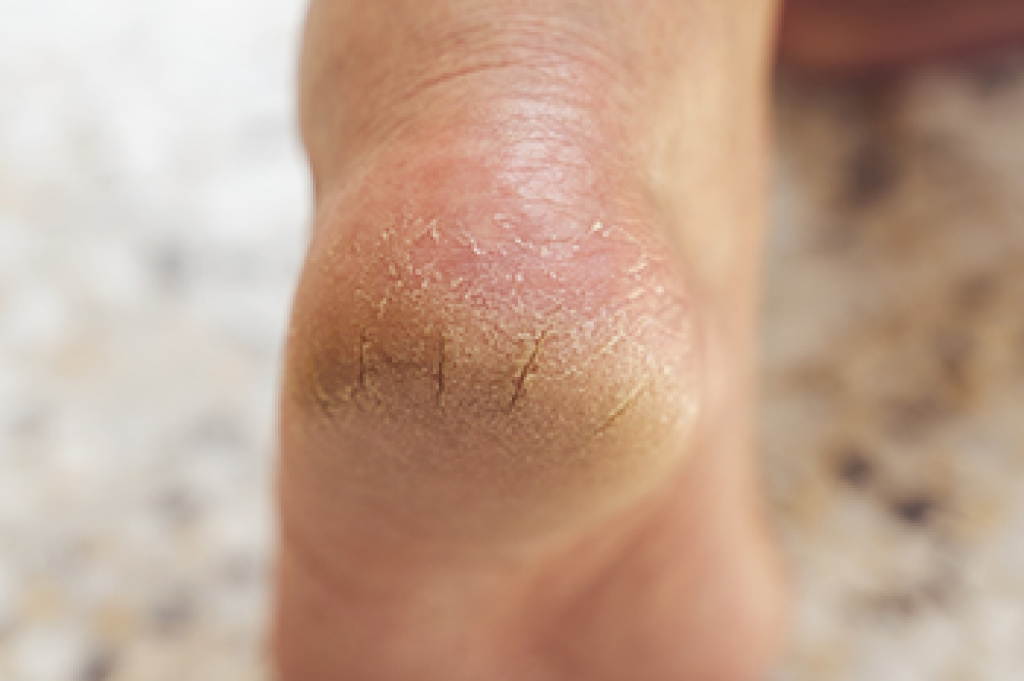
Seeking Podiatric Help for Cracked Heels

Cracked heels can range from a cosmetic concern to a source of significant discomfort. Also known as heel fissures, cracked heels develop when the skin surrounding the heel becomes dry, thickened, and less flexible. As pressure is placed on the heel during standing and walking, the skin may split and form visible cracks. In mild cases, cracked heels may cause little discomfort. However, deeper cracks can lead to pain, especially during daily activities. Some individuals may also notice rough skin, flaking, or tenderness around the affected area. Because the feet support the body's weight throughout the day, heel problems can quickly interfere with comfort and mobility.

Several factors can contribute to cracked heels. Dry skin is one of the most common causes, but age, prolonged standing, and certain medical conditions may also increase the risk. Excess pressure on the heels can cause the skin to expand outward, making it more likely to crack. In some cases, the skin becomes so thick and dry that deeper fissures develop. These cracks can become painful and may make walking difficult. If left unaddressed, severe cracks can increase the risk of infection, particularly when the skin barrier is damaged. Early evaluation is important for identifying contributing factors and preventing the condition from worsening.

Podiatric care can help address cracked heels by evaluating the condition of the skin and identifying underlying causes. A podiatrist can assess the severity of the cracks and determine whether additional foot-related issues are contributing to the problem. Professional treatment may help reduce discomfort, improve skin health, and support normal foot function. Because cracked heels can become increasingly painful, seeking care before complications develop is often beneficial. Maintaining healthy feet is important for overall mobility and quality of life. If you have pain from cracked heels, it is suggested that you consult a podiatrist for an evaluation and appropriate treatment options.

If the skin on your feet starts to crack, you may want to see a podiatrist to find treatment. If you have any concerns, contact Jed Wells, DPM from Jed Wells, DPM Foot Specialist. Our doctor can provide the care you need to keep you pain-free and on your feet.

Cracked Heels

It is important to moisturize your cracked heels in order to prevent pain, bleeding, and infection. The reason cracked heels form is because the skin on the foot is too dry to support the immense pressure placed on them. When the foot expands, the dry skin on the foot begins to split.

Ways to Help Heal Them

  • Invest in a good foot cream
  • Try Using Petroleum Jelly
  • Ease up on Soaps
  • Drink Plenty of Water

Ways to Prevent Cracked Heels

  • Moisturize After Showering
  • Skip a Shower
  • Keep Shower Water Lukewarm
  • Don’t Scrub Your Feet

If you are unsure how to proceed in treating cracked heels, seek guidance from a podiatrist. Your doctor will help you with any questions or information you may need. 

If you have any questions, please feel free to contact our office located in Corpus Christi, TX . We offer the newest diagnostic and treatment technologies for all your foot care needs.

Read more about Solutions for Cracked Heels

Gout and Sudden Big Toe Pain

Gout is a form of arthritis caused by a buildup of uric acid crystals in the joints. It often affects the big toe because this joint is more prone to temperature changes and stress, which can encourage crystal formation. Symptoms include sudden intense pain, redness, swelling, and warmth, often occurring at night. Risk factors include a diet high in purines, obesity, dehydration, certain medications, and family history. Without proper care, flare-ups may become more frequent and severe. A podiatrist can diagnose gout, provide treatment to relieve pain, and offer guidance on lifestyle changes to reduce future attacks. If you have symptoms of gout, it is strongly suggested that you are under the care of a podiatrist who can help you to manage this painful condition.

Gout is a painful condition that can be treated. If you are seeking treatment, contact Jed Wells, DPM from Jed Wells, DPM Foot Specialist. Our doctor will treat your foot and ankle needs.

What Is Gout?

Gout is a form of arthritis that is characterized by sudden, severe attacks of pain, redness, and tenderness in the joints. The condition usually affects the joint at the base of the big toe. A gout attack can occur at any random time, such as the middle of the night while you are asleep.

Symptoms

  • Intense Joint Pain - Usually around the large joint of your big toe, and it most severe within the first four to twelve hours
  • Lingering Discomfort - Joint discomfort may last from a few days to a few weeks
  • Inflammation and Redness -Affected joints may become swollen, tender, warm and red
  • Limited Range of Motion - May experience a decrease in joint mobility

Risk Factors

  • Genetics - If family members have gout, you’re more likely to have it
  • Medications - Diuretic medications can raise uric acid levels
  • Gender/Age - Gout is more common in men until the age of 60. It is believed that estrogen protects women until that point
  • Diet - Eating red meat and shellfish increases your risk
  • Alcohol - Having more than two alcoholic drinks per day increases your risk
  • Obesity - Obese people are at a higher risk for gout

Prior to visiting your podiatrist to receive treatment for gout, there are a few things you should do beforehand. If you have gout you should write down your symptoms--including when they started and how often you experience them, important medical information you may have, and any questions you may have. Writing down these three things will help your podiatrist in assessing your specific situation so that he or she may provide the best route of treatment for you.

If you have any questions, please feel free to contact our office located in Corpus Christi, TX . We offer the newest diagnostic and treatment technologies for all your foot care needs.

Read more about Gout

When Your Child Has Arthritis

Juvenile arthritis causes joint pain and swelling in children. It can affect the feet, ankles, knees, and other joints, making it harder for a child to walk, run, or stay active. Symptoms include stiffness in the morning, swollen joints, and pain while walking. Children may also feel tired or develop warmth and redness around the joints. When the feet and ankles are affected, children may limp or avoid certain activities because of discomfort. A podiatrist can examine how the child walks and check for joint changes in the feet. Treatment includes custom orthotics, supportive footwear, and braces that help reduce pressure on painful joints. Stretching exercises and monitoring foot growth can also help improve comfort and movement. If your child has foot or ankle pain linked to arthritis, it is suggested that you make an appointment with a podiatrist for an exam and treatment options.

Arthritis can be a difficult condition to live with. If you are seeking treatment, contact Jed Wells, DPM from Jed Wells, DPM Foot Specialist. Our doctor can provide the care you need to keep you pain-free and on your feet.

Arthritic Foot Care  

Arthritis is a term that is commonly used to describe joint pain.  The condition itself can occur to anyone of any age, race, or gender, and there are over 100 types of it.  Nevertheless, arthritis is more commonly found in women compared to men, and it is also more prevalent in those who are overweight. The causes of arthritis vary depending on which type of arthritis you have. Osteoarthritis for example, is often caused by injury, while rheumatoid arthritis is caused by a misdirected immune system.

Symptoms

  • Swelling
  • Pain
  • Stiffness
  • Decreased Range of Motion

Arthritic symptoms range in severity, and they may come and go. Some symptoms stay the same for several years but could potentially get worse with time. Severe cases of arthritis can prevent its sufferers from performing daily activities and make walking difficult.

Risk Factors

  • Occupation – Occupations requiring repetitive knee movements have been linked to osteoarthritis
  • Obesity – Excess weight can contribute to osteoarthritis development
  • Infection – Microbial agents can infect the joints and trigger arthritis
  • Joint Injuries – Damage to joints may lead to osteoarthritis
  • Age – Risk increases with age
  • Gender –Most types are more common in women
  • Genetics – Arthritis can be hereditary

If you suspect your arthritis is affecting your feet, it is crucial that you see a podiatrist immediately. Your doctor will be able to address your specific case and help you decide which treatment method is best for you.

If you have any questions please feel free to contact our office located in Corpus Christi, TX . We offer the newest diagnostic tools and technology to treat your foot and ankle needs.

Read more about Arthritic Foot Care
Connect with us