
Same Day or Next Day Appointments Available
Se Habla Español

Blog

Causes of Foot Pain During Pregnancy

Pregnancy brings many changes to the body, including foot pain caused by factors such as edema and flat feet. Swelling, or edema, occurs due to increased fluid retention and pressure on the veins, leading to discomfort and tenderness in the feet. Flat feet develop as hormonal changes loosen ligaments, causing the arches to flatten and resulting in strain on the muscles and joints. To alleviate discomfort, reducing salt intake can help minimize fluid retention, while maintaining a balanced diet supports overall circulation and tissue health. Gentle foot stretches improve flexibility and relieve tension, providing additional comfort. If foot pain is causing you difficulty completing daily tasks, it is suggested that you visit a podiatrist who can treat various foot conditions, and offer you additional relief methods.

Pregnant women with swollen feet can be treated with a variety of different methods that are readily available. For more information about other cures for swollen feet during pregnancy, consult with Jed Wells, DPM from Jed Wells, DPM Foot Specialist. Our doctor will attend to all of your foot and ankle needs.

What Foot Problems Can Arise During Pregnancy?

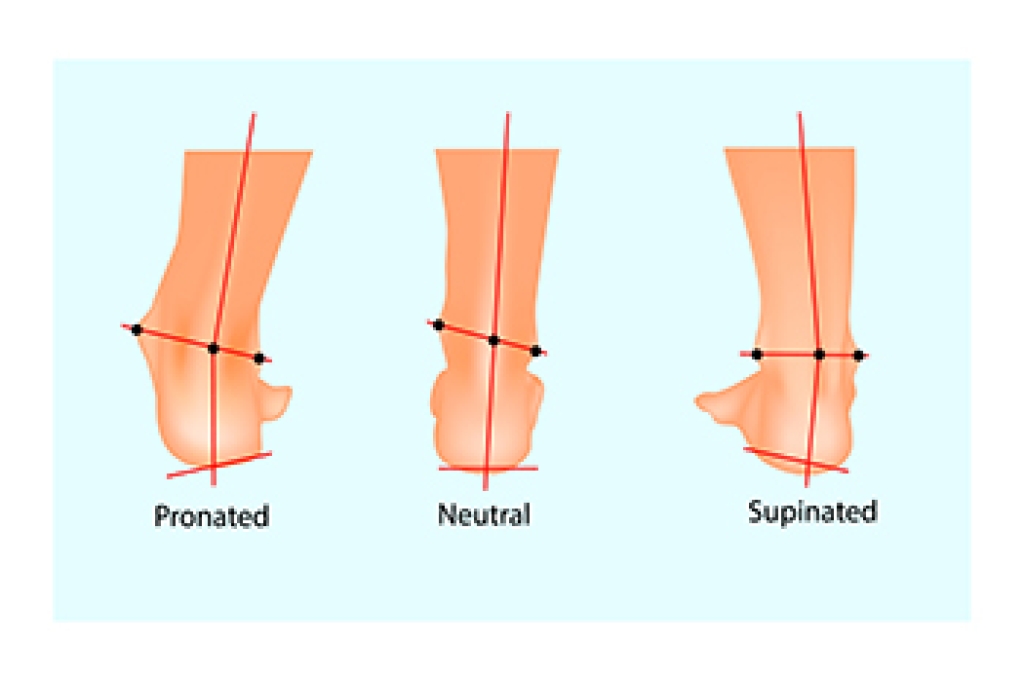
One problem that can occur is overpronation, which occurs when the arch of the foot flattens and tends to roll inward.  This can cause pain and discomfort in your heels while you’re walking or even just standing up, trying to support your baby.  

Another problem is edema, or swelling in the extremities. This often affects the feet during pregnancy but tends to occur in the later stages. 

How Can I Keep My Feet Healthy During Pregnancy?

  • Wearing orthotics can provide extra support for the feet and help distribute weight evenly
  • Minimize the amount of time spent walking barefoot
  • Wear shoes with good arch support
  • Wear shoes that allow for good circulation to the feet
  • Elevate feet if you experience swelling
  • Massage your feet
  • Get regular, light exercise, such as walking, to promote blood circulation to the feet

If you have any questions, please feel free to contact our office located in Corpus Christi, TX . We offer the newest diagnostic and treatment technologies for all your foot care needs.

Read more about Foot Care for Pregnant Women

How Arthritis Can Make Walking Difficult for Middle and Older Aged Adults

Arthritis is a common cause of walking problems in middle and older aged adults. It often affects the joints in the hips, knees, ankles, and feet, causing pain, stiffness, and swelling. These symptoms can make it harder to walk comfortably or for long periods of time. Some people with arthritis may also feel unsteady on their feet, increasing the risk of falls. Foot conditions such as bunions, hammertoes, and joint deformities often develop alongside arthritis and can make walking even more difficult. Wearing supportive shoes and custom orthotics can reduce pain and improve balance. Targeted stretching and gentle exercises can also strengthen muscles and support joint health. If arthritis is making walking a challenge, it is suggested that you schedule an appointment with a podiatrist who can offer treatments to relieve discomfort and help you stay active.

Arthritis can be a difficult condition to live with. If you are seeking treatment, contact Jed Wells, DPM from Jed Wells, DPM Foot Specialist. Our doctor can provide the care you need to keep you pain-free and on your feet.

Arthritic Foot Care  

Arthritis is a term that is commonly used to describe joint pain.  The condition itself can occur to anyone of any age, race, or gender, and there are over 100 types of it.  Nevertheless, arthritis is more commonly found in women compared to men, and it is also more prevalent in those who are overweight. The causes of arthritis vary depending on which type of arthritis you have. Osteoarthritis for example, is often caused by injury, while rheumatoid arthritis is caused by a misdirected immune system.

Symptoms

  • Swelling
  • Pain
  • Stiffness
  • Decreased Range of Motion

Arthritic symptoms range in severity, and they may come and go. Some symptoms stay the same for several years but could potentially get worse with time. Severe cases of arthritis can prevent its sufferers from performing daily activities and make walking difficult.

Risk Factors

  • Occupation – Occupations requiring repetitive knee movements have been linked to osteoarthritis
  • Obesity – Excess weight can contribute to osteoarthritis development
  • Infection – Microbial agents can infect the joints and trigger arthritis
  • Joint Injuries – Damage to joints may lead to osteoarthritis
  • Age – Risk increases with age
  • Gender –Most types are more common in women
  • Genetics – Arthritis can be hereditary

If you suspect your arthritis is affecting your feet, it is crucial that you see a podiatrist immediately. Your doctor will be able to address your specific case and help you decide which treatment method is best for you.

If you have any questions please feel free to contact our office located in Corpus Christi, TX . We offer the newest diagnostic tools and technology to treat your foot and ankle needs.

Read more about Arthritic Foot Care

Relieving Tired and Achy Feet for Better Comfort

Feet endure constant pressure throughout the day, leading to soreness and fatigue. Wearing the right shoes with proper support and cushioning helps reduce strain and prevents discomfort. Shoes that fit well and provide arch support can make a significant difference in foot health. Walking barefoot on hard surfaces can increase stress on the feet, so wearing supportive footwear indoors can help maintain comfort. Stretching regularly keeps the muscles flexible and reduces tension, especially after long periods of standing or walking. Foot exercises, such as toe curls and ankle rotations, strengthen the muscles and improve circulation. If your feet are frequently fatigued, it is suggested that you consult a podiatrist who can offer you additional effective methods to relieve tired feet.

Foot Pain

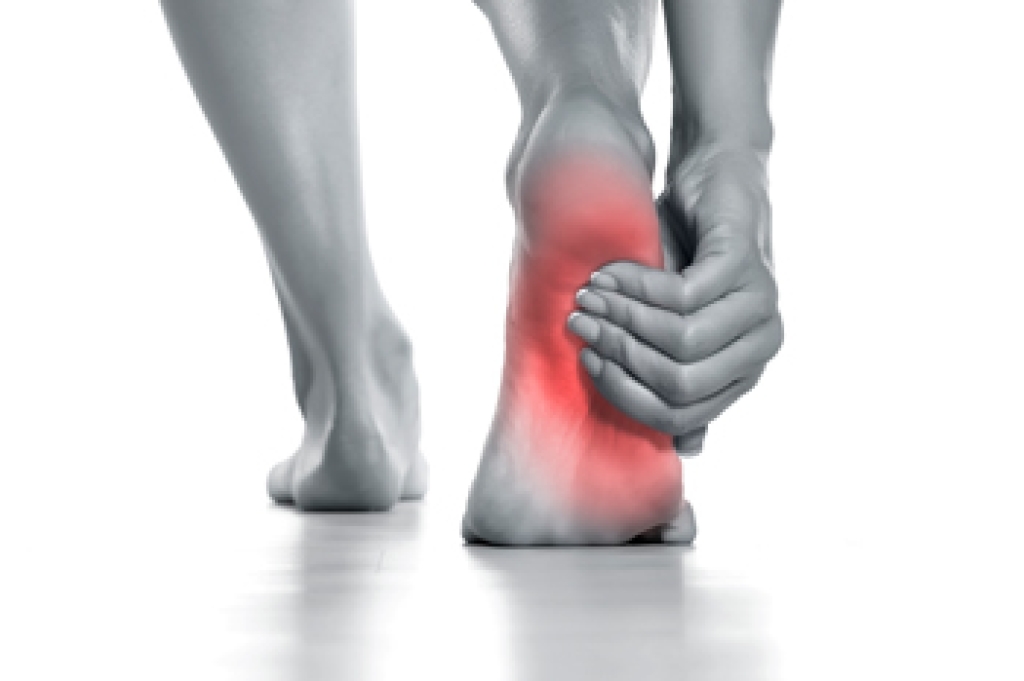
Foot pain can be extremely painful and debilitating. If you have a foot pain, consult with Jed Wells, DPM from Jed Wells, DPM Foot Specialist. Our doctor will assess your condition and provide you with quality foot and ankle treatment.

Causes

Foot pain is a very broad condition that could be caused by one or more ailments. The most common include:

  • Bunions
  • Hammertoes
  • Plantar Fasciitis
  • Bone Spurs
  • Corns
  • Tarsal Tunnel Syndrome
  • Ingrown Toenails
  • Arthritis (such as Gout, Rheumatoid, and Osteoarthritis)
  • Flat Feet
  • Injury (from stress fractures, broken toe, foot, ankle, Achilles tendon ruptures, and sprains)
  • And more

Diagnosis

To figure out the cause of foot pain, podiatrists utilize several different methods. This can range from simple visual inspections and sensation tests to X-rays and MRI scans. Prior medical history, family medical history, and any recent physical traumatic events will all be taken into consideration for a proper diagnosis.

Treatment

Treatment depends upon the cause of the foot pain. Whether it is resting, staying off the foot, or having surgery; podiatrists have a number of treatment options available for foot pain.

If you have any questions, please feel free to contact our office located in Corpus Christi, TX . We offer the newest diagnostic and treatment technologies for all your foot care needs.
Read more about Foot Pain

Treatment Options for Overpronation

Overpronation occurs when the foot rolls excessively inward with each step, placing abnormal stress on the arches, ankles, and toes. Treatment for overpronation primarily involves relieving this pressure to reduce pain or discomfort in the feet and ankles. Wearing supportive footwear, featuring firm cushioning around the heel and midfoot, can help limit unnecessary foot motion and stabilize the arch. Custom orthotics may be prescribed by a podiatrist to offer individualized foot support, effectively aligning and stabilizing the feet and ankles. In moderate cases, kinesiology taping or braces are beneficial in providing extra support, improving foot alignment, and preventing further pronation. In rare instances, severe overpronation due to flat feet or structural damage might require surgery. Such procedures typically involve reconstructing or realigning foot bones and tendons to stabilize the arch, correct the foot's alignment, and relieve symptoms. If you suspect you have a pronation problem, it is suggested that you schedule an appointment with a podiatrist for an exam, diagnosis, and treatment.

If you have any concerns about your feet, contact Jed Wells, DPM from Jed Wells, DPM Foot Specialist. Our doctor can provide the care you need to keep you pain-free and on your feet.

Biomechanics in Podiatry

Podiatric biomechanics is a particular sector of specialty podiatry with licensed practitioners who are trained to diagnose and treat conditions affecting the foot, ankle and lower leg. Biomechanics deals with the forces that act against the body, causing an interference with the biological structures. It focuses on the movement of the ankle, the foot and the forces that interact with them.

A History of Biomechanics

  • Biomechanics dates back to the BC era in Egypt where evidence of professional foot care has been recorded.
  • In 1974, biomechanics gained a higher profile from the studies of Merton Root, who claimed that by changing or controlling the forces between the ankle and the foot, corrections or conditions could be implemented to gain strength and coordination in the area.

Modern technological improvements are based on past theories and therapeutic processes that provide a better understanding of podiatric concepts for biomechanics. Computers can provide accurate information about the forces and patterns of the feet and lower legs.

Understanding biomechanics of the feet can help improve and eliminate pain, stopping further stress to the foot.

If you have any questions please feel free to contact our office located in Corpus Christi, TX . We offer the newest diagnostic and treatment technologies for all your foot and ankle needs.

Read more about The Importance of Biomechanics in Podiatry

Plantar Warts Can Be Treated!

Plantar warts are small growths that develop on parts of the feet that bear weight. They're typically found on the bottom of the foot. Don't live with plantar warts, and call us today!

Connect with us