
Same Day or Next Day Appointments Available
Se Habla Español

Blog

Caring for Heel Pressure Ulcers Before They Worsen

Heel pressure ulcers can develop when constant pressure reduces blood flow to the skin and tissue surrounding the heel. These wounds are more likely in people who spend long periods in bed or have reduced mobility. Early signs include redness, tenderness, or darkened skin. If not treated, the skin can break down and form deep wounds that are difficult to heal. Treatment includes relieving pressure, cleaning the area regularly, applying dressings, and using special shoes or heel protectors. Keeping the feet elevated and ensuring good nutrition can also help speed healing. Severe cases may require advanced wound care or surgery. If you notice skin changes, pain, or open sores on your heel, especially if you have diabetes or circulation issues, it is suggested that you see a podiatrist for a proper diagnosis and effective treatment.

Wound care is an important part in dealing with diabetes. If you have diabetes and a foot wound or would like more information about wound care for diabetics, consult with Jed Wells, DPM from Jed Wells, DPM Foot Specialist. Our doctor will assess your condition and provide you with quality foot and ankle treatment.

What Is Wound Care?

Wound care is the practice of taking proper care of a wound. This can range from the smallest to the largest of wounds. While everyone can benefit from proper wound care, it is much more important for diabetics. Diabetics often suffer from poor blood circulation which causes wounds to heal much slower than they would in a non-diabetic. 

What Is the Importance of Wound Care?

While it may not seem apparent with small ulcers on the foot, for diabetics, any size ulcer can become infected. Diabetics often also suffer from neuropathy, or nerve loss. This means they might not even feel when they have an ulcer on their foot. If the wound becomes severely infected, amputation may be necessary. Therefore, it is of the upmost importance to properly care for any and all foot wounds.

How to Care for Wounds

The best way to care for foot wounds is to prevent them. For diabetics, this means daily inspections of the feet for any signs of abnormalities or ulcers. It is also recommended to see a podiatrist several times a year for a foot inspection. If you do have an ulcer, run the wound under water to clear dirt from the wound; then apply antibiotic ointment to the wound and cover with a bandage. Bandages should be changed daily and keeping pressure off the wound is smart. It is advised to see a podiatrist, who can keep an eye on it.

If you have any questions please contact our office located in Corpus Christi, TX . We offer the newest diagnostic and treatment technologies for all your foot and ankle needs.

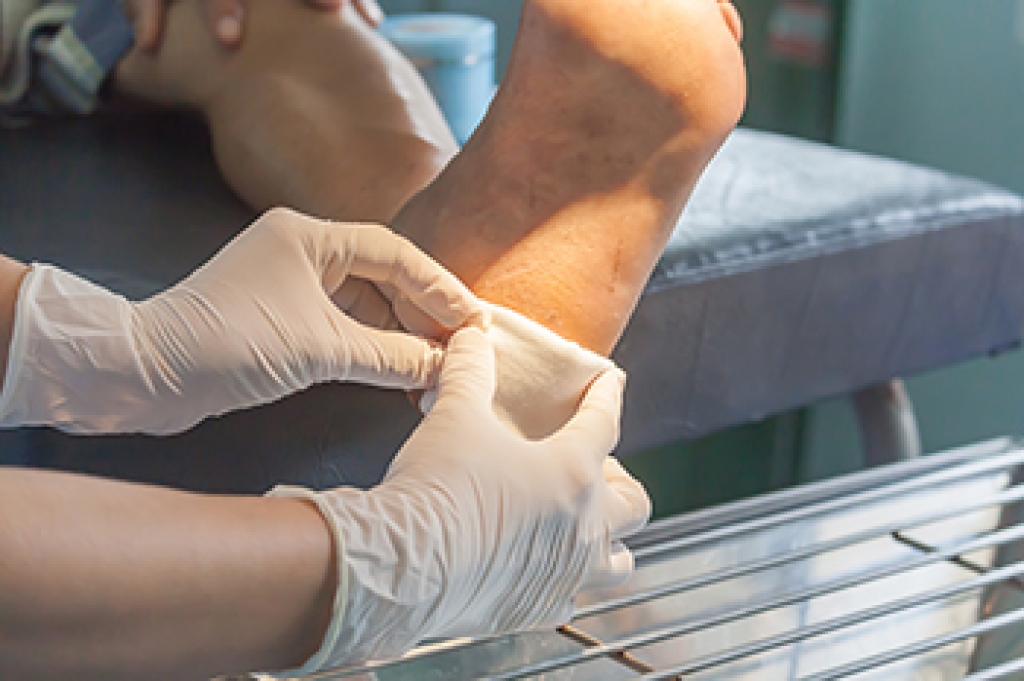
Read more about Wound Care

Linking Foot Pain and Arthritis

Foot pain is often linked to various forms of arthritis that affect the joints, soft tissues, and structure of the feet, toes, and ankles. Osteoarthritis can cause the cartilage in foot joints to wear down over time, leading to stiffness, pain, and changes in walking mechanics. Rheumatoid arthritis, an autoimmune condition, frequently affects both feet symmetrically and may lead to joint deformities like hammertoes or claw toes. Psoriatic arthritis may cause inflammation in tendons and ligaments, contributing to conditions like plantar fasciitis and Achilles tendonitis. Gout often causes sudden, intense pain in the big toe or ankle due to the buildup of uric acid crystals. Lupus-related arthritis can lead to joint pain, nerve damage, and poor circulation in the feet. A podiatrist can provide an accurate diagnosis and recommend treatment, which may include medication, custom orthotics, or surgery. If you are experiencing foot pain, it is suggested that you schedule an appointment with a podiatrist for appropriate treatment.

Arthritis can be a difficult condition to live with. If you are seeking treatment, contact Jed Wells, DPM from Jed Wells, DPM Foot Specialist. Our doctor can provide the care you need to keep you pain-free and on your feet.

Arthritic Foot Care  

Arthritis is a joint disorder that involves the inflammation of different joints in your body, such as those in your feet. Arthritis is often caused by a degenerative joint disease and causes mild to severe pain in all affected areas. In addition to this, swelling and stiffness in the affected joints can also be a common symptom of arthritis.

In many cases, wearing ill-fitting shoes can worsen the effects and pain of arthritis. Wearing shoes that have a lower heel and extra room can help your feet feel more comfortable. In cases of rheumatoid arthritis, the arch in your foot may become problematic. Buying shoes with proper arch support that contour to your feet can help immensely.

Alleviating Arthritic Pain

  • Exercises that stretch the foot can prevent further pain and injury and increase mobility
  • Most of the pain can be alleviated with anti-inflammatory drugs, heat, and topical medications
  • Massages can help temporarily alleviate pain.

It is best to see your doctor for the treatment that is right for your needs and symptoms. Conditions vary, and a podiatrist can help you determine the right method of care for your feet.

If you have any questions please feel free to contact our office located in Corpus Christi, TX . We offer the newest diagnostic tools and technology to treat your foot and ankle needs.

Read more about How to Care for Your Arthritic Foot

Caring for the Feet of Older Adults With Extra Weight

As we age, our feet carry not only the weight of our bodies, but also a lifetime of steps, strain, and change. For seniors living with extra weight, the pressure on the feet can become even more challenging. It is common to experience pain in the heels, arches, or ankles, and conditions like arthritis, plantar fasciitis, or skin problems may become more frequent. These concerns are not simply about weight, but also about comfort, mobility, and quality of life. Supportive shoes, gentle daily movement, and thoughtful foot care can make a big difference. Even small changes, like moisturizing dry skin or checking for signs of pressure or injury, help protect the feet. Podiatrists can offer relief through care that respects each person’s needs and abilities. If your feet hurt or feel tired more often, it is suggested you see a podiatrist for a proper diagnosis and appropriate treatment.

The more you weigh, the harder your feet must work to support your body. If you’re an obese individual and are concerned about your feet, contact Jed Wells, DPM from Jed Wells, DPM Foot Specialist. Our doctor can provide the care you need to keep you pain-free and on your feet.

Obesity and Your Feet

People who are overweight are putting more pressure on their ankles, knees, and hips as well as their feet. This unfortunately can lead to variety of different issues.

Problems & Complications Stemming from Obesity

  • When the body is overweight, it tries to compensate by changing the way that it moves. An obese person may lean forward and put extra weight on the wrong part of the foot. This puts unnecessary stress on the feet.
  • Obese people are also more likely to develop type II diabetes which is a condition that causes a lot of foot problems. People with diabetes often don’t feel the cuts and sores that they may have on their feet, which can lead to more complicated and severe issues.
  • Plantar fasciitis is another foot condition that can be caused by obesity. Plantar fasciitis is an inflammation of the tissue along the bottom of the foot, which causes pain and stiffness while walking and climbing stairs.

If you have any questions please contact our office located in Corpus Christi, TX . We offer the newest diagnostic and treatment technologies for all your foot and ankle needs.

Read more about Obesity and the Feet

Managing an Ingrown Toenail

An ingrown toenail occurs when the side or corner of the nail grows into the surrounding skin, often resulting in pain, redness, and swelling. This condition most commonly affects the big toe and can worsen if left untreated. A podiatrist can diagnose an ingrown toenail by examining the affected area and evaluating any signs of infection, such as pus, warmth, or foul odor. If an infection is present, antibiotics may be prescribed. In moderate to severe cases, a podiatrist may recommend surgery to remove a portion of the nail, a procedure known as a partial nail avulsion. Additional options like splinting or bracing may be used to help the nail grow in the correct direction. People with diabetes or poor circulation are at a higher risk for complications and should seek prompt medical care. If you have an ingrown toenail that is causing pain, it is suggested that you schedule an appointment with a podiatrist for appropriate treatment.

Ingrown toenails can become painful if they are not treated properly. For more information about ingrown toenails, contact Jed Wells, DPM of Jed Wells, DPM Foot Specialist. Our doctor can provide the care you need to keep you pain-free and on your feet.

Ingrown Toenails

Ingrown toenails occur when a toenail grows sideways into the bed of the nail, causing pain, swelling, and possibly infection.

Causes

  • Bacterial infections
  • Improper nail cutting such as cutting it too short or not straight across
  • Trauma to the toe, such as stubbing, which causes the nail to grow back irregularly
  • Ill-fitting shoes that bunch the toes too close together
  • Genetic predisposition

Prevention

Wearing proper fitting shoes and using proper cutting techniques will also help decrease your risk of developing ingrown toenails.

Treatment

Ingrown toenails are a very treatable foot condition. In minor cases, soaking the affected area in salt or antibacterial soaps will not only help with the ingrown nail itself, but also help prevent any infections from occurring. In more severe cases, surgery is an option. In either case, speaking to your podiatrist about this condition will help you get a better understanding of specific treatment options that are right for you.

If you have any questions, please feel free to contact our office located in Corpus Christi, TX . We offer the newest diagnostic and treatment technologies for all your foot care needs.

Read more about Ingrown Toenail Care

Wounds That Don't Heal Need to Be Checked

Your feet are covered most of the day. If you're diabetic, periodic screening is important for good health. Numbness is often a sign of diabetic foot and can mask a sore or wound.

Connect with us