Same Day or Next Day Appointments Available
Se Habla Español

Blog

The Definition of Tarsal Tunnel Syndrome

Tarsal tunnel syndrome, though less commonly known than other foot conditions, can cause significant discomfort and impairment for those affected. Similar to carpal tunnel syndrome in the wrist, tarsal tunnel syndrome involves compression of the posterior tibial nerve as it passes through a narrow space in the ankle called the tarsal tunnel. This compression can result from various factors, including injury, inflammation, or underlying conditions like arthritis or diabetes. Symptoms of tarsal tunnel syndrome may include burning pain, tingling, numbness, or weakness in the foot and ankle, often worsened by prolonged standing or walking. Left untreated, tarsal tunnel syndrome can lead to permanent nerve damage and functional limitations. Diagnosis typically involves a thorough physical examination, along with imaging studies like MRI or nerve conduction tests. Early recognition and intervention are critical for managing tarsal tunnel syndrome effectively and minimizing long-term consequences. If you have any of the above symptoms, it is suggested that you confer with a podiatrist who can offer you effective treatment solutions.

Tarsal tunnel syndrome can be very uncomfortable to live with. If you are experiencing tarsal tunnel syndrome, contact Jed Wells, DPM of Jed Wells, DPM Foot Specialist. Our doctor can provide the care you need to keep you pain-free and on your feet.

Tarsal Tunnel Syndrome

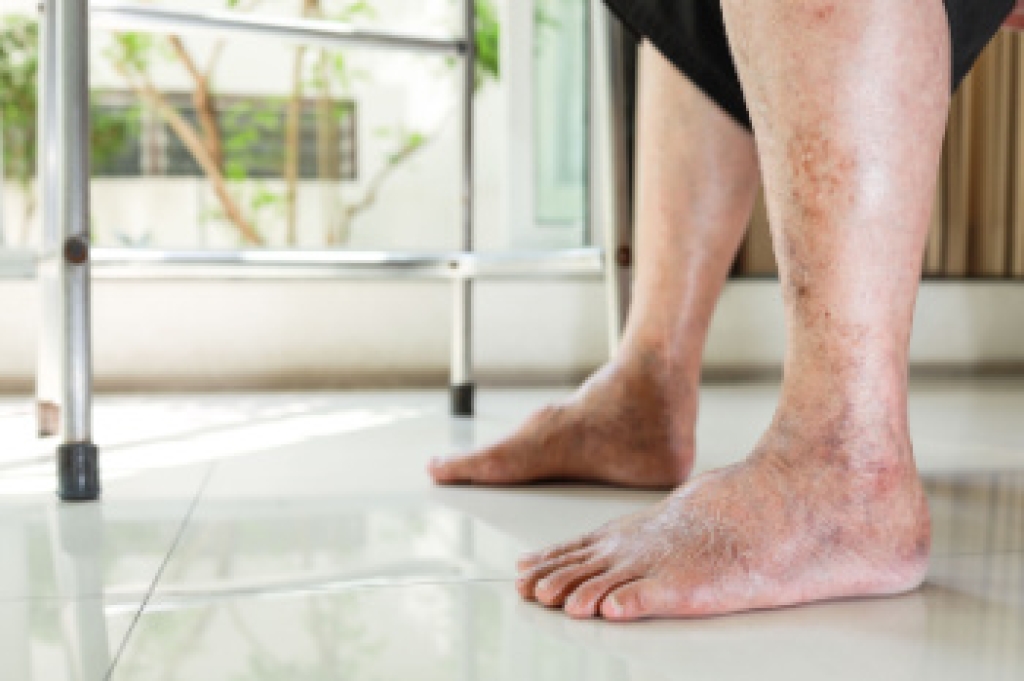
Tarsal tunnel syndrome, which can also be called tibial nerve dysfunction, is an uncommon condition of misfiring peripheral nerves in the foot. The tibial nerve is the peripheral nerve in the leg responsible for sensation and movement of the foot and calf muscles. In tarsal tunnel syndrome, the tibial nerve is damaged, causing problems with movement and feeling in the foot of the affected leg.

Common Cause of Tarsal Tunnel Syndrome

  • Involves pressure or an injury, direct pressure on the tibial nerve for an extended period of time, sometimes caused by other body structures close by or near the knee.
  • Diseases that damage nerves, including diabetes, may cause tarsal tunnel syndrome.
  • At times, tarsal tunnel syndrome can appear without an obvious cause in some cases.

The Effects of Tarsal Tunnel Syndrome

  • Different sensations, an afflicted person may experience pain, tingling, burning or other unusual sensations in the foot of the affected leg.
  • The foot muscles, toes and ankle become weaker, and curling your toes or flexing your foot can become difficult.
  • If condition worsens, infections and ulcers may develop on the foot that is experiencing the syndrome.

A physical exam of the leg can help identify the presence of tarsal tunnel syndrome. Medical tests, such as a nerve biopsy, are also used to diagnose the condition. Patients may receive physical therapy and prescriptive medication. In extreme cases, some may require surgery.

If you have any questions please contact our office located in Corpus Christi, TX . We offer the newest diagnostic and treatment technologies for all your foot and ankle needs.

Read more about Treating Tarsal Tunnel Syndrome

Symptoms and Appearance of a Broken Toe

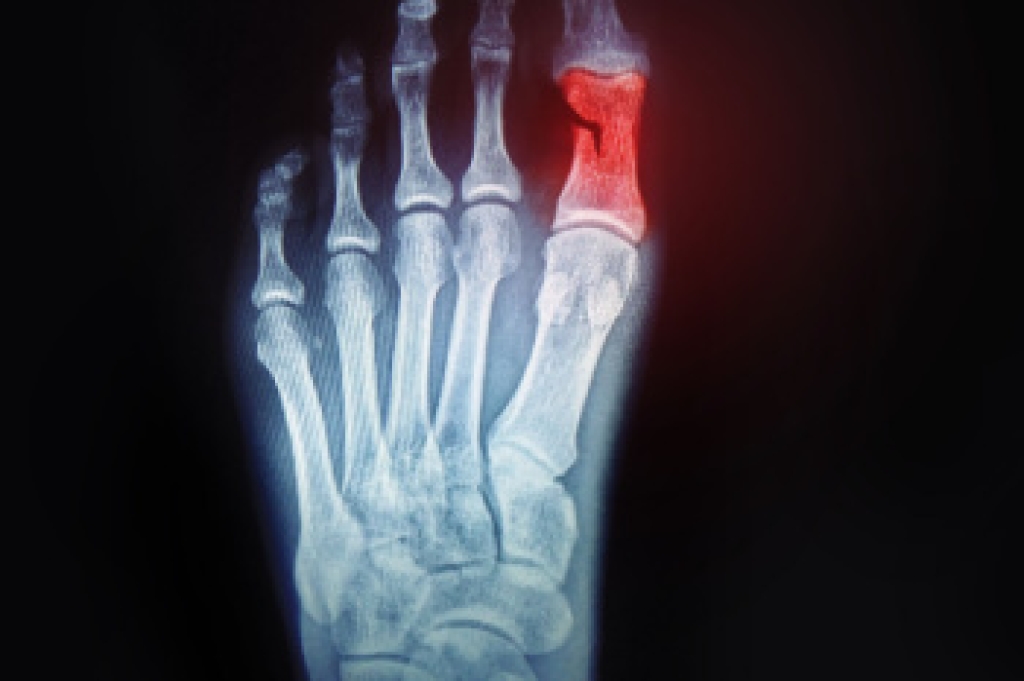
Broken toes, while often underestimated, can significantly impact daily activities and mobility. Common causes of broken toes include traumatic injuries such as stubbing or dropping heavy objects on the foot, as well as sports-related incidents and accidents. Symptoms of a broken toe typically include pain, swelling, bruising, and difficulty bearing weight on the affected foot. In severe cases, the toe may appear visibly misaligned or deformed, and there may be an audible popping or cracking sound at the time of injury. Additionally, individuals may experience numbness or tingling sensations in the affected toe. The appearance of a broken toe can vary depending on the severity of the injury, with some cases showing obvious signs of displacement or angulation, while others may have subtle swelling and discoloration. If you have fractured your toe, it is suggested that you consult a podiatrist who can perform an accurate diagnosis, and offer the treatment method that is best for you.

A broken toe can be very painful and lead to complications if not properly fixed. If you have any concerns about your feet, contact Jed Wells, DPM from Jed Wells, DPM Foot Specialist. Our doctor will treat your foot and ankle needs.

What to Know About a Broken Toe

Although most people try to avoid foot trauma such as banging, stubbing, or dropping heavy objects on their feet, the unfortunate fact is that it is a common occurrence. Given the fact that toes are positioned in front of the feet, they typically sustain the brunt of such trauma. When trauma occurs to a toe, the result can be a painful break (fracture).

Symptoms of a Broken Toe

  • Throbbing pain
  • Swelling
  • Bruising on the skin and toenail
  • The inability to move the toe
  • Toe appears crooked or disfigured
  • Tingling or numbness in the toe

Generally, it is best to stay off of the injured toe with the affected foot elevated.

Severe toe fractures may be treated with a splint, cast, and in some cases, minor surgery. Due to its position and the pressure it endures with daily activity, future complications can occur if the big toe is not properly treated.

If you have any questions, please feel free to contact our office located in Corpus Christi, TX . We offer the newest diagnostic and treatment technologies for all your foot care needs.

Read more about What to Know About a Broken Toe

Insights into Children's Foot Development

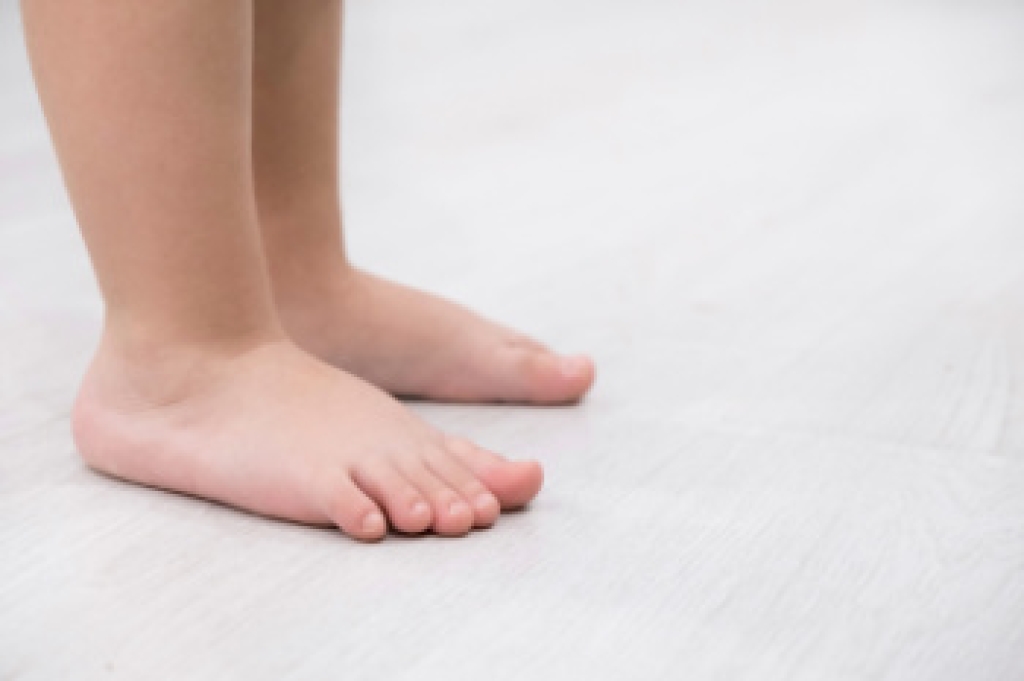
During infancy, a child's feet are pliable and mostly made of cartilage, gradually ossifying into bones over time. Until the age of six, children's feet are still forming, with the arches gradually developing. It is normal for children to have flat feet during this period, as the arches develop and muscles strengthen. Additionally, children's feet grow rapidly, often requiring new shoes every few months during growth spurts. As they become more active, ensuring proper footwear fit is essential to support their growing feet and prevent discomfort or injury. Children's feet may appear pigeon-toed or have other gait abnormalities as they learn to walk and run. Most of these issues resolve on their own as they develop coordination and muscle strength. Regular monitoring of children's foot health and providing adequate support through appropriate footwear can contribute to their overall well-being and comfort. If you have questions or concerns about your child’s feet, it is suggested that you contact a podiatrist who can provide you with the information you are seeking.

The health of a child’s feet is vital to their overall well-being. If you have any questions regarding foot health, contact Jed Wells, DPM of Jed Wells, DPM Foot Specialist. Our doctor can provide the care you need to keep you pain-free and on your feet.

Tips for Keeping Children's Feet Healthy

  • Make sure their shoes fit properly
  • Look for any signs of in-toeing or out-toeing
  • Check to see if they have Clubfoot (condition that affects your child’s foot and ankle, twisting the heel and toes inward) which is one of the most common nonmajor birth defects.
  • Lightly cover your baby’s feet (Tight covers may keep your baby from moving their feet freely, and could prevent normal development)
  • Allow your toddler to go shoeless (Shoes can be restricting for a young child’s foot)
  • Cut toenails straight across to avoid ingrown toenails
  • Keep your child’s foot clean and dry
  • Cover cuts and scrapes. Wash any scratches with soap and water and cover them with a bandage until they’ve healed.

If you have any questions, please feel free to contact our office located in Corpus Christi, TX . We offer the newest diagnostic and treatment technologies for all your foot care needs.
Read more about How to Care for Your Child's Feet

Choosing Appropriate Footwear for Restaurant Workers

Selecting the right shoes for restaurant employees is paramount, considering the unique demands of the hospitality industry. Restaurant staff, who often spend long hours on their feet, require comfortable and supportive footwear to navigate the dynamic environment effectively. Slip-resistant shoes are essential, minimizing the risk of accidents in busy kitchens and dining areas. Opt for closed-toe styles to provide additional protection and prevent spills or sharp objects from causing harm. Comfort is key, so shoes with cushioning and arch support help alleviate the stress on the feet during extended shifts. Furthermore, choosing shoes made from breathable materials can enhance comfort and reduce the likelihood of foot-related issues. By investing in appropriate footwear, restaurant employees not only prioritize their foot health but also contribute to a safer and more efficient working environment. If you are working at a restaurant, it is suggested that you confer with a podiatrist who can provide you with specific information on the type of shoes to purchase.

While working on the feet, it is important to take the proper care of them. For more information about working on your feet, contact Jed Wells, DPM from Jed Wells, DPM Foot Specialist. Our doctor will treat your foot and ankle needs.

Working on Your Feet

Standing on your feet for long periods of time can cause stress and pain in your feet. Your whole body may experience change in terms of posture, back pain, bunions, callouses and or plantar warts. There are ways to avoid these conditions with proper foot care, smart choices and correct posture.

Positive Changes

Negative heeled shoe – Choosing this shoe type places the heel slightly lower than the ball of the foot. These are great for overall foot health. Find shoes that fit you correctly.

Go barefoot – Our feet were not designed to be enclosed for all hours of the day. Try to periodically expose your feet to air.

Eliminate Pain

Foot Exercises – Performing simple exercises, incorporating yoga and doing stretches are beneficial. This will allow increased blood flow to the area and muscles of the foot.

Achilles tendon – Stretching the foot out flat on the floor will relax the calf muscles and tendon. These exercises can be performed almost anywhere. Make sure you add these exercises to your daily regimen. 

With a little bit of this information and knowing more about foot health, you will notice changes. Foot stretches and proper footwear will help with pain and prevent further issues.

If you have any questions please contact our office located in Corpus Christi, TX . We offer the newest diagnostic and treatment technologies for all your foot and ankle needs.

Read more about How to Handle a Long Work Day on Your Feet
Connect with us