If you need a more accessible version of this website, click this button on the right.Switch to Accessible Site

Same Day or Next Day Appointments Available
Se Habla Español

November 2025

Tuesday, 25 November 2025 00:00

Causes and Diagnosis of Morton’s Neuroma

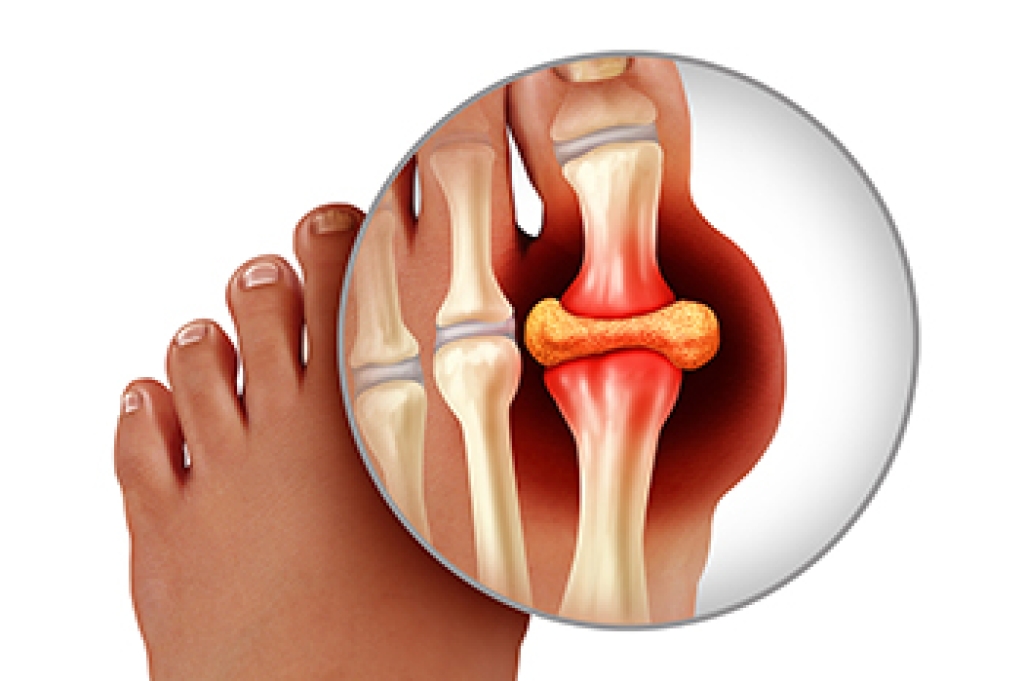
Morton’s neuroma is a thickening of tissue surrounding a nerve leading to the toes, most often occurring between the third and fourth toes. This nerve irritation typically develops from repeated pressure or compression in the forefoot. Factors contributing to Morton's neuroma include wearing narrow or high-heeled shoes, spending long hours on the feet, structural deformities like flat feet or bunions, and repetitive impact from running or jumping. Symptoms often involve burning or tingling pain in the ball of the foot, numbness between the toes, or the sensation of stepping on a pebble in the shoe. A podiatrist diagnoses Morton’s neuroma through a physical exam that may involve gently pressing the affected area to reproduce symptoms or using imaging like ultrasound to confirm the nerve thickening. Early diagnosis helps prevent long-term nerve damage and persistent pain. If you have symptoms of Morton’s neuroma, it is suggested that you make an appointment with a podiatrist for a diagnosis and treatment options.

Morton’s neuroma is a very uncomfortable condition to live with. If you think you have Morton’s neuroma, contact Jed Wells, DPM of Jed Wells, DPM Foot Specialist. Our doctor will attend to all of your foot care needs and answer any of your related questions.  

Morton’s Neuroma

Morton's neuroma is a painful foot condition that commonly affects the areas between the second and third or third and fourth toe, although other areas of the foot are also susceptible. Morton’s neuroma is caused by an inflamed nerve in the foot that is being squeezed and aggravated by surrounding bones.

What Increases the Chances of Having Morton’s Neuroma?

  • Ill-fitting high heels or shoes that add pressure to the toe or foot
  • Jogging, running or any sport that involves constant impact to the foot
  • Flat feet, bunions, and any other foot deformities

Morton’s neuroma is a very treatable condition. Orthotics and shoe inserts can often be used to alleviate the pain on the forefront of the feet. In more severe cases, corticosteroids can also be prescribed. In order to figure out the best treatment for your neuroma, it’s recommended to seek the care of a podiatrist who can diagnose your condition and provide different treatment options.

If you have any questions, please feel free to contact our office located in Corpus Christi, TX . We offer the newest diagnostic and treatment technologies for all your foot care needs.
Read more about Morton's Neuroma
Published in Blog
Tuesday, 18 November 2025 00:00

Maintaining Foot Health in Older Adults

As people age, changes in circulation, skin texture, and joint flexibility can make the feet more vulnerable to discomfort and injury. Common concerns for seniors include dry skin, thick toenails, corns, calluses, and swelling. Chronic conditions such as diabetes or arthritis can further increase the risk of infection, ulcers, or mobility issues. Regular foot inspections are important for spotting early signs of irritation or sores that may not heal easily. Wearing supportive, properly fitted shoes help maintain balance and reduce the risk of falls. Keeping the skin moisturized, trimming nails safely, and elevating the feet to reduce swelling all promote comfort and circulation. Healthy feet help older adults stay active, independent, and confident in their daily lives. If you are a senior, or taking care of a senior, it is suggested that you schedule routine visits with a podiatrist to ensure that any developing problems are treated promptly.

Proper foot care is something many older adults forget to consider. If you have any concerns about your feet and ankles, contact Jed Wells, DPM from Jed Wells, DPM Foot Specialist. Our doctor can provide the care you need to keep you pain-free and on your feet.

The Elderly and Their Feet

As we age we start to notice many changes in our body, but the elder population may not notice them right away. Medical conditions may prevent the elderly to take notice of their foot health right away. Poor vision is a lead contributor to not taking action for the elderly.

Common Conditions 

  • Neuropathy – can reduce feeling in the feet and can hide many life-threatening medical conditions.
  • Reduced flexibility – prevents the ability of proper toenail trimming, and foot cleaning. If left untreated, it may lead to further medical issues.
  • Foot sores – amongst the older population can be serious before they are discovered. Some of the problematic conditions they may face are:
  • Gouging toenails affecting nearby toe
  • Shoes that don’t fit properly
  • Pressure sores
  • Loss of circulation in legs & feet
  • Edema & swelling of feet and ankles

Susceptible Infections

Diabetes and poor circulation can cause general loss of sensitivity over the years, turning a simple cut into a serious issue.

If you have any questions, please feel free to contact our office located in Corpus Christi, TX . We offer the newest diagnostic and treatment technologies for all your foot care needs.

Read more about Elderly and their Feet
Published in Blog
Tuesday, 11 November 2025 00:00

Common Injuries to the Big Toe

The big toe plays a vital role in balance and movement, making it prone to injuries. Stubbing the big toe is a common cause of bruising or sprains, while fractures can occur from trauma or dropping heavy objects on it. Athletes are especially at risk due to repetitive stress, sudden stops, or forceful impacts during sports. These injuries can lead to pain, swelling, and difficulty walking, if not properly treated. A podiatrist can diagnose the severity of the injury, provide treatments like splinting or orthotics, and recommend specific exercises. If you have pain in your big toe, it is suggested that you  schedule an appointment with a podiatrist who can diagnose the problem and provide effective treatment solutions.

Toe pain can disrupt your daily activities. If you have any concerns, contact Jed Wells, DPM of Jed Wells, DPM Foot Specialist. Our doctor can provide the care you need to keep you pain-free and on your feet.

What Causes Toe Pain?

Most severe toe pain is caused due to a sports injury, trauma from dropping something heavy on the toe, or bumping into something rigid. Other problems can develop over time for various reasons.

Toe pain can be caused by one or more ailments. The most common include:

  • Trauma
  • Sports injury
  • Wearing shoes that are too tight
  • Arthritis
  • Gout
  • Corns and calluses
  • Hammertoe
  • Bunions
  • Blisters
  • Ingrown toenails
  • Sprains
  • Fractures (broken bones)
  • Dislocations

When to See a Podiatrist

  • Severe pain
  • Persistent pain that lasts more than a week
  • Signs of infection
  • Continued swelling
  • Pain that prevents walking

Diagnosis

In many cases the cause of toe pain is obvious, but in others, a podiatrist may want to use more advanced methods to determine the problem. These can range from simple visual inspections and sensation tests to X-rays and MRI scans. Prior medical history, family medical history, and any recent physical traumatic events will all be taken into consideration for a proper diagnosis.

Treatment

Treatments for toe pain and injuries vary and may include shoe inserts, padding, taping, medicines, injections, and in some cases, surgery. If you believe that you have broken a toe, please see a podiatrist as soon as possible.

If you have any questions please contact our office located in Corpus Christi, TX . We offer the newest diagnostic and treatment technologies for all your foot and ankle needs.

Read more about Toe Pain
Published in Blog
Wednesday, 05 November 2025 00:00

Are Bunions Affecting Your Everyday Life?

Have you noticed a bony protrusion on the side of your big toe? If so, you may have developed the foot condition known as a bunion. Don't let bunions interfere with your daily activities.

Published in Blog
Tuesday, 04 November 2025 00:00

A Bump Can Indicate a Bunion Has Formed

A noticeable bony bump on the bottom of the big toe may indicate a bunion has developed. If it forms on the pinky toe, it is referred to as a bunionette. A bunion may cause some patients to purchase larger shoes, and it may help to wear a protective covering over it. This ailment is mostly likely caused by wearing shoes that do not have ample room for the toes to move freely in. Additionally, patients who have a genetic history of bunions may be prone to developing them. Mild relief may be found when specific exercises and stretches are frequently performed, and this may help to strengthen the surrounding muscles. Patients whose daily life is negatively affected by bunions are strongly suggested to confer with a podiatrist who can recommend the best treatment methods, which may include surgery for permanent removal.

If you are suffering from bunions, contact Jed Wells, DPM of Jed Wells, DPM Foot Specialist. Our doctor can provide the care you need to keep you pain-free and on your feet.

What Is a Bunion?

A bunion is formed of swollen tissue or an enlargement of boney growth, usually located at the base joint of the toe that connects to the foot. The swelling occurs due to the bones in the big toe shifting inward, which impacts the other toes of the foot. This causes the area around the base of the big toe to become inflamed and painful.

Why Do Bunions Form?

Genetics – Susceptibility to bunions are often hereditary

Stress on the feet – Poorly fitted and uncomfortable footwear that places stress on feet, such as heels, can worsen existing bunions

How Are Bunions Diagnosed?

Podiatrists often perform two tests – blood tests and x-rays – when trying to diagnose bunions, especially in the early stages of development. Blood tests help determine if the foot pain is being caused by something else, such as arthritis, while x-rays provide a clear picture of your bone structure to your provider.

How Are Bunions Treated?

  • Refrain from wearing heels or similar shoes that cause discomfort
  • Select wider shoes that can provide more comfort and reduce pain
  • Anti-inflammatory and pain management drugs
  • Orthotics or foot inserts
  • Surgery

If you have any questions, please feel free to contact our office located in Corpus Christi, TX . We offer the newest diagnostic and treatment technologies for all your foot care needs.

Read more about What Are Bunions?
Published in Blog
Connect with us