Same Day or Next Day Appointments Available
Se Habla Español
Toe pain can originate from corns, calluses, hammertoes, and bunions, as well as ingrown toenails, sprains, fractures, and dislocations. Corns develop as the toe rubs against the inside of a shoe which causes the skin to thicken as a form of protection. A corn is typically cone-shaped and has a small, hardened spot that points inward. When a corn is pressed into the skin, the toe becomes painful. Corns usually form on the top or side of the toe. A callus is also a thickened patch of skin that generally forms on the bottom of the foot. Calluses are the result of friction from the toe rubbing against the inside of a shoe. They may also occur by walking barefoot or having flat feet. A hammertoe is a bump on the knuckle of the second toe that is produced by wearing shoes that are too short for your feet. The bony protrusion rubs against the top of the shoe causing pain and irritation. A bunion is a malformation of the big toe. The base of the big toe pushes away from the smaller toes, forcing the top of the big toe to press toward the other toes. Bunions can be hereditary, or they can result from injury to the toe joint or from wearing high heels with a narrow toe box. The toe becomes inflamed, and a bump may develop at the end of the misplaced bone. Ingrown toenails typically affect the big toe and its surrounding skin. The nail will dig into the skin and become painful. Wearing tight or narrow shoes that compress the big toe causes the nail to grow into the fleshy part of the toe. Cutting toenails incorrectly can also add to the development of an ingrown toenail. A toe sprain originates from a torn or stretched ligament. Strapping the injured toe to the toe next to it for stabilization is common. A broken or fractured toe usually occurs from trauma like dropping a heavy object on it or bumping into something extremely hard and rigid. Osteoporosis, a thinning of the bones, can also bring about toe fractures.
Any of the conditions mentioned can lead to pain and irritation. While some are more serious than others, seeking an examination and diagnosis from a podiatrist is a good idea. A podiatrist can treat each ailment and get you back on your feet again without pain.
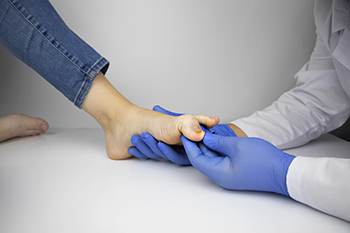
A damaged toenail can result from trauma, fungal infections, or complications like ingrown nails. It is never a good idea to remove a damaged toenail at home, as this can increase the risk of infection or further injury. Symptoms of infection include redness, swelling, pain, and discharge. Without sterile tools and proper techniques, even minor damage to the surrounding skin can invite bacteria and delay healing. A podiatrist can safely assess the extent of the damage and determine the most effective treatment. In some cases, a partial or complete toenail removal may be necessary. This procedure is performed under local anesthesia in a sterile environment and usually takes only 15 to 20 minutes. Following toenail removal, tenderness, redness, and swelling are common. Keeping the foot elevated above heart level for the first 48 hours can help reduce pain and swelling. Toenails grow slowly, often taking six to 18 months to fully regrow. If you have damaged a toenail, it is suggested that you schedule an appointment with a podiatrist for an exam and treatment options.
Toe pain can disrupt your daily activities. If you have any concerns, contact Jed Wells, DPM of Jed Wells, DPM Foot Specialist. Our doctor can provide the care you need to keep you pain-free and on your feet.
What Causes Toe Pain?
Most severe toe pain is caused due to a sports injury, trauma from dropping something heavy on the toe, or bumping into something rigid. Other problems can develop over time for various reasons.
Toe pain can be caused by one or more ailments. The most common include:
When to See a Podiatrist
Diagnosis
In many cases the cause of toe pain is obvious, but in others, a podiatrist may want to use more advanced methods to determine the problem. These can range from simple visual inspections and sensation tests to X-rays and MRI scans. Prior medical history, family medical history, and any recent physical traumatic events will all be taken into consideration for a proper diagnosis.
Treatment
Treatments for toe pain and injuries vary and may include shoe inserts, padding, taping, medicines, injections, and in some cases, surgery. If you believe that you have broken a toe, please see a podiatrist as soon as possible.
If you have any questions please contact our offices located in Corpus Christi, and Laredo, TX . We offer the newest diagnostic and treatment technologies for all your foot and ankle needs.
Foot and ankle injuries are common among athletes and those who exercise frequently. Most of these injuries are non-life-threatening and can heal in weeks with proper treatment and care. Serious injuries, however, require urgent medical treatment.
Common minor injuries include ankle sprains, ankle strains, Achilles tendonitis, plantar fasciitis, stress fractures, and turf toe. An ankle sprain is when the ligaments in the ankle have either become stretched or torn. When the muscle or tendon is stretched or torn, it is an ankle strain. When the big toe is sprained, it is known as turf toe. Achilles tendonitis is the overuse and inflammation of the Achilles tendon. Plantar fasciitis is the inflammation of the plantar fascia and generally occurs from overuse in athletics. Stress fractures are also caused from overuse and are small cracks in the bone.
Achilles tendon ruptures are common, but more serious. This injury occurs when the Achilles tendon, the largest tendon in the body, ruptures. In most cases, this causes severe pain and difficulty walking; some who have experienced this injury have reported, however, no signs or symptoms. A laceration is a deep cut that can occur anywhere on the body. Lacerations on the foot are rarer, but can occur from things like metal cleats landing on the foot.
Treatment options cover a wide range of methods based upon the injury and its severity. Conditions like plantar fasciitis, stress fractures, Achilles tendonitis, turf toe and ankle sprains/ strains can heal on their own without immediate medical care, but seeing a podiatrist to monitor the injury is always recommended. Following the RICE (Rest, Icing, Compression, and Elevation) protocol is generally enough to treat minor injuries. This means resting the foot by either keeping pressure off the foot or not walking at all. Icing the injury will help reduce swelling and pain. Compressing the wound with a wrap will immobilize and help promote healing. Finally, keeping the wound elevated will also reduce swelling and also help the healing process.
It is important to note that even minor injuries can vary in severity, with grade one being a minor injury and grade three requiring urgent care by a podiatrist. Achilles tendon ruptures and lacerations on the foot generally require urgent medical care and treatment options that need a podiatrist. These could include imaging tests, stitches for cuts, rehabilitation, and casts or braces. Every case is different, however, so it is always recommended to see a podiatrist when pain in the foot does not disappear.
Pickleball is a favorite among older adults, but its rapid pace and quick movements often lead to lower extremity injuries, particularly in older male players. Ankle sprains and strains are among the most common, caused by twisting during sudden stops or changes in direction. These injuries can result in swelling, pain, and limited mobility, requiring rest and proper support to heal. Achilles tendon ruptures are another frequent issue, especially during powerful lunges or quick sprints. This injury, which often begins with a sharp pain or a snapping sensation, may require surgical intervention for a full recovery. Wearing supportive footwear, warming up, and strengthening the lower legs can help minimize these risks. If you experience persistent pain or an injury from playing pickleball, it is suggested that you consult a podiatrist to explore effective treatment options and prevent further complications.
Ankle and foot injuries are common among athletes and in many sports. They can be caused by several problems and may be potentially serious. If you are feeling pain or think you were injured in a sporting event or when exercising, consult with Jed Wells, DPM from Jed Wells, DPM Foot Specialist. Our doctor will assess your condition and provide you with quality foot and ankle treatment.
Common Injuries
The most common injuries that occur in sporting activities include:
Symptoms
Symptoms vary depending upon the injury and in some cases, there may be no symptoms at all. However, in most cases, some form of symptom is experienced. Pain, aching, burning, bruising, tenderness, tightness or stiffness, sensation loss, difficulty moving, and swelling are the most common symptoms.
Treatment
Just as symptoms vary depending upon the injury, so do treatment options. A common treatment method is known as the RICE method. This method involves rest, applying ice, compression and elevating the afflicted foot or ankle. If the injury appears to be more serious, surgery might be required, such as arthroscopic or reconstructive surgery. Lastly, rehabilitation or therapy might be needed to gain full functionality in the afflicted area. Any discomfort experienced by an athlete must be evaluated by a licensed, reputable medical professional.
If you have any questions please contact our offices located in Corpus Christi, and Laredo, TX . We offer the newest diagnostic and treatment technologies for all your foot and ankle needs.
If you want to ensure the long-term health of your feet, you should choose the right pair of shoes to wear on an everyday basis. Poorly fitting shoes will not only be uncomfortable, but they may also cause foot pain and unwanted foot conditions. When looking for a new pair of shoes, there are certain factors you should look for.
One of the most crucial tips you can follow is to always try shoes on in the afternoon. It is normal for feet to swell throughout the day, which means your shoe size may be different in the morning compared to what it is at night. To be safe, you should go with the slightly bigger size to ensure that your feet have enough room within your shoes.
Another rule is to never buy shoes that are too tight (Many people buy shoes that are too tight for their feet and expect the shoes to stretch out). If you are looking for a pair of running sneakers, you can go to a specialty running shoe store to have your feet properly sized. When you purchase shoes in-store, walk around in them to make sure the shoes you are going to buy fit you properly. Take some time to make sure the shoes are comfortable for your feet
The upper section of your shoe should be made from a softer, more flexible material. The material that makes up the shoe should not be slippery. Arch support should be a key factor in the decision-making process for shoes. Arch support is crucial because it will prevent the arches in your feet from collapsing. If your arches collapse, the plantar fascia may begin to stretch out which could lead to plantar fasciitis.
Many problematic foot conditions may be prevented by wearing properly fitting shoes. Some of these unwanted conditions are bunions, corns, calluses, pain, stress fractures, and plantar fasciitis. If you are suffering from any of these ailments you may want to speak with your podiatrist.

Choosing the right shoe size is essential for overall foot health and comfort. Wearing shoes that are too tight can lead to blisters, calluses, and even long-term conditions like bunions or hammertoes. Shoes that are too loose can cause instability, leading to slips, falls, or joint pain. Properly fitting shoes provide adequate support to the arches, cushioning to absorb shock, and protection from external pressure. They can help improve posture, reduce foot fatigue, and prevent injuries by promoting better alignment. Additionally, the right shoe size enhances overall comfort during physical activities like running, walking, or standing for extended periods. When shoes fit well, they allow for natural foot movement, providing a balance of support and flexibility, which is essential for maintaining foot health and avoiding discomfort. If you have endured foot pain from wearing the wrong shoe size, it is suggested that you contact a podiatrist who can offer relief techniques, and guide you on how to find your correct shoe size.
Getting the right shoe size is an important part of proper foot health. Seek the assistance of Jed Wells, DPM from Jed Wells, DPM Foot Specialist. Our doctor will provide the care you need to keep you pain-free and on your feet.
Getting the Right Shoe Size
There are many people who wear shoes that are the incorrect size, negatively affecting their feet and posture. Selecting the right shoes is not a difficult process, so long as you keep several things in mind when it comes to choosing the right pair.
As our feet hold our body weight and keep us moving, it is important to treat them right. Picking the right pair of shoes can provide your feet comfort and mobility without pain.
If you have any questions, please feel free to contact our offices located in Corpus Christi, and Laredo, TX . We offer the newest diagnostic and treatment technologies for all your foot care needs.
The plantar fascia is a connective tissue in the heel that stretches across the bottom length of your foot. Plantar fasciitis occurs when the connective tissue becomes inflamed, causing heel pain and discomfort during physical activity. Although the condition is completely treatable, traditional methods can take up to a year to start becoming effective.
Plantar fasciitis is caused by a number of everyday activities, so understanding the condition is important for managing and treating it. One of the most common causes of plantar fasciitis is excessive running, especially with improper fitting or non-supportive shoes. Too much exercise can lead to the plantar fascia being overworked and overstretched, which can cause tears in the tissue. Along with improper fitting shoes, pronation, the rolling of the feet inward, is a common cause of plantar fasciitis. If not treated properly, the plantar fascia becomes overstretched and starts to tear, causing inflammation.
Despite the common causes of plantar fasciitis, there are many different treatment options. For less severe cases, conservative home remedies include taking anti-inflammatory drugs to alleviate pain, applying ice packs to the bottom of your foot and heel, slowly stretching and exercising your feet to re-strengthen the tissue, and using orthotic devices are all ways to help manage your plantar fasciitis.
For more severe cases, shockwave therapy has become a common solution for plantar fasciitis. Shockwave therapy can effectively break up the tissue on the bottom of your foot which facilitates healing and regeneration. This fights the chronic pain caused by plantar fasciitis. Even if this doesn’t work, surgery is always a final option. Surgery on the tissue itself can be done to permanently correct the issue and stop the inflammation and pain in your heels.
No matter what the case may be, consulting your podiatrist is the first and best step to recovery. Even the slightest amount of heel pain could be the first stage of plantar fasciitis. Untreated symptoms can lead to the tearing and overstretching of tissue. Because the tearing of tissue can be compounded if it remains ignored, it can evolve into a severe case. The solution is early detection and early treatment. Talk to your podiatrist about the possibilities of plantar fasciitis if you’re experiencing heel pain.
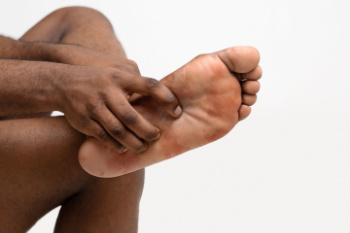
Plantar fasciitis affects the broad band of tissue that connects the heel bone to the toes, known as the plantar fascia. Pain in the heel and arch of the foot is the result of excessive strain, tearing, or wearing out of this ligament. It is often most noticeable when taking the first steps in the morning, or after long periods of rest. Factors such as spending extended time on your feet, having tight calf muscles, high arches or flat feet can increase the risk of developing plantar fasciitis. A podiatrist can assess your symptoms and develop a treatment plan that may include using orthotics and performing specific calf and foot stretches to improve flexibility. In addition, taking smaller steps, avoiding walking barefoot, and reducing high-impact activities like jogging may be suggested. Weight management may also be part of the treatment strategy, as excess weight can increase pain. If you have pain from plantar fasciitis, it is suggested that you schedule an appointment with a podiatrist for treatment.
Plantar fasciitis is a common foot condition that is often caused by a strain injury. If you are experiencing heel pain or symptoms of plantar fasciitis, contact Jed Wells, DPM from Jed Wells, DPM Foot Specialist. Our doctor can provide the care you need to keep you pain-free and on your feet.
What Is Plantar Fasciitis?
Plantar fasciitis is one of the most common causes of heel pain. The plantar fascia is a ligament that connects your heel to the front of your foot. When this ligament becomes inflamed, plantar fasciitis is the result. If you have plantar fasciitis you will have a stabbing pain that usually occurs with your first steps in the morning. As the day progresses and you walk around more, this pain will start to disappear, but it will return after long periods of standing or sitting.
What Causes Plantar Fasciitis?
There are some risk factors that may make you more likely to develop plantar fasciitis compared to others. The condition most commonly affects adults between the ages of 40 and 60. It also tends to affect people who are obese because the extra pounds result in extra stress being placed on the plantar fascia.
Prevention
There are a variety of treatment options available for plantar fasciitis along with the pain that accompanies it. Additionally, physical therapy is a very important component in the treatment process. It is important that you meet with your podiatrist to determine which treatment option is best for you.
If you have any questions, please feel free to contact our offices located in Corpus Christi, and Laredo, TX . We offer the newest diagnostic and treatment technologies for all your foot care needs.
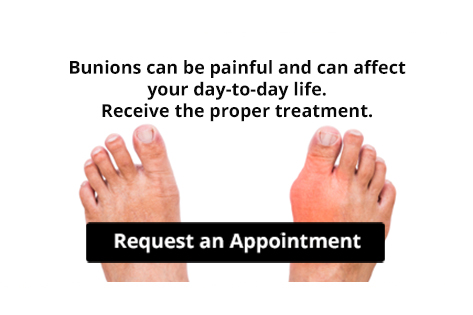
Have you noticed a bony protrusion on the side of your big toe? If so, you may have developed the foot condition known as a bunion. Don't let bunions interfere with your daily activities.
Corns and Calluses are both hardened layers of thickened skin that develop because of friction. Both ailments are typically found on the feet and may be unsightly. Although they have similarities, corns and calluses are different from each other.
Some causes of corns and calluses may be wearing ill-fitting shoes and not wearing socks. If you wear tight shoes, your feet will constantly be forced to rub against the shoes, causing friction. If you fail to wear socks, you are also causing your feet to endure excess friction.
There are some signs that may help you determine whether you have one of these two conditions. The first symptom is a thick, rough area of skin. Another common symptom is a hardened, raised bump on the foot. You may also experience tenderness or pain under the skin in addition to flaky, dry, or waxy skin.
There are also risk factors that may make someone more prone to developing corns and calluses. If you are already dealing with bunions or hammertoe, you may be more vulnerable to having corns and calluses as well. Other risk factors are foot deformities such as bone spurs, which can cause constant rubbing inside the shoe.
Corns tend to be smaller than calluses and they usually have a hard center surrounded by inflamed skin. They also tend to develop on the parts of the body that don’t bear as much weight such as the tops and sides of toes. Corns may also be painful for those who have them. On the other hand, calluses are rarely painful. These tend to develop on the bottom of the feet and may vary in size and shape.
Fortunately, most people only need treatment for corns and calluses if they are experiencing discomfort. At home treatments for corns and calluses should be avoided, because they will likely lead to infection. If you have either of these ailments it is advised that you consult with your podiatrist to determine the best treatment option for you.