Same Day or Next Day Appointments Available
Se Habla Español

Blog

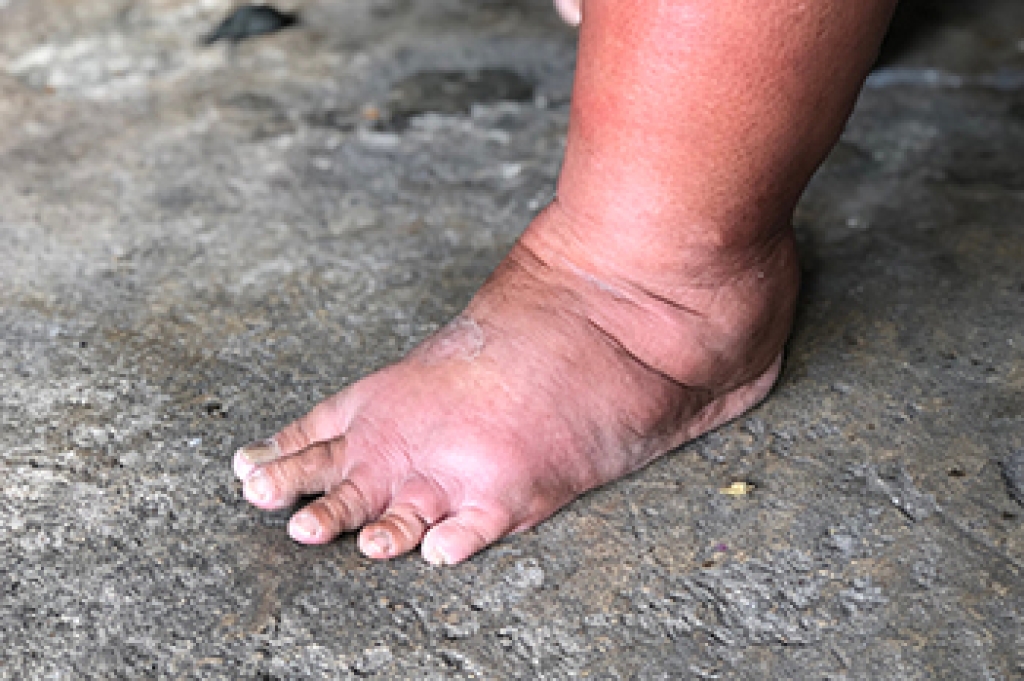
Ankle Swelling Can Indicate Serious Problems

Swollen ankles are often caused by a buildup of fluid in the lower legs, a condition known as edema. This occurs when excess fluid collects in body tissues, leading to visible puffiness that may affect the feet, ankles, and even the calves. While swelling is common in older people, it can also be linked to standing for long periods, long travel, pregnancy, or being overweight. In some cases, ankle swelling may signal more serious problems, including poor vein function, blood clots, or disorders involving the heart, kidneys, or liver. Certain medications can also contribute to swelling. A podiatrist can evaluate the pattern and severity of swelling, examine circulation, and order diagnostic tests to identify the cause. Early diagnosis is important to prevent complications and protect long-term foot and ankle health. If you notice foot or ankle swelling, it is suggested that you make an appointment with a podiatrist for an exam, diagnosis, and treatment.

Swollen feet can be a sign of an underlying condition. If you have any concerns, contact Jed Wells, DPM of Jed Wells, DPM Foot Specialist. Our doctor can provide the care you need to keep you pain-free and on your feet.

Swollen feet are a common ailment among pregnant women and people who stand or sit for extended periods. Aging may increase the possibility of swollen feet and patients who are obese often notice when their feet are swelling too. There may be medical reasons why swollen feet occur:

  • Phlebitis - A condition that causes the veins to become inflamed and can also cause leg pain.
  • Liver disease - This may lead to low blood levels of albumin which is a protein. This can cause fluid in the blood to pass into the tissues and several areas of the body can become swollen.
  • Heart failure - When the heart doesn’t pump properly the blood that is normally pumped back to the heart can pool in the veins of the legs causing swollen feet.
  • Kidney disease - One of the main functions of the kidneys is releasing excess fluid in the body. This type of condition can make it difficult for the kidneys to function properly, and as a result the feet may become swollen.
  • Deep-vein thrombosis (DVT)- This is a serious condition where blood clots form in the veins of the legs. They can block the return of blood from the legs to the heart which may cause the feet to swell. It is important to be treated by a podiatrist if this condition is present.

Swollen feet can also be caused by bone and tendon conditions, including fractures, arthritis, and tendinitis. Additionally, there may be skin and toenail conditions and an infection may cause the feet to swell. Patients who take medicine to treat high blood pressure may be prone to getting swollen feet. 

Many patients elevate their feet to help relieve the swelling and this is generally a temporary remedy. When a podiatrist is consulted the reason behind the swelling can be uncovered and subsequently treated.

If you have any questions please contact our office located in Corpus Christi, TX . We offer the newest diagnostic and treatment technologies for all your foot and ankle needs.


Read more about Swelling of the Feet

Blisters Can Become a Bigger Problem

Blisters on the feet develop when friction, heat, or moisture causes the upper layer of skin to separate and fill with fluid. They are common after long walks, wearing new shoes, or increased physical activity. Although they may seem minor, blisters can become painful and interfere with normal movement. The area often appears raised, clear, and tender to the touch. If the blister breaks, the exposed skin underneath can feel raw and sensitive. In some cases, redness, warmth, or drainage may signal infection. People with diabetes or circulation concerns should be especially cautious, as even small skin injuries can lead to complications. A podiatrist can evaluate the blister to determine whether it should be drained safely, protected with proper dressing, or treated for infection. Treatment may also include guidance on footwear, moisture control, and targeted exercises to reduce friction and pressure. If you have painful or persistent blisters on the feet, it is suggested that you make an appointment with a podiatrist for proper evaluation and care.

Blisters may appear as a single bubble or in a cluster. They can cause a lot of pain and may be filled with pus, blood, or watery serum. If your feet are hurting, contact Jed Wells, DPM of Jed Wells, DPM Foot Specialist. Our doctor can provide the care you need to keep you pain-free and on your feet.

Foot Blisters

Foot blisters are often the result of friction. This happens due to the constant rubbing from shoes, which can lead to pain.

What Are Foot Blisters?

A foot blister is a small fluid-filled pocket that forms on the upper-most layer of the skin. Blisters are filled with clear fluid and can lead to blood drainage or pus if the area becomes infected.

Symptoms

(Blister symptoms may vary depending on what is causing them)

  • Bubble of skin filled with fluid
  • Redness
  • Moderate to severe pain
  • Itching

Prevention & Treatment

In order to prevent blisters, you should be sure to wear comfortable shoes with socks that cushion your feet and absorb sweat. Breaking a blister open may increase your chances of developing an infection. However, if your blister breaks, you should wash the area with soap and water immediately and then apply a bandage to the affected area. If your blisters cause severe pain it is important that you call your podiatrist right away.

If you have any questions, please feel free to contact our office located in Corpus Christi, TX . We offer the newest diagnostic and treatment technologies for all your foot care needs.

Read more about Blisters

Symptoms and Causes of Peripheral Neuropathy

Peripheral neuropathy occurs when nerves outside the brain and spinal cord are damaged, disrupting communication with the feet. Many patients first notice numbness, tingling, burning, or sharp shooting pain that often begins in the toes and gradually spreads upward. Reduced sensation can make it difficult to feel temperature, pressure, or injury, increasing the risk of unnoticed blisters, sores, and balance problems while walking. Diabetes is the most common cause, as long-term elevated blood sugar damages nerve fibers and circulation. Other causes include traumatic injury, poor blood flow, infections, autoimmune disorders, vitamin deficiencies, kidney or liver disease, toxin exposure, and certain cancers. A podiatrist can perform neurological and vascular testing, evaluate skin integrity, manage pressure areas, and provide medical care to help prevent infection and tissue breakdown. If you have foot problems associated with peripheral neuropathy, it is suggested that you make an appointment with a podiatrist for an exam, diagnosis, and ongoing treatment.

Neuropathy

Neuropathy can be a potentially serious condition, especially if it is left undiagnosed. If you have any concerns that you may be experiencing nerve loss in your feet, consult with Jed Wells, DPM from Jed Wells, DPM Foot Specialist. Our doctor will assess your condition and provide you with quality foot and ankle treatment for neuropathy.

What Is Neuropathy?

Neuropathy is a condition that leads to damage to the nerves in the body. Peripheral neuropathy, or neuropathy that affects your peripheral nervous system, usually occurs in the feet. Neuropathy can be triggered by a number of different causes. Such causes include diabetes, infections, cancers, disorders, and toxic substances.

Symptoms of Neuropathy Include:

  • Numbness
  • Sensation loss
  • Prickling and tingling sensations
  • Throbbing, freezing, burning pains
  • Muscle weakness

Those with diabetes are at serious risk due to being unable to feel an ulcer on their feet. Diabetics usually also suffer from poor blood circulation. This can lead to the wound not healing, infections occurring, and the limb may have to be amputated.

Treatment

To treat neuropathy in the foot, podiatrists will first diagnose the cause of the neuropathy. Figuring out the underlying cause of the neuropathy will allow the podiatrist to prescribe the best treatment, whether it be caused by diabetes, toxic substance exposure, infection, etc. If the nerve has not died, then it’s possible that sensation may be able to return to the foot.

Pain medication may be issued for pain. Electrical nerve stimulation can be used to stimulate nerves. If the neuropathy is caused from pressure on the nerves, then surgery may be necessary.

If you have any questions, please feel free to contact our office located in Corpus Christi, TX . We offer the newest diagnostic and treatment technologies for all your foot care needs.

Read more about Neuropathy

How Climate and Humidity Can Influence Lower Limb Arthritis

Arthritis in the ankles and feet often feels more noticeable when weather conditions change. Many people report increased stiffness and aching during cold or damp periods. Higher humidity may contribute to joint swelling by affecting how tissues respond to pressure, while cooler temperatures can reduce circulation and increase muscle tightness around joints. Warmer climates with steady temperatures are often better tolerated because joints stay more flexible and muscles relax more easily. Dry air may also reduce the sensation of heaviness or swelling in the lower limbs. That said, climate alone does not cause arthritis, and individual responses vary widely. Wearing supportive footwear, regular movement, and proper medical care remain important regardless of location. If lower foot or ankle pain worsens with weather changes or limits daily activity, it is suggested that you see a podiatrist for a proper diagnosis and appropriate treatment.

Arthritis can be a difficult condition to live with. If you are seeking treatment, contact Jed Wells, DPM from Jed Wells, DPM Foot Specialist. Our doctor can provide the care you need to keep you pain-free and on your feet.

Arthritic Foot Care  

Arthritis is a joint disorder that involves the inflammation of different joints in your body, such as those in your feet. Arthritis is often caused by a degenerative joint disease and causes mild to severe pain in all affected areas. In addition to this, swelling and stiffness in the affected joints can also be a common symptom of arthritis.

In many cases, wearing ill-fitting shoes can worsen the effects and pain of arthritis. Wearing shoes that have a lower heel and extra room can help your feet feel more comfortable. In cases of rheumatoid arthritis, the arch in your foot may become problematic. Buying shoes with proper arch support that contour to your feet can help immensely.

Alleviating Arthritic Pain

  • Exercises that stretch the foot can prevent further pain and injury and increase mobility
  • Most of the pain can be alleviated with anti-inflammatory drugs, heat, and topical medications
  • Massages can help temporarily alleviate pain.

It is best to see your doctor for the treatment that is right for your needs and symptoms. Conditions vary, and a podiatrist can help you determine the right method of care for your feet.

If you have any questions please feel free to contact our office located in Corpus Christi, TX . We offer the newest diagnostic tools and technology to treat your foot and ankle needs.

Read more about How to Care for Your Arthritic Foot

Wounds That Don't Heal Need to Be Checked

Your feet are covered most of the day. If you're diabetic, periodic screening is important for good health. Numbness is often a sign of diabetic foot and can mask a sore or wound.

Connect with us