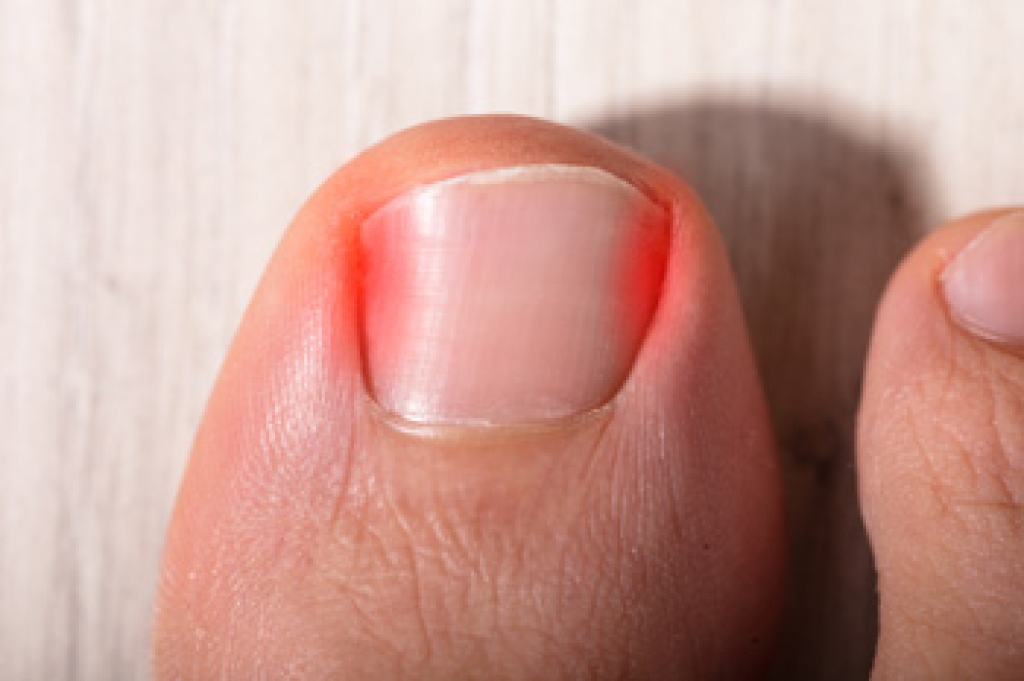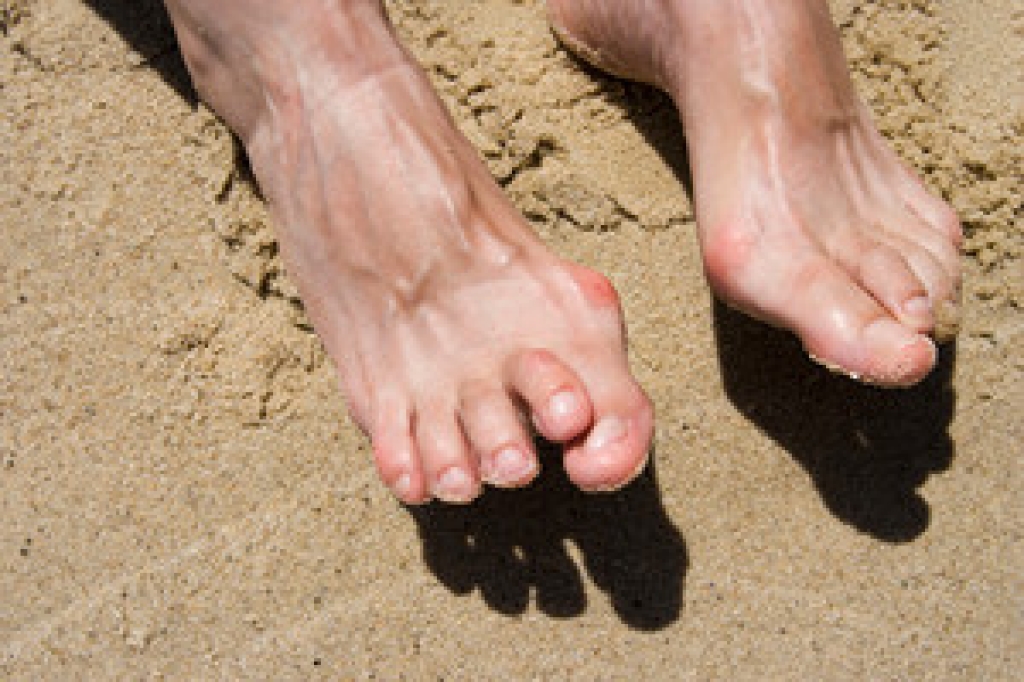
A hammertoe is a deformity that causes one of the smaller toes to bend downward at the middle joint, creating a curled appearance. This condition develops when muscle imbalance places excessive pressure on the toe, often due to wearing tight footwear, foot structure issues, or arthritis. Over time, the toe may become stiff, painful, and difficult to straighten. Symptoms include swelling, redness, corns, calluses, and discomfort while walking. Wearing shoes with sufficient width, a flexible upper, and good cushioning can reduce pressure and improve comfort. Proper fit is essential to prevent worsening of the deformity. If you have symptoms of a hammertoe, it is suggested that you consult a podiatrist who can guide you toward effective relief and management tips.
Hammertoe
Hammertoes can be a painful condition to live with. For more information, contact Jed Wells, DPM from Jed Wells, DPM Foot Specialist. Our doctor will answer any of your foot- and ankle-related questions.
Hammertoe is a foot deformity that affects the joints of the second, third, fourth, or fifth toes of your feet. It is a painful foot condition in which these toes curl and arch up, which can often lead to pain when wearing footwear.
Symptoms
- Pain in the affected toes
- Development of corns or calluses due to friction
- Inflammation
- Redness
- Contracture of the toes
Causes
Genetics – People who are genetically predisposed to hammertoe are often more susceptible
Arthritis – Because arthritis affects the joints in your toes, further deformities stemming from arthritis can occur
Trauma – Direct trauma to the toes could potentially lead to hammertoe
Ill-fitting shoes – Undue pressure on the front of the toes from ill-fitting shoes can potentially lead to the development of hammertoe
Treatment
Orthotics – Custom made inserts can be used to help relieve pressure placed on the toes and therefore relieve some of the pain associated with it
Medications – Oral medications such as anti-inflammatories or NSAIDs could be used to treat the pain and inflammation hammertoes causes. Injections of corticosteroids are also sometimes used
Surgery – In more severe cases where the hammertoes have become more rigid, foot surgery is a potential option
If you have any questions, please feel free to contact our office located in Corpus Christi, TX . We offer the newest diagnostic and treatment technologies for all your foot care needs.