Same Day or Next Day Appointments Available
Se Habla Español

Blog

Foot and Ankle Injuries in Athletes

Sports-related foot and ankle injuries can interrupt training, limit performance, and make everyday movement uncomfortable. Running, jumping, and sudden changes in direction place repeated stress on the feet and ankles, increasing the risk of injury. Common problems include ankle sprains, stress fractures, tendon injuries, and heel pain. Tendons are strong bands of tissue that connect muscles to bones. Symptoms include pain, swelling, bruising, and stiffness. Difficulty putting weight on the affected foot or ankle is another sign. Some injuries develop suddenly after a fall or awkward landing, while others result from repeated stress that gradually damages bones or soft tissues. Early evaluation helps identify the source of pain before the injury becomes more serious.

A podiatrist carefully evaluates foot structure, ankle stability, and walking pattern to determine what is contributing to the injury. The examination also identifies areas of tenderness and movement problems that increase stress on the feet during sports and other activities. Treatment includes custom orthotics, footwear recommendations, and care tailored to the specific injury. A podiatrist can also recommend exercises that improve flexibility, strength, and balance to support recovery and help reduce the risk of future injuries. Regular evaluations help monitor healing and guide a safe return to athletic activities. Improving foot mechanics can also reduce unnecessary strain on the joints and supporting tissues while walking and running.

Ignoring a sports-related foot or ankle injury can lead to ongoing pain, reduced performance, and a greater chance of repeated injuries. Returning to sports too quickly can increase stress on healing tissues and delay recovery. Wearing shoes that provide proper support and addressing movement problems can help protect the feet and ankles during physical activity. Early podiatry care improves foot function, supports healthy movement, and helps patients return to their favorite activities with greater confidence. If you have sustained a sports-related foot and ankle injury, it is suggested that you schedule an appointment with a podiatrist for diagnosis and treatment.

Sports related foot and ankle injuries require proper treatment before players can go back to their regular routines. For more information, contact Jed Wells, DPM of Jed Wells, DPM Foot Specialist. Our doctor can provide the care you need to keep you pain-free and on your feet.

Sports Related Foot and Ankle Injuries

Foot and ankle injuries are a common occurrence when it comes to athletes of any sport. While many athletes dismiss the initial aches and pains, the truth is that ignoring potential foot and ankle injuries can lead to serious problems. As athletes continue to place pressure and strain the area further, a mild injury can turn into something as serious as a rupture and may lead to a permanent disability. There are many factors that contribute to sports related foot and ankle injuries, which include failure to warm up properly, not providing support or wearing bad footwear. Common injuries and conditions athletes face, including:

  • Plantar Fasciitis
  • Achilles Tendinitis
  • Achilles Tendon Rupture
  • Ankle Sprains

Sports related injuries are commonly treated using the RICE method. This includes rest, applying ice to the injured area, compression and elevating the ankle. More serious sprains and injuries may require surgery, which could include arthroscopic and reconstructive surgery. Rehabilitation and therapy may also be required in order to get any recovering athlete to become fully functional again. Any unusual aches and pains an athlete sustains must be evaluated by a licensed, reputable medical professional.

If you have any questions please contact our office located in Corpus Christi, TX . We offer the newest diagnostic and treatment technologies for all your foot and ankle needs.


Read more about Sports Related Foot And Ankle Injuries

Unexplained Ankle Pain

Unexplained ankle pain that develops without injury is often linked to internal conditions rather than external trauma. This type of pain may appear suddenly and interfere with daily activities, such as walking or standing. It is commonly associated with arthritis, autoimmune diseases, and biomechanical imbalances in the feet. These conditions can affect the ankle joint over time, even without a noticeable event. Recognizing the possible causes helps patients seek timely care and prevent further complications.

Symptoms depend on the condition affecting the ankle. Arthritis typically is noticeable with joint stiffness, swelling, and a gradual loss of flexibility. Autoimmune-related ankle pain may include redness, warmth, and ongoing inflammation that does not improve with rest. Foot alignment problems can lead to uneven weight distribution, causing pain during movement and a feeling of weakness in the ankle. Some individuals also report tenderness, mild swelling, or difficulty bearing weight. These signs should not be ignored, especially if they persist.

Risk factors include age-related joint changes, a history of autoimmune disease, and structural foot abnormalities. Individuals with flat feet or high arches are more likely to develop alignment issues that stress the ankle joint. Previous injuries can also increase vulnerability, even if symptoms were absent for years. The underlying causes often involve inflammation, cartilage breakdown, or improper joint mechanics. These factors can gradually lead to pain that appears without a clear trigger.

Managing unexplained ankle pain involves supportive care and medical evaluation. Wearing properly fitted shoes can improve stability and reduce strain on the joint. Maintaining joint flexibility and strength may also help prevent worsening symptoms. Early diagnosis allows for targeted treatment that may include orthotics or other therapies. If you have sudden ankle pain without injury, it is suggested that you visit a podiatrist for a thorough evaluation and appropriate treatment plan.

Ankle pain can have many different causes and the pain may potentially be serious. If you have ankle pain, consult with Jed Wells, DPM from Jed Wells, DPM Foot Specialist. Our doctor will assess your condition and provide you with quality foot and ankle treatment.

Ankle pain is any condition that causes pain in the ankle. Due to the fact that the ankle consists of tendons, muscles, bones, and ligaments, ankle pain can come from a number of different conditions.

Causes

The most common causes of ankle pain include:

  • Types of arthritis (rheumatoid, osteoarthritis, and gout)
  • Ankle sprains
  • Broken ankles
  • Achilles tendinitis
  • Achilles tendon rupture
  • Stress fractures
  • Tarsal tunnel syndrome
  • Plantar fasciitis

Symptoms

Symptoms of ankle injury vary based upon the condition. Pain may include general pain and discomfort, swelling, aching, redness, bruising, burning or stabbing sensations, and/or loss of sensation.

Diagnosis

Due to the wide variety of potential causes of ankle pain, podiatrists will utilize a number of different methods to properly diagnose ankle pain. This can include asking for personal and family medical histories and of any recent injuries. Further diagnosis may include sensation tests, a physical examination, and potentially x-rays or other imaging tests.

Treatment

Just as the range of causes varies widely, so do treatments. Some more common treatments are rest, ice packs, keeping pressure off the foot, orthotics and braces, medication for inflammation and pain, and surgery.

If you have any questions please feel free to contact our office located in Corpus Christi, TX . We offer the newest diagnostic tools and technology to treat your foot and ankle needs.

Read more about Ankle Pain

Heel Pain Can Be Treated!

Do you suffer from heel pain when you get up in the morning? If so, you should seek professional help and have a proper diagnosis performed. Heel pain can be caused by several different foot-related conditions.

Causes and Treatment of Corns on the Feet

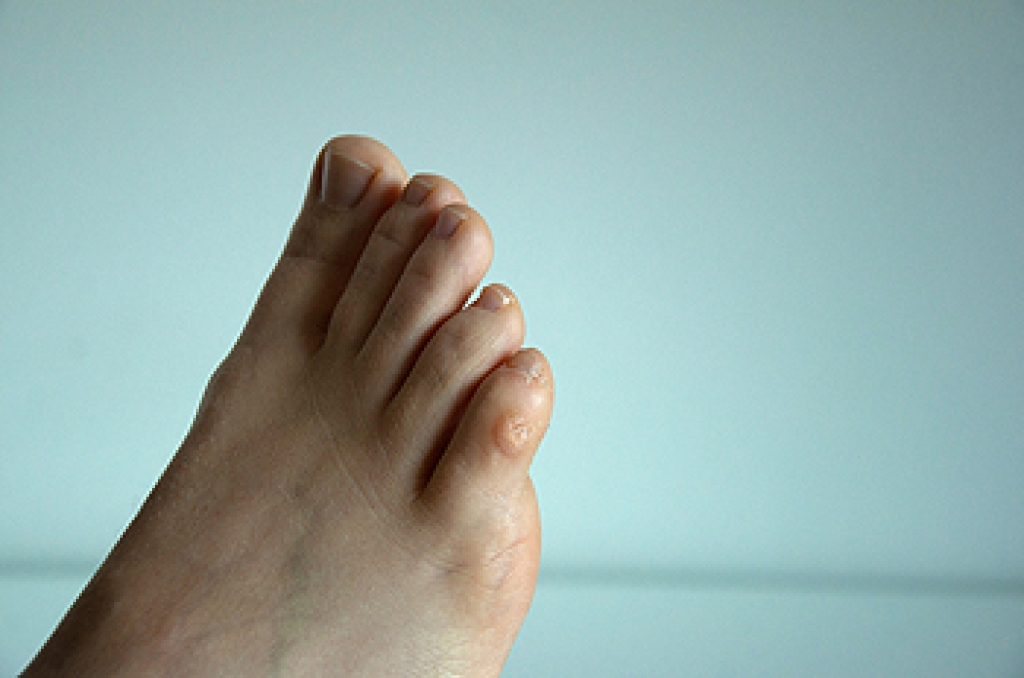
Corns are small, thick areas of skin that develop when repeated pressure or rubbing affects the same spot on the foot. A corn forms a more defined, round shape, often appearing on the top or sides of the toes. It has a hardened core that causes pain. A corn can also develop on the bottom of the foot. Pain can become noticeable while walking or when shoes press against the affected area. Shoes that do not fit correctly are a leading cause. High-heeled shoes can squeeze the toes and increase pressure. Foot structure also plays a role. Bunions, hammertoes, and other changes in foot shape create areas where skin thickens to protect itself from constant friction.

Instead of simply treating the thickened skin, a podiatrist can examine the foot to find the reason the corn developed. This helps identify pressure points and any foot problem causing repeated irritation. Corns usually return when the source of pressure remains. During treatment, a podiatrist can safely remove the thickened skin with specialized instruments. This reduces pain and improves comfort while walking. A podiatrist may also recommend custom orthotics when they are appropriate. These shoe inserts help spread pressure more evenly across the foot. Advice about shoes that fit correctly is another important part of treatment, because proper fit reduces rubbing and helps prevent new corns.

Ignoring a painful corn can change the way you walk, placing extra stress on other parts of the foot and ankle. Continued pressure can also increase discomfort and make daily activities more difficult. Patients with diabetes or poor circulation should never ignore a corn, because even minor skin problems deserve prompt attention. Early diagnosis allows a podiatrist to treat the corn and address the underlying cause before more serious problems develop. If you have foot pain from corns, it is suggested that you schedule an appointment with a podiatrist for effective relief and treatment solutions.

Corns can make walking very painful and should be treated immediately. If you have questions regarding your feet and ankles, contact Jed Wells, DPM of Jed Wells, DPM Foot Specialist. Our doctor will treat your foot and ankle needs.

Corns: What Are They? And How Do You Get Rid of Them?
Corns are thickened areas on the skin that can become painful. They are caused by excessive pressure and friction on the skin. Corns press into the deeper layers of the skin and are usually round in shape.

Ways to Prevent Corns
There are many ways to get rid of painful corns such as:

  • Wearing properly fitting shoes that have been measured by a professional
  • Wearing shoes that are not sharply pointed or have high heels
  • Wearing only shoes that offer support

Treating Corns

Although most corns slowly disappear when the friction or pressure stops, this isn’t always the case. Consult with your podiatrist to determine the best treatment option for your case of corns.

If you have any questions, please feel free to contact our office located in Corpus Christi, TX . We offer the newest diagnostic and treatment technologies for all your foot care needs.

Read more about Corns and Calluses

How High Heels Affect Foot Health

High heels are a popular footwear choice, but wearing them frequently can place added stress on the feet and ankles. As heel height increases, more body weight shifts toward the front of the foot, increasing pressure on the toes and the ball of the foot. This change in weight distribution may contribute to foot pain and affect the way a person walks. High heels may also place extra strain on the ankles, calves, and lower legs. Some individuals develop problems gradually, while others notice discomfort after only a short period of wear. Because repeated stress can affect the joints and soft tissues of the feet, persistent symptoms should be professionally evaluated. Early podiatry care may help identify developing problems before they interfere with everyday activities.


The effects of high heels vary from person to person. Many people experience aching, burning, or tenderness in the front of the foot after standing or walking. Others develop bunions, hammertoes, or calluses because of increased pressure on the toes. Wearing high heels for extended periods may also contribute to ankle instability and reduced balance. As these changes continue, normal movement can become less comfortable and everyday activities may become more difficult. Ongoing foot pain should not be ignored because untreated problems may worsen. Identifying the source of discomfort early can help protect foot health and support long-term mobility.


A podiatrist specializes in diagnosing and treating foot problems related to footwear and abnormal pressure on the feet. During an examination, the podiatrist evaluates foot structure, walking mechanics, and any symptoms affecting comfort or mobility. Treatment is individualized to reduce pain, improve foot function, and address conditions linked to wearing high heels. Early podiatry care may also help prevent additional stress on the feet and support healthier movement. If you are experiencing foot pain, toe discomfort, or difficulty walking after wearing high heels, it is suggested that you consult a podiatrist for an evaluation and appropriate treatment options.

High heels have a history of causing foot and ankle problems. If you have any concerns about your feet or ankles, contact Jed Wells, DPM from Jed Wells, DPM Foot Specialist. Our doctor can provide the care you need to keep you pain-free and on your feet.

Effects of High Heels on the Feet

High heels are popular shoes among women because of their many styles and societal appeal.  Despite this, high heels can still cause many health problems if worn too frequently.

Which Parts of My Body Will Be Affected by High Heels?

  • Ankle Joints
  • Achilles Tendon – May shorten and stiffen with prolonged wear
  • Balls of the Feet
  • Knees – Heels cause the knees to bend constantly, creating stress on them
  • Back – They decrease the spine’s ability to absorb shock, which may lead to back pain.  The vertebrae of the lower back may compress.

What Kinds of Foot Problems Can Develop from Wearing High Heels?

  • Corns
  • Calluses
  • Hammertoe
  • Bunions
  • Morton’s Neuroma
  • Plantar Fasciitis

How Can I Still Wear High Heels and Maintain Foot Health?

If you want to wear high heeled shoes, make sure that you are not wearing them every day, as this will help prevent long term physical problems.  Try wearing thicker heels as opposed to stilettos to distribute weight more evenly across the feet.  Always make sure you are wearing the proper shoes for the right occasion, such as sneakers for exercising.  If you walk to work, try carrying your heels with you and changing into them once you arrive at work.  Adding inserts to your heels can help cushion your feet and absorb shock. Full foot inserts or metatarsal pads are available. 

If you have any questions, please feel free to contact our office located in Corpus Christi, TX . We offer the newest diagnostic and treatment technologies for all your foot care needs.

Read more about Effect of High Heels on the Feet
Connect with us